
Matcha has rapidly become a global obsession from lattes and smoothies to skincare and supplements. But as demand has grown, so has the confusion, and misinformation. At AVANTCHA, we believe in transparency, quality, and education. Here’s what every buyer should know about how Matcha is often falsely marketed and what truly sets ceremonial-grade Matcha apart.
1. There Is No Official Grading System
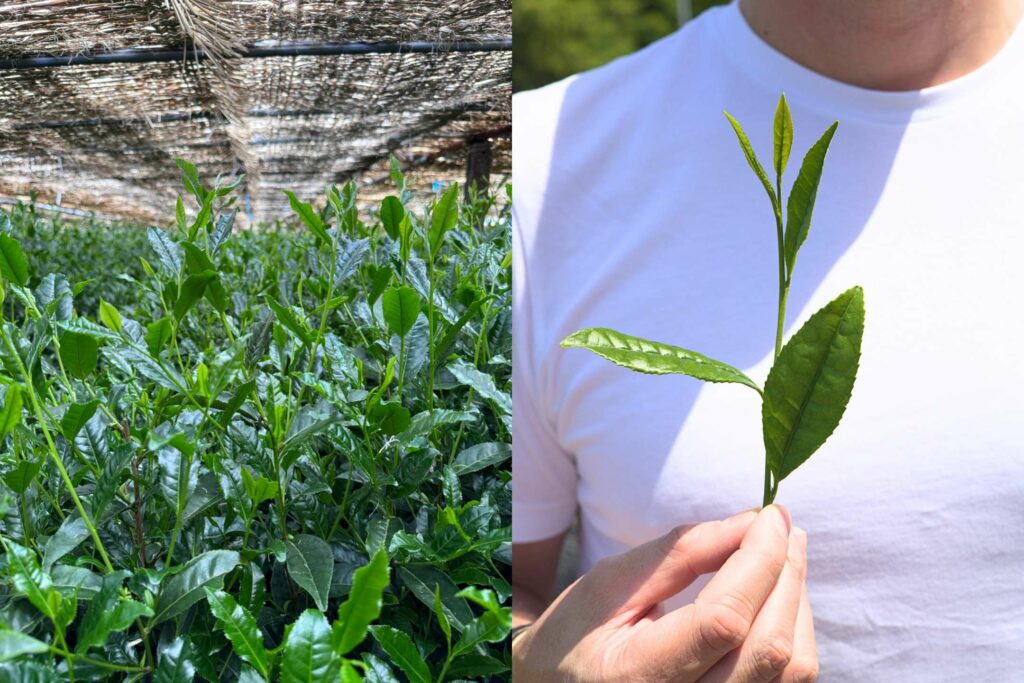
Let’s start with a simple truth: there is no internationally recognised grading system for Matcha. Terms like “ceremonial grade” or “premium grade” are not regulated, which means any brand can apply them regardless of actual quality.
This opens the door for misleading labelling and inconsistent product experiences. As a buyer, it’s important to look past marketing language and understand what truly defines quality.

2. If It’s Organic, Show the Proof
Organic certification is meaningful but only when it’s verified. If a Matcha is labelled as organic, brands should be able to show certification proof, ideally from a recognised body in Japan or the EU, or both.
Organic Matcha tends to be harder to produce at high quality, especially when paired with traditional farming techniques, so don’t be afraid to ask for documentation.
Download AVANTCHA Sustainability Report 2025 >
3. Handplucked Matcha Should Be Reflected in Price
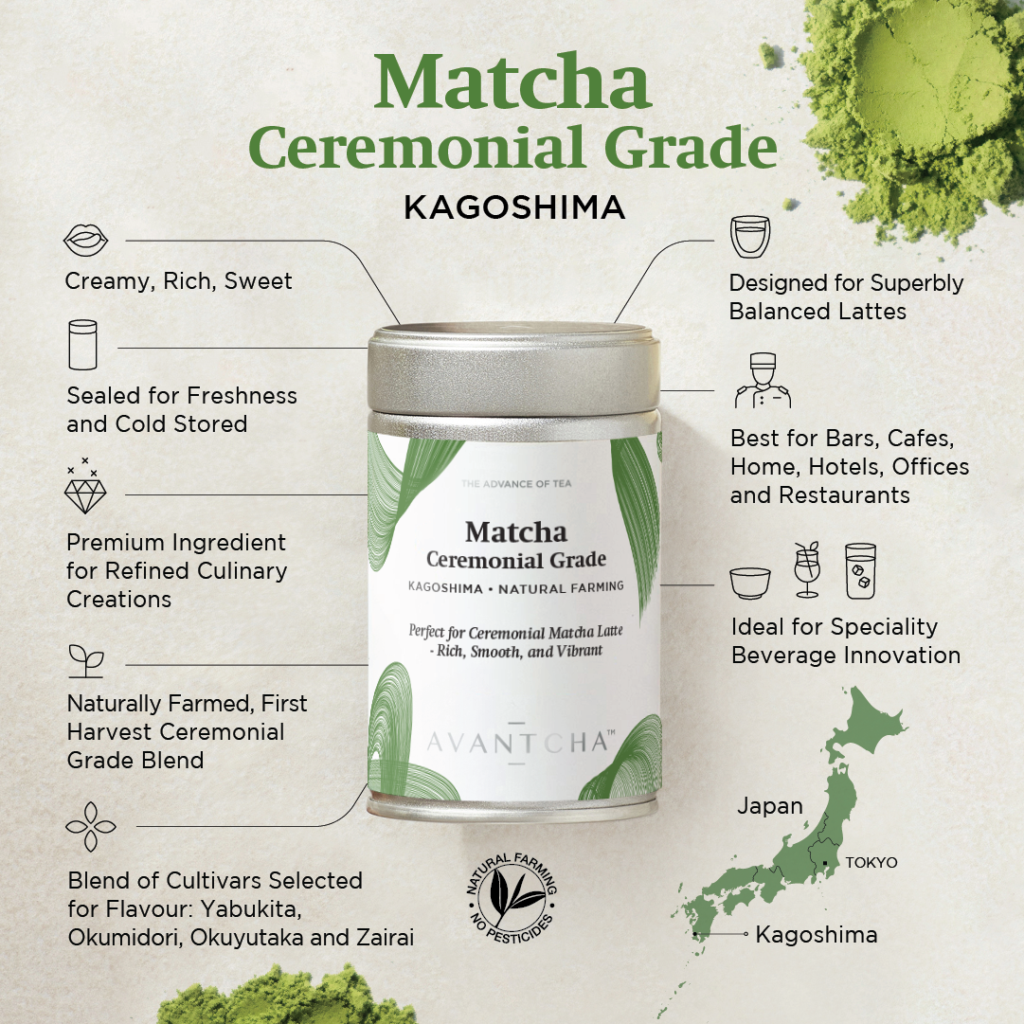
Handplucking tea leaves is a labour-intensive, highly skilled process. If a brand claims its Matcha is handplucked, this should be reflected in both the flavour complexity and the price point.
You’re paying for precision: a group of skilled pickers selecting only the youngest, most tender leaves, and avoiding stems and veins from dawn and until dusk. That care translates directly into taste that is superbly sweet, umami-rich, and smooth.
Our Matcha Ceremonial Grade Uji Samidori Hand Plucked is 240% more expensive than our Matcha Ceremonial Grade Yame Yabukita, for example. Hand plucking is incredibly rare in Japan these days making this kind of Matcha an experience to savour, rather than something to use as an ingredient – you can read more about it in our ‘Looking for ‘True’ Matcha in Uji Japan’.
4. What Actually Constitutes ‘Ceremonial’ Grade?
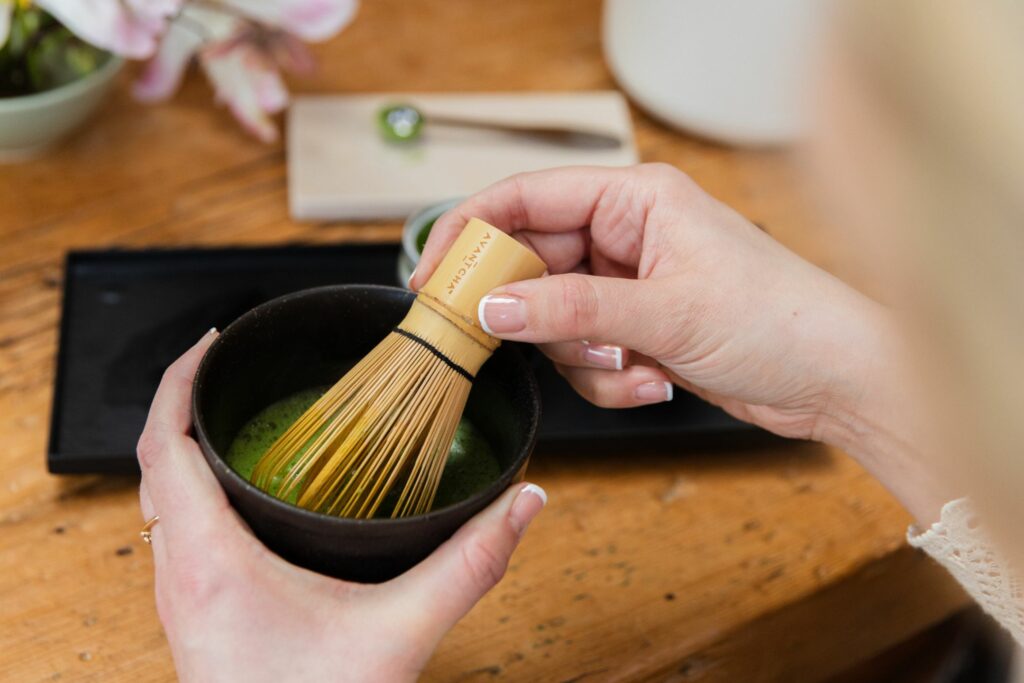
Since the term “ceremonial” isn’t officially regulated, here’s what we at AVANTCHA believe it must mean, based on authentic Japanese tea-growing and production methods and principles.
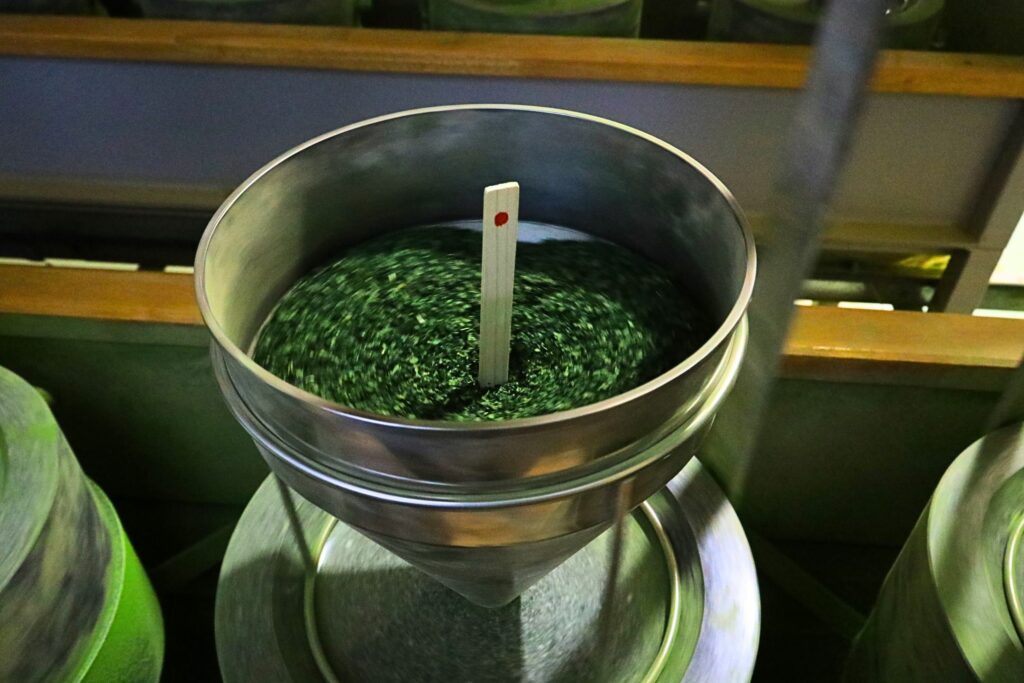
Stone Milled: Proper Matcha should be ground slowly in traditional granite mills. This protects the delicate amino acids and ensures a fine, silky texture.
A traditional stone matcha mill (called a chausu in Japanese) is a very slow and precise tool, designed to produce high-quality, ultra-fine matcha powder from tencha (dried, deveined green tea leaves). It takes just one mill an hour to grind just 30-40 grams (that’s around 2 minutes per gram). That’s an incredibly slow process, so FMCG brands that claim their matcha is stone-milled are either flirting with the truth, or invest a huge amount of money and time into a stone-milling operation – surely this would then be reflected in their prices? The math is plain to see if you know what to look out for.
First Harvest Only: The highest quality Matcha is produced from the first flush of the season, typically in April to May. These leaves contain more L-theanine and chlorophyll, giving Matcha its trademark umami and vivid green colour.
Flavour Profile: Ceremonial Matcha should have:
- Great umami
- Balanced sweetness
- Vegetal complexity
Anything less than that and it’s not truly ceremonial.
5. The Cost of Cutting Corners
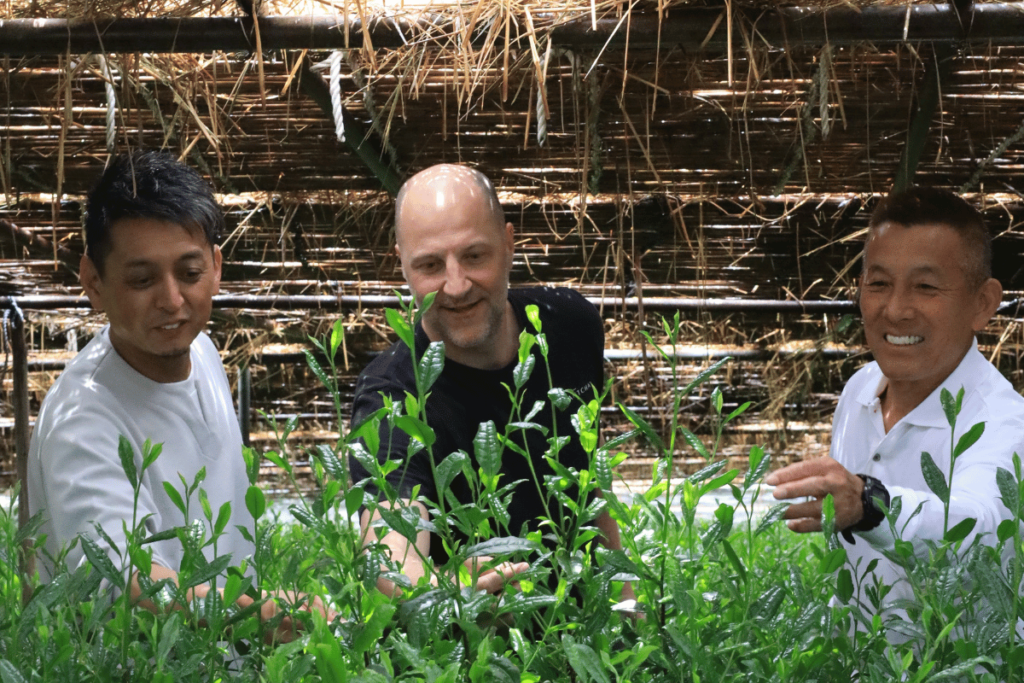
Matcha that is not properly shade-grown, or poorly stored loses its colour, freshness, and flavour rapidly. Often, it ends up dull, bitter, and oxidised and is unsuitable for drinks or proper culinary use.
That’s why AVANTCHA sources only from experienced, small-scale producers in Japan who follow strict cultivation methods. We handle Matcha with the care it deserves from farm to airtight tin because we know that quality cannot be faked.
Even good Matcha can go bad if it’s stored poorly. Without protection from air, heat, and light, freshness is lost, and so is the customer. Find about more about the Top Four Matcha Mistakes the industry is making without even realising it here >
In Summary
If a Matcha brand is serious about quality, they’ll be happy to prove it. Look for:
- Verified harvest and origin
- Organic certifications (when claimed)
- First-harvest, stone-milled production
- Transparent pricing and education
At AVANTCHA, we’re not just selling Matcha. We’re safeguarding its heritage. And we invite you to taste the difference for yourself.
Request a business sample now >

.png?w=1024&h=683)
 All Rights Reserved. © AVANTCHA 2026