
Organic Tea: Beyond the Label
Organic tea is often presented as a simple choice. Better for the body, better for the environment, better for the future.
In reality, it is far less straightforward.
In tea, “organic” can signal careful farming and respect for the land. It can also reflect certification systems shaped by cost, scale and regulation. Some of the most exceptional teas in the world are certified organic. Others are not, despite being grown without synthetic intervention.
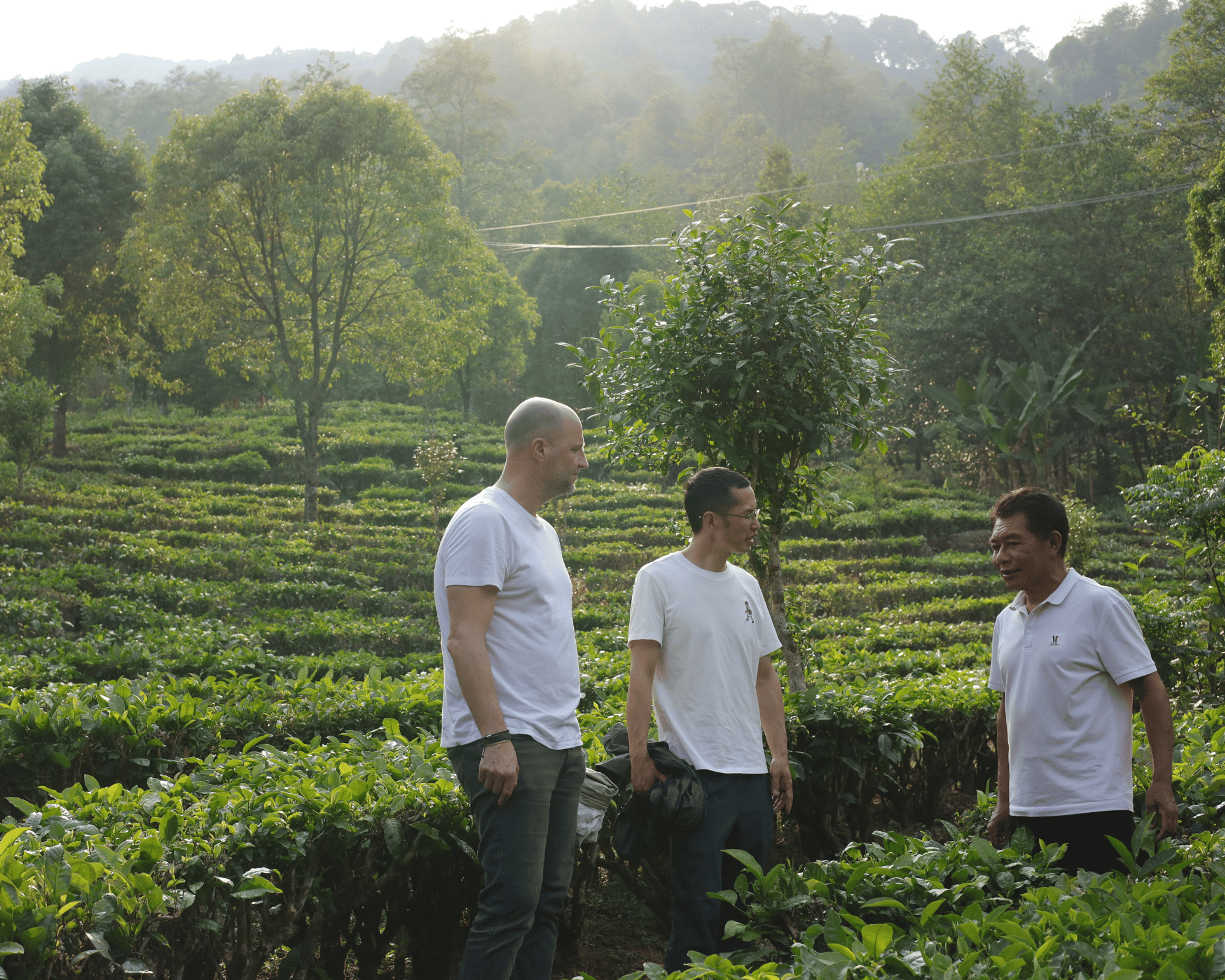
To understand what organic means in tea, it helps to look beyond the label. At how tea is grown, how it is processed, and how decisions are made at origin.
What Organic Means in Tea
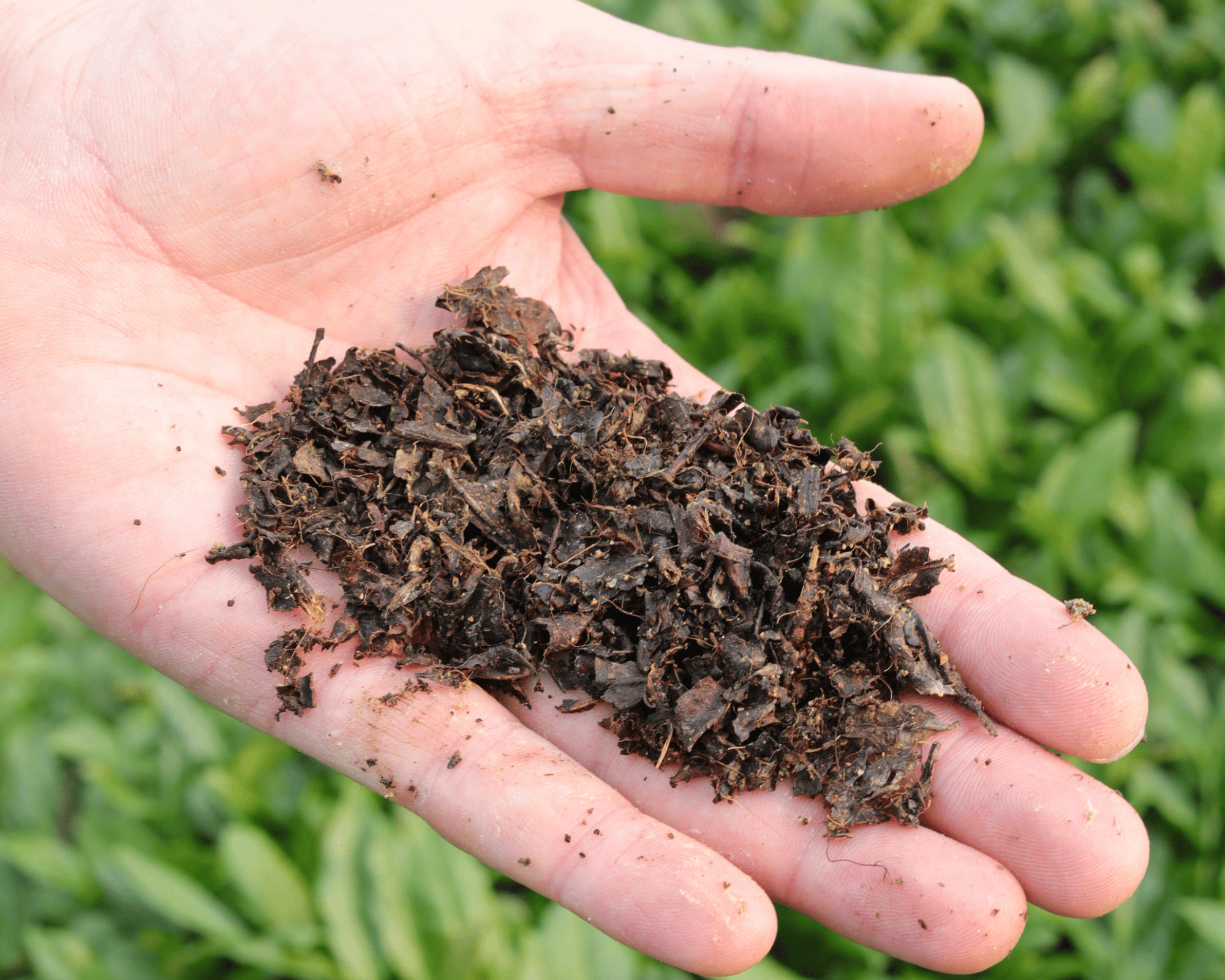
At its core, organic tea is produced without the use of synthetic pesticides, herbicides or chemical fertilisers. Instead, farmers rely on natural systems to maintain soil health and manage pests, often through composting, biodiversity and careful land management.
This approach supports long-term soil vitality and reduces chemical runoff. It also changes the way tea is grown.
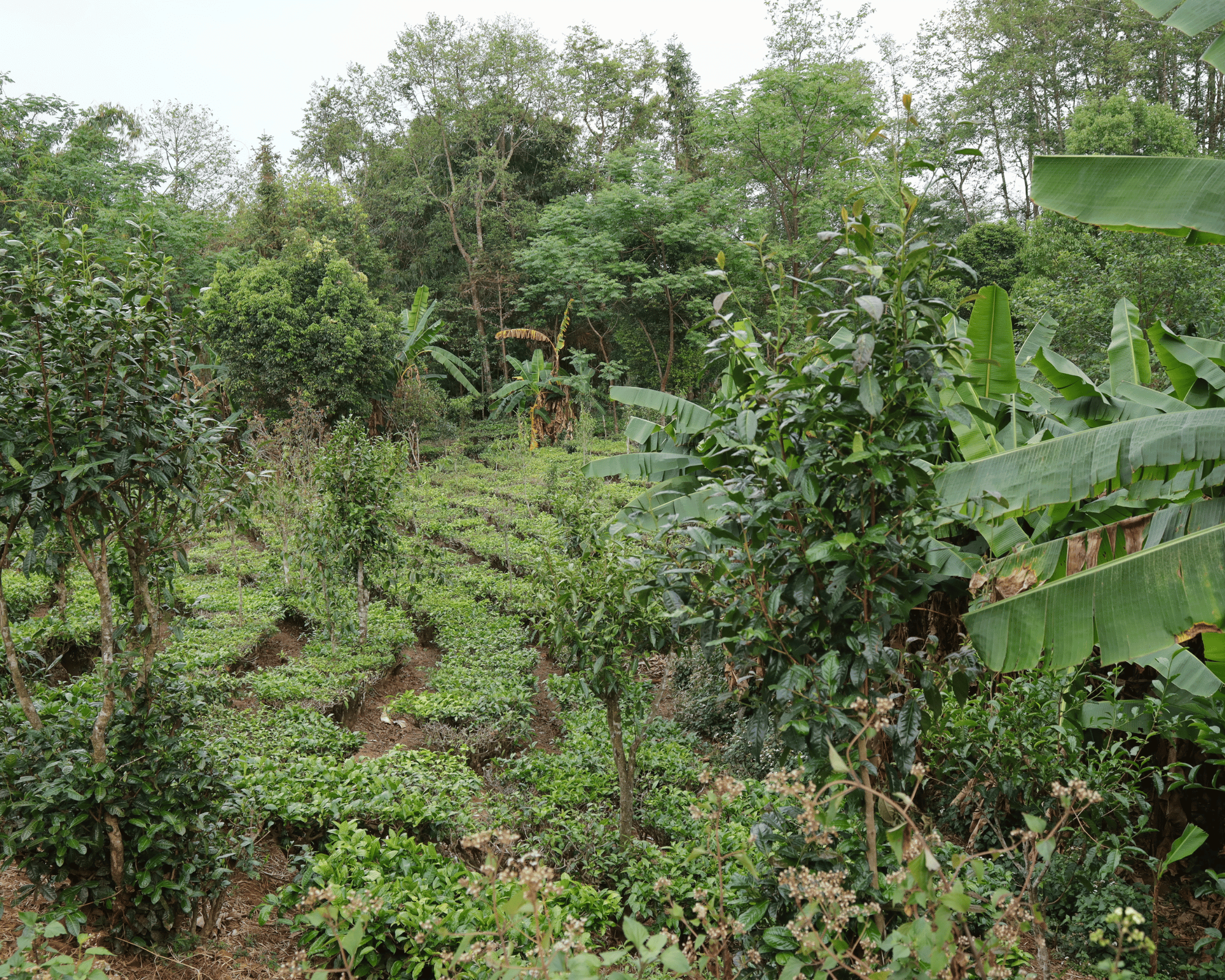
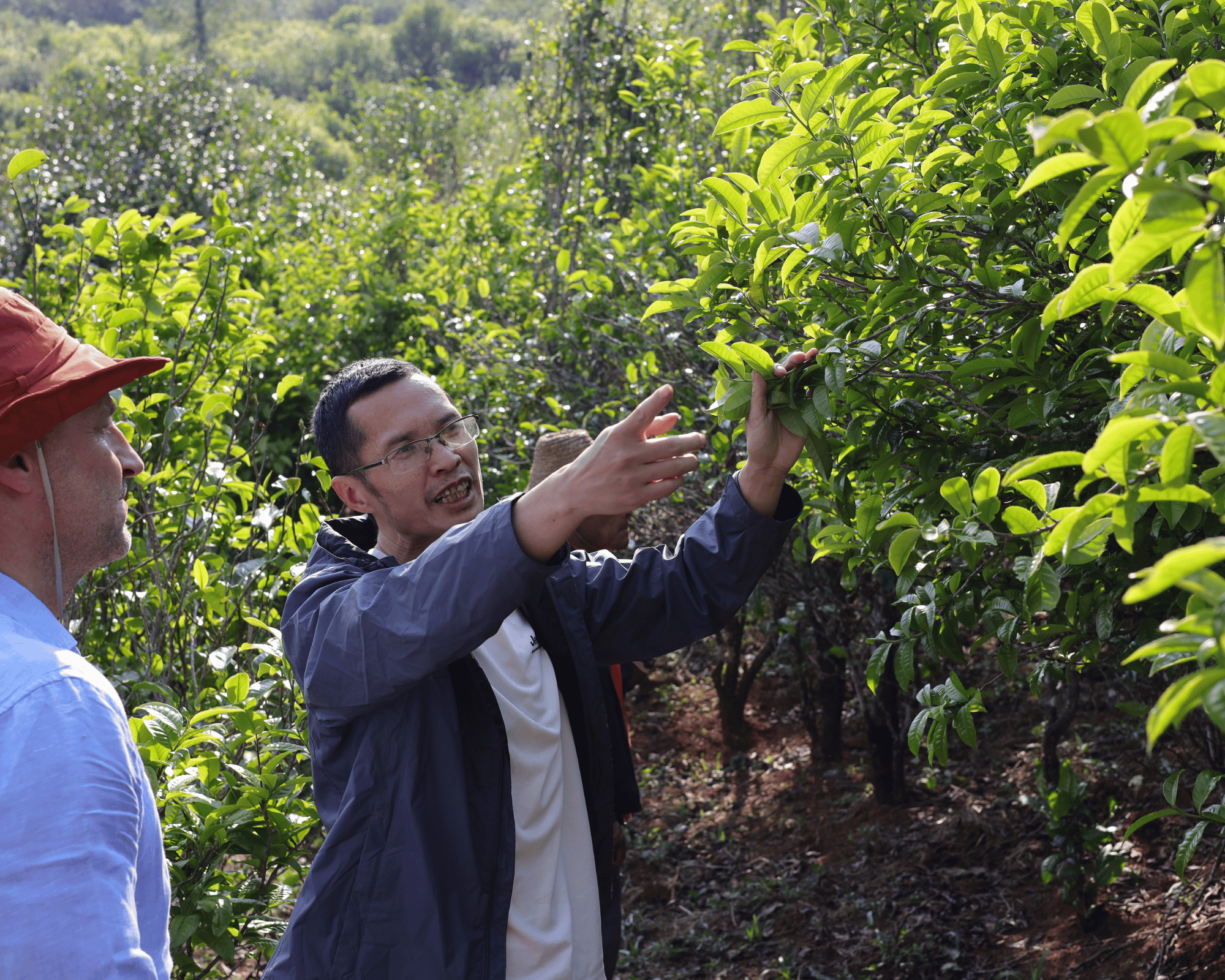
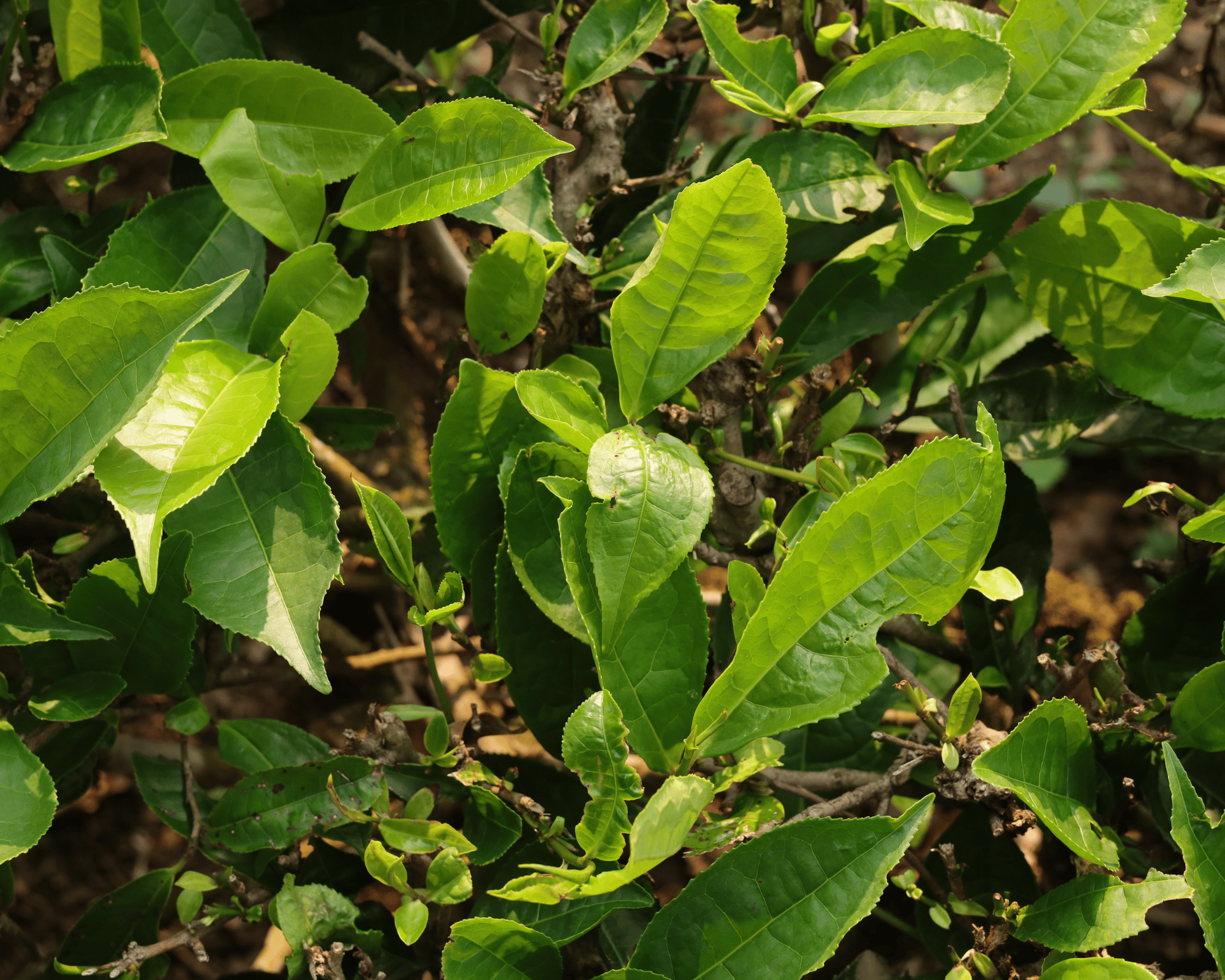
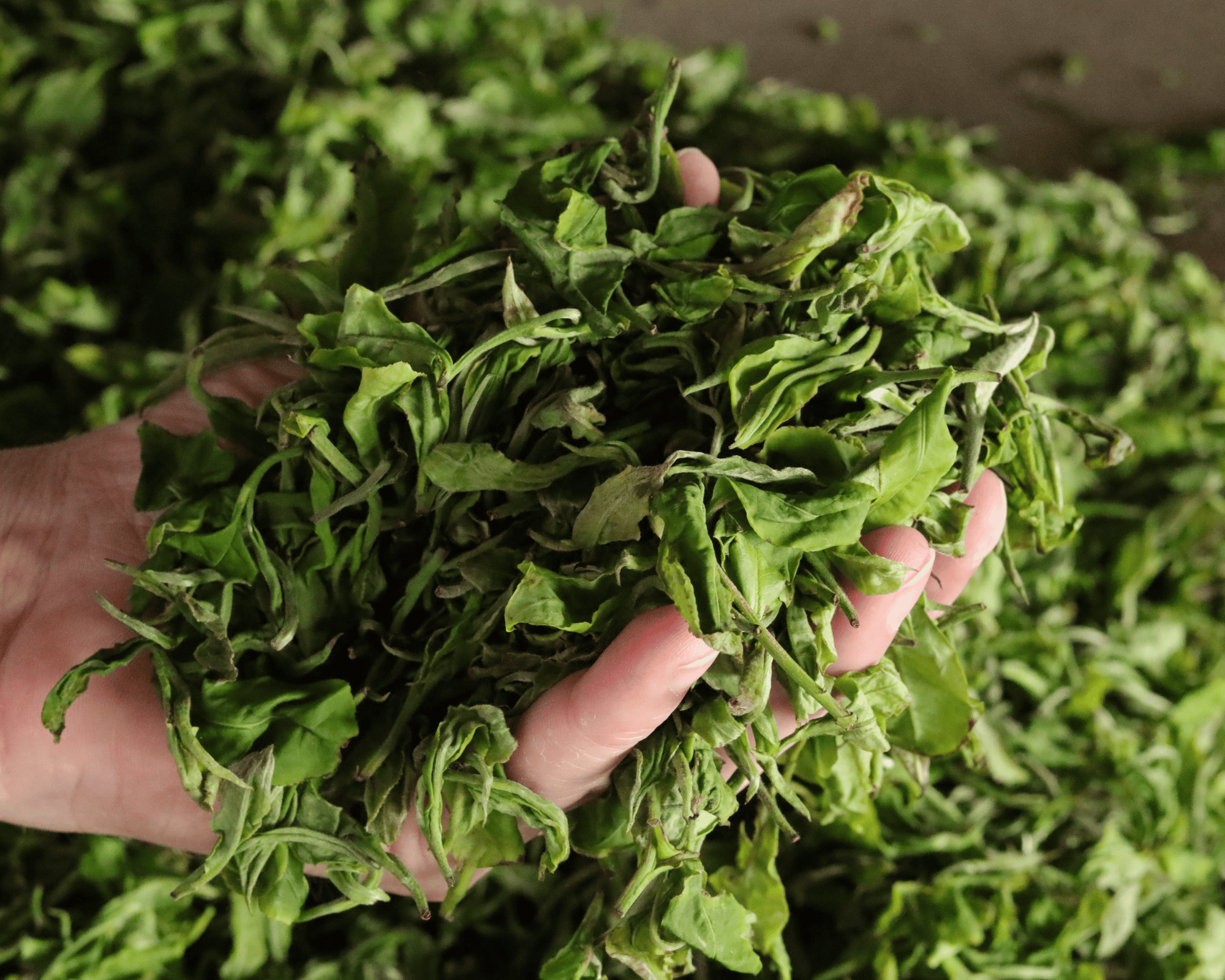
Organic tea plants are more exposed. Leaves may be nibbled, marked or uneven. Harvests can vary from one season to the next. What is gained in ecological balance is often offset by lower yields and a greater reliance on skilled, attentive labour.
Perfection, in the visual sense, becomes less relevant. The focus shifts to how the tea tastes, how it feels, and how it expresses its origin.
The Reality in the Garden
Tea does not grow in isolation. It responds to its environment, and organic systems allow more of that environment to remain intact.
In some gardens, this results in a controlled ecosystem where biodiversity is actively encouraged. In others, the line between cultivation and nature becomes less defined.
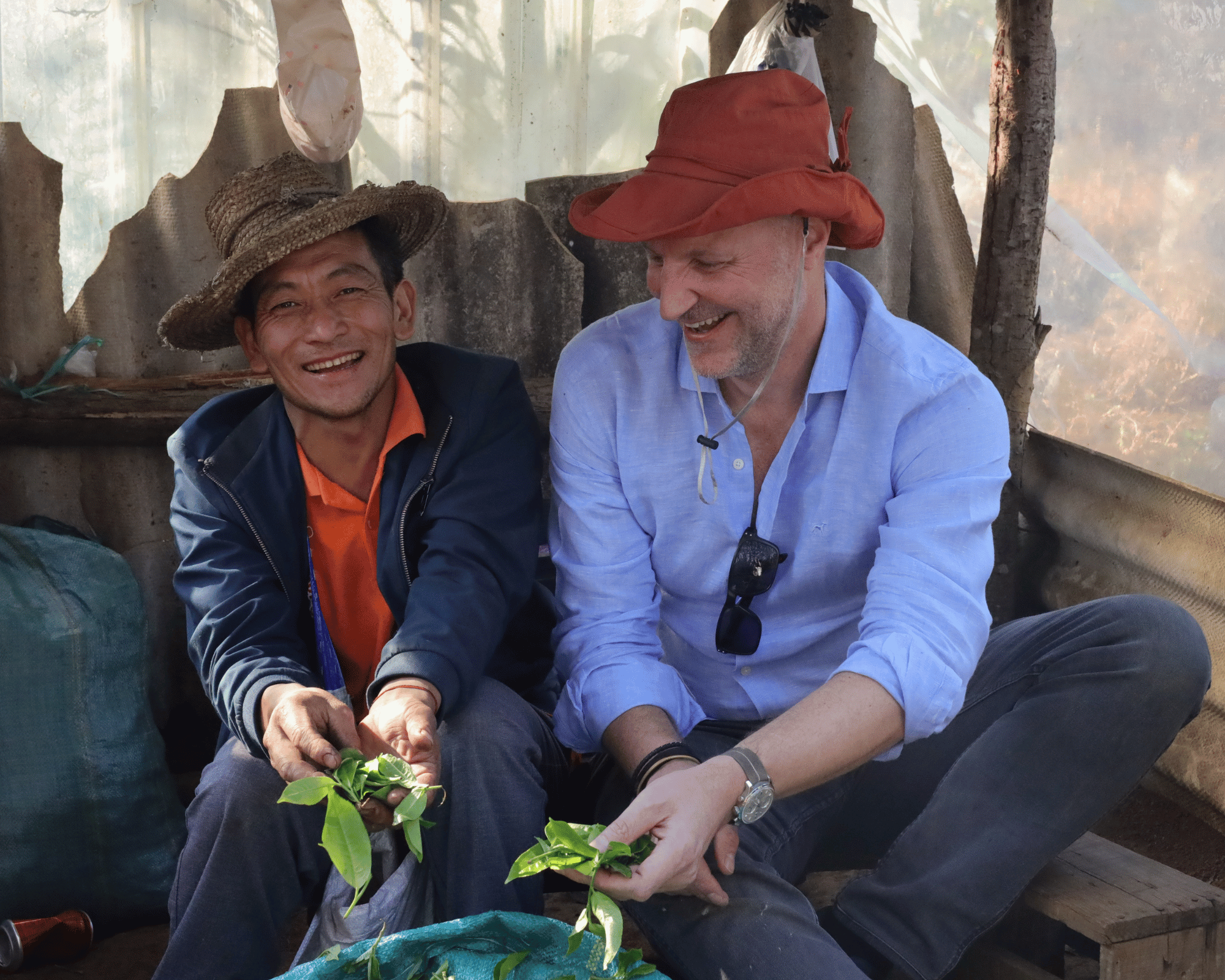
There are tea gardens where plants grow alongside surrounding vegetation, shaped by local conditions rather than strict agricultural inputs. These teas may never carry organic certification, yet reflect a level of ecological balance that is difficult to formalise.
At the same time, organic farming is not without compromise. Increased vulnerability to pests, more variable harvests and the physical demands placed on farmers all play a role in shaping the final tea.
Certification: What It Guarantees and What It Doesn’t
Organic certification provides structure and reassurance. It confirms that a tea has been grown and processed according to defined standards, typically requiring land to be free from synthetic chemicals for several years prior to approval.
Different regions operate under different systems, from the Soil Association in the UK to EU Organic and JAS in Japan. While these frameworks share core principles, they are not identical, and certification itself is a process influenced by cost and scale.
For larger producers, certification is often essential for export. For smaller farms, particularly those producing limited quantities of high-quality tea, the financial and administrative burden can outweigh the benefit.
As a result, some teas grown without synthetic intervention remain uncertified, not due to lower standards, but because certification is not always practical or necessary within their context.
Trade-offs in Organic Production
Organic cultivation is often associated with purity. In practice, it is a balance.
Yields are typically lower. Labour requirements are higher. Risk is less controlled. These factors contribute to higher costs and, in some cases, reduced availability.
There is also the question of flavour. Farming methods influence taste, but they do not define it entirely. Some organically grown teas are exceptional. Others are not. The same is true of non-organic teas.
Quality, in tea, is always multi-layered.
The AVANTCHA Approach
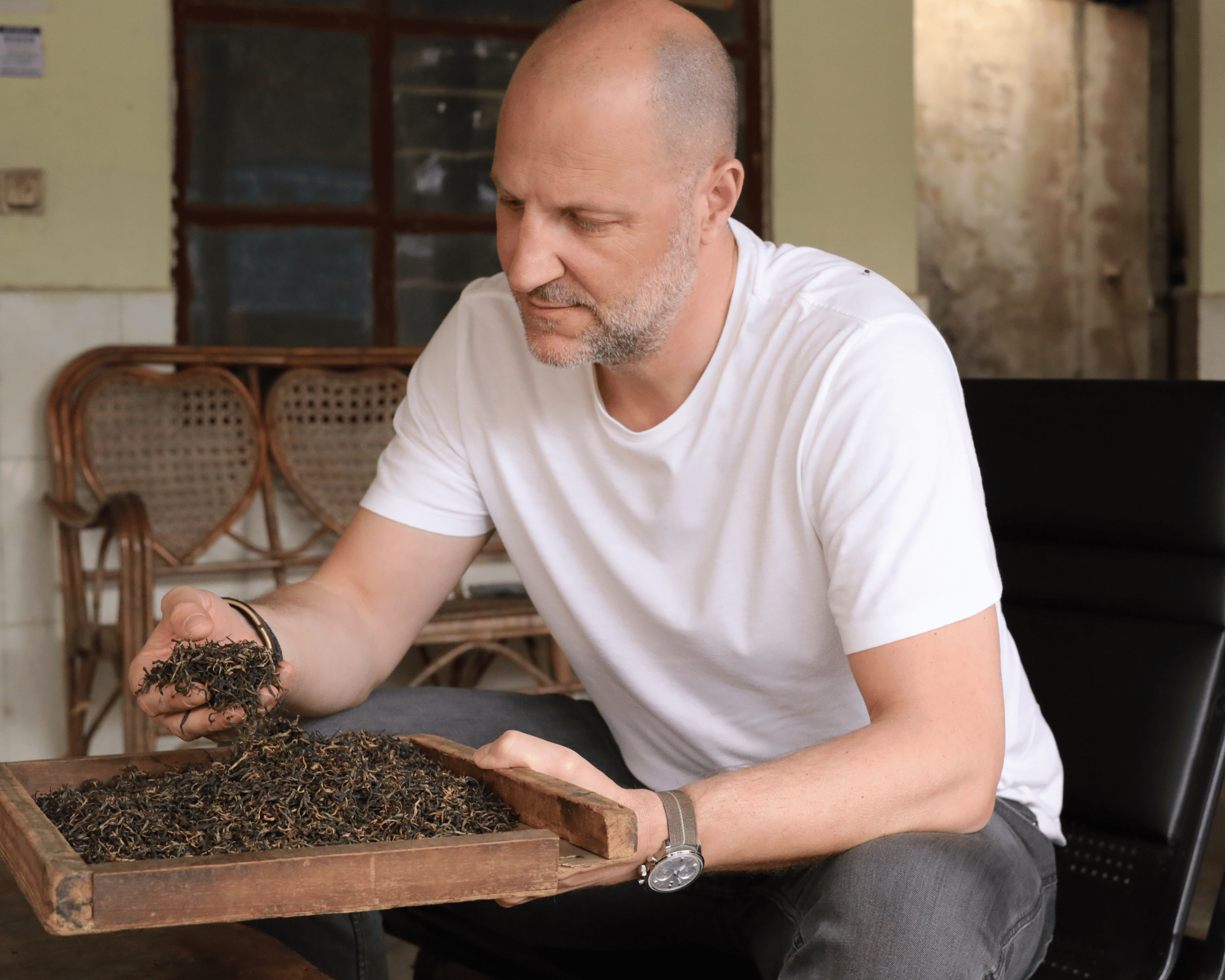
At AVANTCHA, organic certification is one of several indicators we consider, but it is not the only one.
Taste remains the priority.
Where organic teas deliver exceptional flavour, we will always prioritise them. Where they do not, we look more closely at how the tea has been grown and produced.
Our approach is guided by three principles:
Organic
Teas that meet recognised organic certification standards.
Naturally Farmed
Teas grown using organic principles but not formally certified, often due to technicalities or evolving regulations. In some cases, small adjustments in processing or blending prevent certification, even when the agricultural practices align closely with organic methods.
Verified Non-Certified
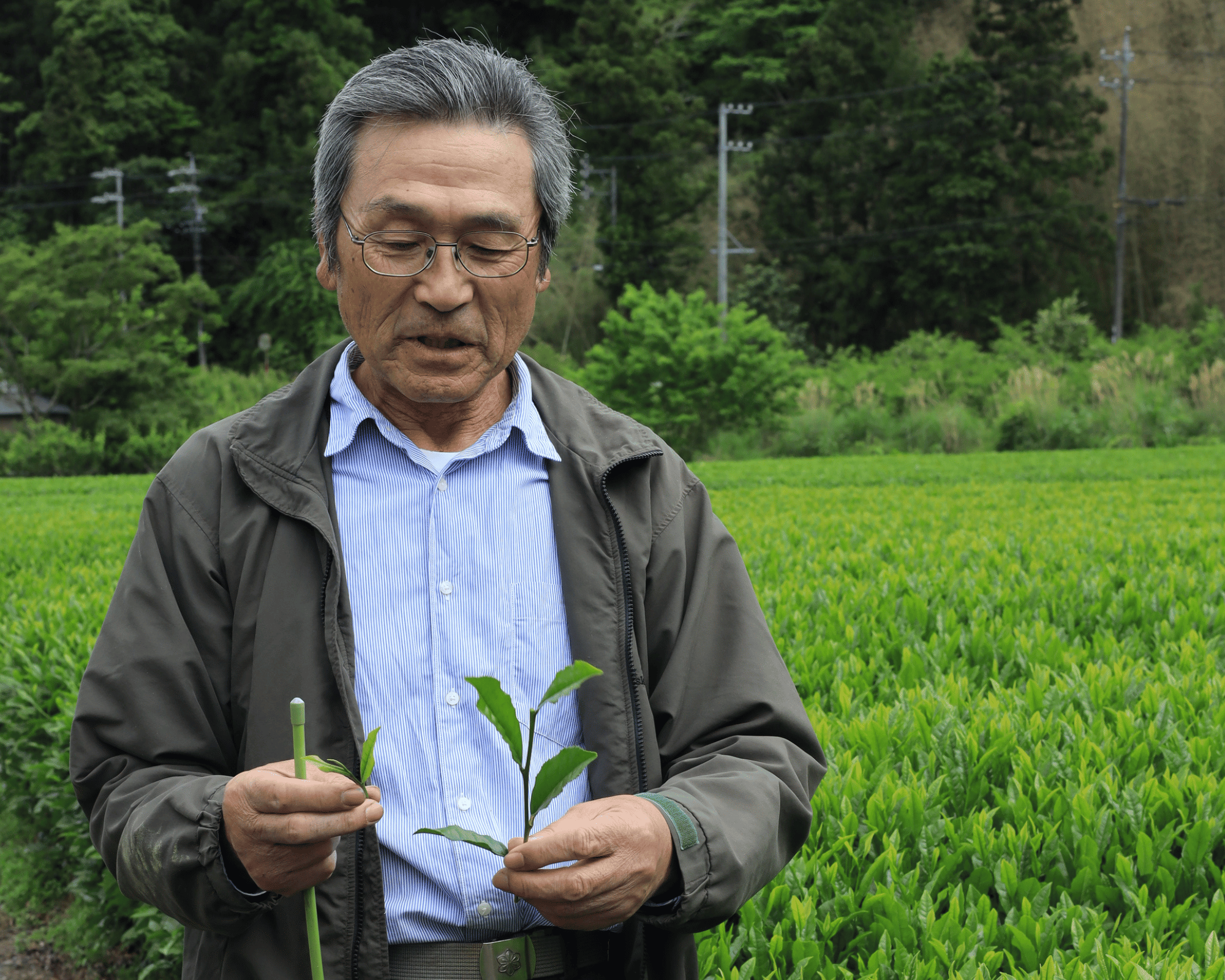
Teas sourced from producers we trust, where we can verify farming practices directly and through testing, despite the absence of certification.
This allows us to support a wider range of producers, including smallholders, while maintaining a consistent standard of quality.
A More Considered Choice
Organic tea is not a fixed category. It is part of a broader conversation about agriculture, quality and responsibility.
Labels can guide, but they do not tell the full story.
Understanding how tea is grown, and the choices behind it, offers a clearer perspective. One that values both the integrity of the land and the character of the tea itself.
In the end, what matters most is understanding where your tea comes from and how it’s made.


 All Rights Reserved. © AVANTCHA 2026