
What is Black Tea? A Complete Guide to Origins, Benefits & Varieties
Discovering the world of black tea is an exciting and varied adventure, taking you from the foothills of the Himalayas, to the deep wilds of China's Yunnan province, or the mountainous island of Sri Lanka. Before we journey through the world's finest origins, it helps to understand what black tea actually is, how it's made, and why it has captivated tea lovers for centuries.
What is Black Tea?
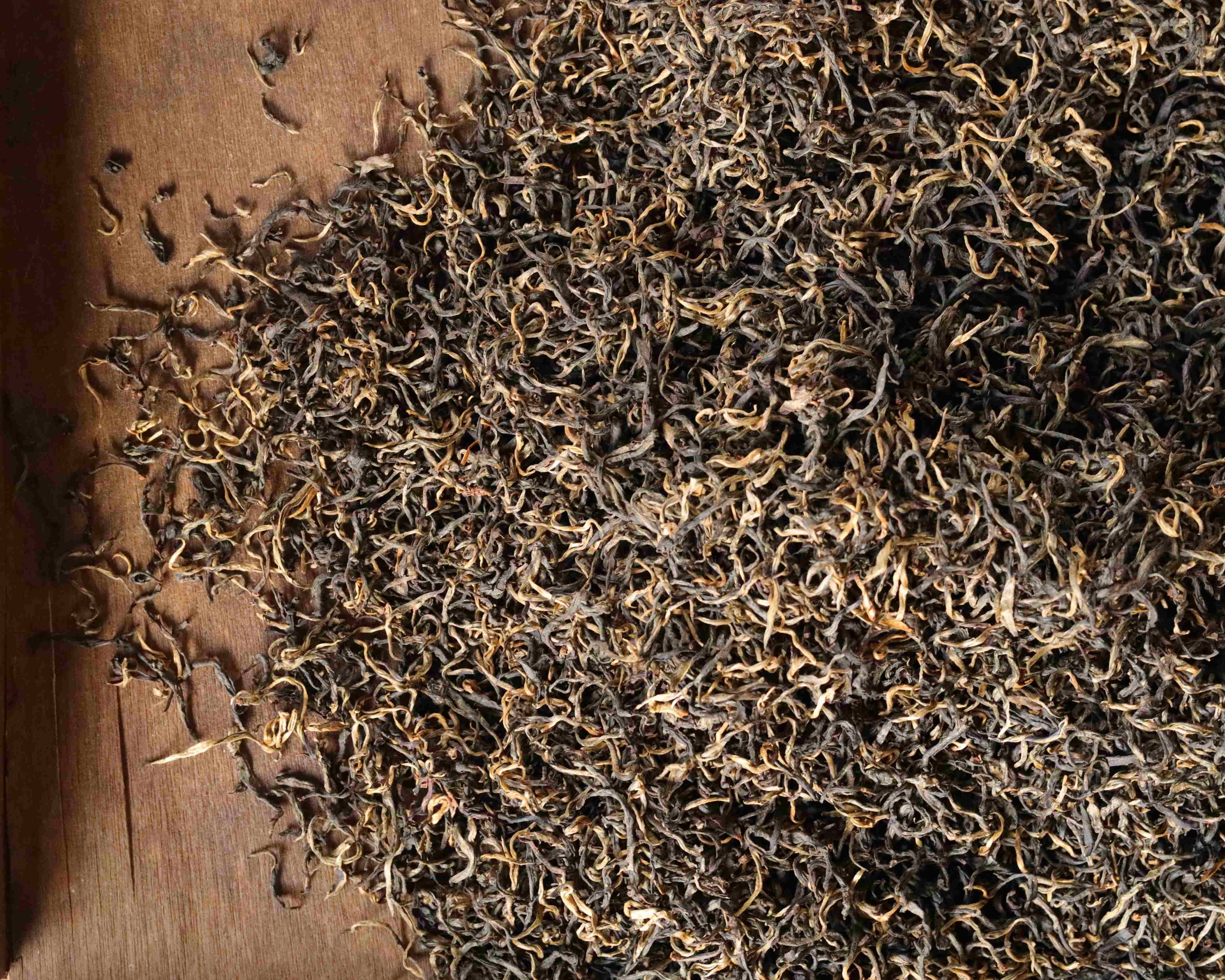
Black tea is one of the most consumed beverages in the world, second only to water. Like all true teas, it comes from the Camellia sinensis plant. What distinguishes it from green, white, or oolong tea is the degree of oxidation: black tea leaves are fully oxidised during processing, transforming them from green to deep brown or black and fundamentally changing their flavour, aroma, and chemical composition. The result is a bolder, richer, more complex cup.
.jpg?w=4250&h=3400)
How Black Tea is Made
After harvesting, leaves are withered to reduce moisture, then rolled to break the leaf cells and release natural enzymes. Unlike green tea, where oxidation is immediately halted, black tea leaves are intentionally exposed to oxygen. Enzymes react with the air to create theaflavins and thearubigins: the compounds responsible for the tea's colour, body, and flavour. Theaflavins contribute brightness and briskness; thearubigins create depth and a smoother mouthfeel. Once the desired oxidation level is reached, the leaves are fired to stop the process and stabilise the flavour.
.jpg?w=4250&h=3400)
.jpg?w=4250&h=3400)
Depending on the region and style, producers use traditional orthodox methods that preserve the whole leaf, or a CTC (crush-tear-curl) method common in stronger breakfast-style teas and chai blends.
.jpg?w=4250&h=3400)
Health Benefits of Black Tea
Beyond its exceptional taste, black tea is one of the most studied beverages for its potential health benefits. Rich in polyphenols, particularly theaflavins formed during oxidation and unique to black tea, it offers a range of properties that make it worthy of your daily ritual.
Rich in antioxidants – Theaflavins help the body fight free radicals and reduce cell damage and inflammation.
May support heart health – Flavonoids in black tea may help support healthy blood pressure and reduce the risk of heart disease.
May help support stroke risk reduction – Some studies suggest regular black tea consumption may be associated with a lower risk of certain types of stroke.
Supports digestion – Traditionally enjoyed after meals for its gentle, soothing effect on the digestive system.
Encourages calm focus – L-theanine combined with caffeine produces a grounding, steadying effect on the mind.
A moment of pause – The ritual of brewing and drinking black tea offers a simple, quiet moment in the day.
As with all health-related matters, individual responses vary. The best cup is always one brewed with quality leaves, because the concentration of beneficial compounds is directly tied to the quality of the tea itself.
Black Tea vs Green Tea: Is there a Difference?
Both come from the same Camellia sinensis plant; the difference is entirely in processing. Green tea is heated shortly after harvest to halt oxidation, preserving its green colour, fresh flavour, and catechin-rich polyphenol profile (notably EGCG). Black tea undergoes full oxidation, producing theaflavins and thearubigins and a bolder, more complex character. Black tea generally delivers more caffeine per cup as brewed, though steep time and leaf grade matter more than the tea type alone. Both offer meaningful health benefits; they are simply different in character.
.jpg?w=4250&h=3400)
What Does Black Tea Taste Like?
At its core, black tea is full-bodied and warming, with natural notes of malt, earth, and a gentle astringency from tannins. Beyond that, the flavour shifts considerably by origin. An Assam is robust and malty, built for milk. A Darjeeling is delicate and muscatel, with a distinctive grape-like sweetness from its high-altitude growing conditions. A Yunnan is honeyed and smooth: our Organic Golden Yunnan builds through the cup from honey and malt to a long caramel finish. A Smoky Lapsang Souchong takes a more dramatic turn, evoking pine wood and open fires.
Single-origin teas from exceptional gardens add further layers: the petrichor aroma of our Darjeeling Spring Selimbong, the orchid and cocoa of a fine Keemun, the extraordinary gold-black buds of Jin Jun Mei from Tongmu. Flavoured and blended teas open up a different dimension entirely. The short answer is that black tea tastes like wherever it comes from. The longer answer is best discovered cup by cup.
-(1)-0.jpg?w=4250&h=3400)
Types of Black Teas
Chinese Black Teas
China is the birthplace of tea, and its black tea range is the most varied in the world, spanning ancient Yunnan cultivars, celebrated Keemun gardens, rare Wuyi mountain productions, and a long tradition of scenting teas with fragrant botanicals.
Yunnan
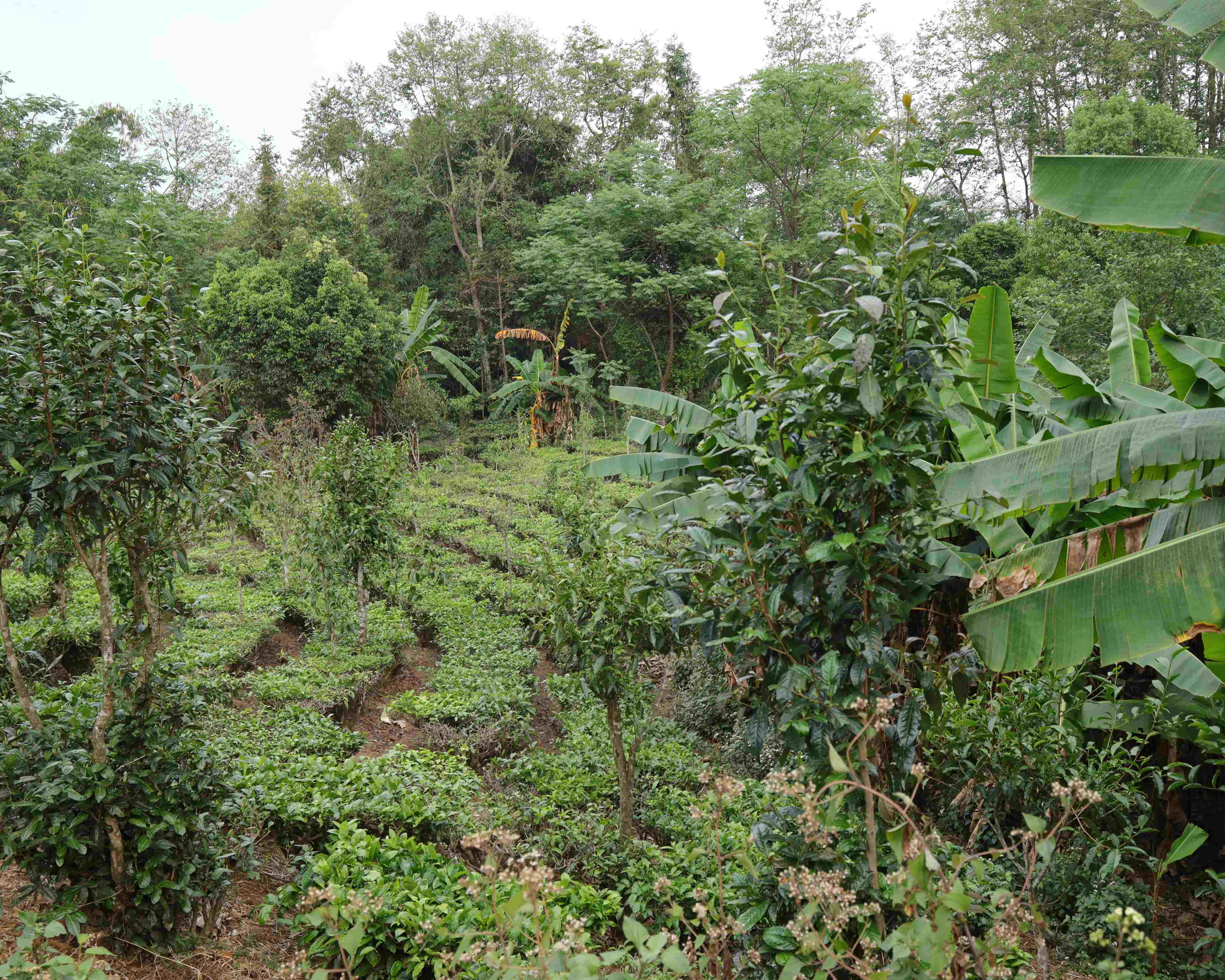
Yunnan in southwest China produces black teas of extraordinary character from ancient cultivars and diverse mountain microclimates. Our Organic Golden Yunnan is a Mao Feng black made from golden buds and leaves: intensely sweet on the nose, smooth in the cup, with honey, malt, and caramel building to a clean finish. Cold brew for four hours for a particularly smooth, honeyed result.
In the Platinum Collection, our Imperial Yunnan Golden Buds are made exclusively from Pre-Qing Ming spring buds from the Cuiyun Tea Garden in Simao at 1,200 metres: an all-gold leaf with a velvety body and a subtle floral perfume alongside the honey and malt. Our Yunnan Black Pearls, hand-rolled by Mr Yang in Jinggu from the Yunkang 10 cultivar, release an intense chocolate and caramel aroma the moment hot water is added. The Yunnan Earl Grey Black Pearls take the same hand-rolled spring leaves with natural bergamot oil for a lighter, more honeyed Earl Grey than any stronger base could produce. Rose Gold, also in the Platinum Collection, blends the Imperial Yunnan Golden Buds base with sun-dried red rosebuds and pink rose petals for an immediate aroma of wild honey, cocoa, and rose.
Our Da Xue Shan Wild Tree Black Tea comes from a different part of Yunnan entirely. At 2,000 metres in Lin Cang, Dr Tang and his family harvest large-leaf Camellia Taliensis from wild trees across roughly 70 hectares of remote mountaintop terrain, some tall enough to require climbing. The leaves are pan-fried over burning firewood after slow withering. In the cup: deep amber, juicy and sweet, with tropical fruit, honey, and a warmth that builds and lingers.
-(1)-0.jpg?w=4250&h=3400)
Keemun
The Qimen region in Anhui has been producing Keemun for nearly 150 years. Our Organic Royal Keemun is rich and full-bodied with orchid, cocoa, and wine fruits. Our Spring Royal Keemun in the Platinum Collection uses one-bud-one-leaf sets from the Qimen Da Hao cultivar. Made by Mr Hua from the very first spring buds at 600 metres, the tea is deep burgundy in the cup, with cocoa, fruit, and a delicate rose musk. For something more unusual, Keemun Imperial Saffron pairs fine Keemun with real threads of premium Iranian saffron and green cardamom, no additional flavouring added.
Jin Jun Mei and the Wuyi Mountains
Tongmu village in the Wuyi Mountains is the birthplace of black tea. Our Jin Jun Mei is produced by tea master Mr Shi from pre-Qingming buds at 800 metres: fine gold-black spirals with an outstanding candied, chocolaty aroma, and a cup that unfolds from biscuit and spice to a lingering caramel sweetness across multiple infusions. Cold brew for four hours for a smooth, sweet result.
Our Wild Wuyi Black Tea, from a secluded garden at 800 metres, is fully oxidised but behaves like a dark oolong: light-bodied, with roasted peach, elderberry, and wild honey, and a refreshing astringency on the finish.
-(1)-0.jpg?w=2000&h=1600)
Scented Black Teas
China has a long tradition of scenting black teas with fragrant ingredients. Our Lychee Black Tea uses a naturally farmed Chinese black base scented with natural lychee essence: floral, sweet, and faintly rose-like, with the tea providing structure and the lychee providing lift. Outstanding over ice.
Our Rose Petal Black Tea comes from Fuding, Fujian, where tea master Ms Geng oversees the traditional hand pan-firing process. Blended with real rose petals and natural rose scent, the aroma is powerful and immediate.
Our Jasmine Black Tea is scented the classical way: laid alongside fresh jasmine flowers that bloom at night, repeated three to five times. The jasmine becomes part of the leaf rather than simply applied to it, and the vanilla sweetness that lingers in the cup is entirely natural.
Smoky Lapsang Souchong
Lapsang Souchong originated in Tongmu village, the same protected Wuyi landscape as Jin Jun Mei. Where many commercial versions use artificial smoke oils, our Smoky Lapsang Souchong follows the authentic Tongmu method: slowly dried over natural pine wood in small wooden huts. The result is deeply smoky, warm, and resinous, with a rich, creamy finish that develops behind the smokiness and lingers long after the last sip. Nothing else tastes like it.
-(1)-0.jpg?w=2000&h=1600)
Indian Black Teas
Tea cultivation in India began in the early 1800s, and the country now produces some of the world's most celebrated black teas, from the strong, malty Assams of the northeast to the delicate, muscatel Darjeelings of the Himalayan foothills.
Assam
Our Golden Assam Mangalam is a premium first flush from the Mangalam Estate, made from FTGFOP1 Panitola clone leaves, the highest grade in Assam classification. Malty and smooth in the cup, with a natural fruity sweetness and a distinctive note of ripe plum. Rich with or without milk, though the caramel notes are most apparent without.
Darjeeling
Darjeeling produces three distinct flushes, each with its own character. Our first flush teas are the most delicate: the Darjeeling Spring Selimbong from over 1,400 metres on the Indo-Nepalese border has an extraordinary petrichor aroma, entirely particular to this garden, with a honeyed muscatel character and a long, smooth finish. The Darjeeling Spring Seeyok, from one of the oldest certified gardens in the region, established 1869, releases notes of tangy young grapes and warm spring flowers. The Darjeeling Spring Singell from the Singell Estate at 1,500 metres is the most ephemeral: fresh hay, warm honey, young flowers.
The second flush brings richer, more expressive character. Our Summer Singell has the muscatel depth Darjeeling is most famous for. In the Platinum Collection, the Darjeeling Summer Samabeong from the organic Samabeong Estate at over 2,000 metres has a distinct note of Mirabelle plum alongside cedar and honeysuckle. The Darjeeling Autumn Samabeong, also Platinum, is from the third flush: rich and syrupy-sweet with ripe blackcurrant, hazelnut, and muscatel. All Darjeelings are best without milk and cold brew well at one to one and a half hours in the fridge.
Sri Lankan Black Teas
Our Ceylon Orange Pekoe Nuwara Eliya comes from the highest growing region in Sri Lanka at around 8,000 feet, where cool mountain air and mist produce teas of particular delicacy and citrus clarity. Medium-bodied and tangy in the cup, with a note of orange and a satisfying finish. The natural citrus freshness is most apparent without milk. Cold brew in cold water for one to two hours for a bright, citrusy result.
Japanese Black Tea
Organic Japanese Benifuuki
Almost all Japanese teas are green teas. Our Organic Japanese Benifuuki is a rare exception: a hybrid cultivar descended from a cross between Darjeeling and Japanese lineage, grown at 390 metres in Kirishima, Kagoshima, and harvested in early April. Fully oxidised, it carries the floral complexity of its Darjeeling heritage alongside the clean, structured character of Japanese craftsmanship: rose, lychee, and muscatel notes with a malty base and a touch of toasted grain. Best without milk. One of the most unusual and collectible teas in the range.
.jpg?w=4250&h=3400)
Breakfast Teas
Breakfast tea is built for the morning ritual: full-bodied, malty, and good with milk. What separates a great one from an ordinary one is the quality and provenance of the leaf.
Assam English Breakfast is a pure expression of Assam: rich and malty with GFBOP broken leaf, bold enough to cut through milk. Our Assam English Breakfast Silk Tea Bags carry the same character for easy preparation.
Organic English Breakfast blends three certified organic origins: Ceylon for brightness and citrus, Assam for malt and body, Yunnan for a soft caramel depth. More interesting than a single-origin breakfast blend, reliable enough for daily use.
Decaffeinated Ceylon Orange Pekoe offers all the satisfaction of a proper black tea with none of the caffeine, decaffeinated using natural methods that preserve the brightness and mild citrus character. The natural choice for afternoons, evenings, or anyone managing their intake.
-(2).jpg?w=4250&h=3400)
Organic Black Teas
Organic teas are grown without synthetic pesticides or fertilisers, working with the land rather than against it. At AVANTCHA, we prioritise organic teas wherever possible, and our range includes both certified organic teas and teas grown to the same principles without the formal accreditation. For the full picture, our guide to Examining Organic Tea covers the detail.
Our certified organic black teas span several of the world's great origins: the Darjeeling Spring Seeyok, Darjeeling Summer and Autumn Samabeong, and Organic Darjeeling Summer Singell from India; the Organic Royal Keemun from Anhui; the Organic Golden Yunnan; the Organic Masala Spice Chai, one of the few masala chai blends where the entire recipe carries organic certification; and the Organic Japanese Benifuuki from Kirishima. The result is a selection that reflects purity in cultivation and character, while staying true to origin and expression.
.jpg?w=4250&h=3400)
Flavoured and Blended Black Teas
While we enjoy tea that expresses a single origin, blending teas or pairing them with botanicals, spices, and natural essences draws on traditions that stretch back centuries, alongside some entirely original AVANTCHA creations.
Majestic Earl Grey uses naturally farmed Chinese black tea, closer to the original historical recipe than the African or Indian blends used in most commercial versions, with Sicilian bergamot essence at 7% and marigold petals. Smooth, malty, and bright. Excellent over ice with a slice of lemon.
Oud & Mastic was created for customers in the Middle East and draws on two of the most ancient aromatic ingredients in the world: mastic, a natural resin from the Greek island of Chios, and oud, derived from the resinous heartwood of Aquilaria trees. A Chinese black tea base blended with sandalwood, cinnamon, nutmeg, cloves, jasmine blossoms, and rose petals, fragranced with natural oud. Transportive and unlike anything else in the range.
Vanilla Excelsior pairs Bourbon vanilla from Madagascar, the most prized variety in the world with each blossom pollinated by hand, with a Himalayan black tea base that brings its own muscatel complexity. Sophisticated rather than simply sweet.
-(2).jpg?w=4250&h=3400)
Velvet Salted Caramel blends a robust black tea base with real salted caramel pieces, fennel seeds, anise, black peppercorn, and roasted apple. Full-bodied and indulgent, with the salt sharpening the sweetness in the way it always does in a good caramel.
Chocolate Chilli Black Tea draws on the ancient South American pairing of cacao and cayenne. Naturally farmed black tea with cocoa shells, chocolate drops, hazelnut brittle, and crushed chilli. The heat builds gradually on the finish and lingers without overwhelming.
Midnight Chocolate Mint captures the classic after-dinner pairing of rich chocolate and cool peppermint in a naturally farmed black tea. White chocolate flakes add creaminess; cornflower petals a delicate lift. Indulgent without being heavy, and an excellent mocktail base over ice.
Wild Strawberry uses freeze-dried strawberries, raspberries, elderberries, and raspberry leaf to produce a tea that genuinely evokes the height of the berry season. Smooth, naturally sweet, and outstanding over ice garnished with fresh berries.
Mango Royale pairs a robust black tea base with real sun-ripened mango pieces and natural mango flavouring. The tea grounds the fruit; the fruit lifts the tea. One of the best teas in the range for drinking cold, and a natural base for cocktails with coconut, lime, or ginger.
-(1).jpg?w=4250&h=3400)
Organic Masala Spice Chai builds on organic Assam with cinnamon, cardamom, cloves, ginger, anise, and black pepper, with a touch of rooibos for natural sweetness. Every ingredient carries organic certification. Best with milk, or steeped concentrated and topped with steamed milk for a proper chai latte.
Oriental Moments was created for customers in the Middle East and combines pu-erh and black tea from Yunnan with cinnamon, sandalwood, vanilla, green cardamom, marigold, and safflower petals. The pu-erh gives it longevity across multiple infusions and an earthy complexity that a simple spiced black tea cannot achieve. Now a customer favourite worldwide.
Keemun Imperial Saffron pairs fine Keemun with real threads of premium Iranian saffron and green cardamom, no additional flavouring. Iran produces between 90 and 96 percent of the world's saffron. The floral, honey-like fragrance of the saffron works beautifully against the malty Keemun base.
AVANTCHA Noel blends black tea with real cinnamon, orange peel, cloves, ginger, and whole cardamom. The taste and scent of a European winter market in a cup. Named for the season but suited to any cold day from October through February. Outstanding heated gently with apple juice and honey as a mulled alternative.
-(1).jpg?w=2000&h=1600)
Iced Black Teas and Cold Brew
Black tea is excellent served cold, and the method changes the character of the cup. Cold brewing at low temperature suppresses astringency and brings out the natural sweetness and aromatic complexity of the leaf. Iced tea, brewed hot and chilled quickly, gives a bolder, more immediate character that suits flavoured teas and breakfast blends.
For single-origin teas, use 1g of leaf per 100ml of cold water. Steep times vary by tea: Organic Golden Yunnan and Imperial Yunnan Golden Buds, four hours; Jin Jun Mei, four hours; Ceylon Orange Pekoe Nuwara Eliya, one to two hours; Darjeeling first flush teas, one to one and a half hours; Lychee Black Tea and Mango Royale, one and a half to two hours. Taste as you go. Whole-leaf teas are more forgiving of longer steeps than broken-leaf blends.
For iced tea from flavoured blacks, brew hot at 1.5 times the usual strength for five minutes, then pour directly over ice. Wild Strawberry, Mango Royale, Lychee Black Tea, Rose Petal Black Tea, and Majestic Earl Grey with a slice of lemon are all outstanding cold. Explore our full range of Black Teas, or start with our Breakfast Collection.
Frequently Asked Questions
What is black tea made from?
Black tea is made from the leaves of the Camellia sinensis plant, the same plant that produces green, white, and oolong tea. The difference lies in processing: black tea leaves are fully oxidised, transforming their colour, flavour, and chemical composition.
Does black tea have caffeine?
Yes, though the exact level varies depending on the type of tea, the amount used, and how long it is brewed. It contains less caffeine than coffee and sits in the mid-range compared to other teas. Our Decaffeinated Ceylon Orange Pekoe gives all the pleasure of a good black tea with none of the caffeine.
What are the benefits of black tea?
Black tea is rich in polyphenols, particularly theaflavins unique to black tea that develop during oxidation. Research associates regular consumption with support for heart health, sustained mental energy, and antioxidant protection. The quality of the leaf directly influences the concentration of these beneficial compounds.
Is black tea healthier than green tea?
Both are beneficial and come from the same plant. Green tea retains higher levels of catechins (notably EGCG); black tea is uniquely rich in theaflavins. Neither is categorically superior; they offer complementary benefits and very different flavour experiences.
Which black tea is the best quality?
Quality in black tea is defined by origin, elevation, harvest season, and the care of processing. Our Jin Jun Mei from Tongmu, made from pre-Qingming buds by Mr Shi at 800 metres; our Darjeeling Spring Selimbong from over 1,400 metres; our Ceylon Orange Pekoe from 8,000 feet; and the Imperial Yunnan Golden Buds from Simao at 1,200 metres are among the finest examples. At AVANTCHA, every tea is selected to meet an exacting standard of flavour and provenance.
Can I drink black tea every day?
For most people, yes. As with all caffeinated beverages, moderation is sensible, particularly if you are sensitive to caffeine or monitoring blood pressure. Our Decaffeinated Ceylon Orange Pekoe is a good option for those who want the ritual without the caffeine.
What is the difference between loose leaf and teabag black tea?
Teabags typically contain broken or fannings-grade leaf, which brews quickly and strongly but with less complexity. Loose leaf tea uses whole or larger-leaf grades, which brew more slowly and produce a more layered, aromatic cup. The difference is most apparent in single-origin teas, where the full character of the leaf can only be expressed when it has room to unfurl properly.
How should I store black tea?
Black tea should be stored in an airtight container away from light, heat, and strong aromas. A cool, dry cupboard is ideal. Avoid storing near spices or coffee, which can taint the leaf. Properly stored, a good loose leaf black tea will keep its character for at least a year.

.png?w=2160&h=1440)
 All Rights Reserved. © AVANTCHA 2026