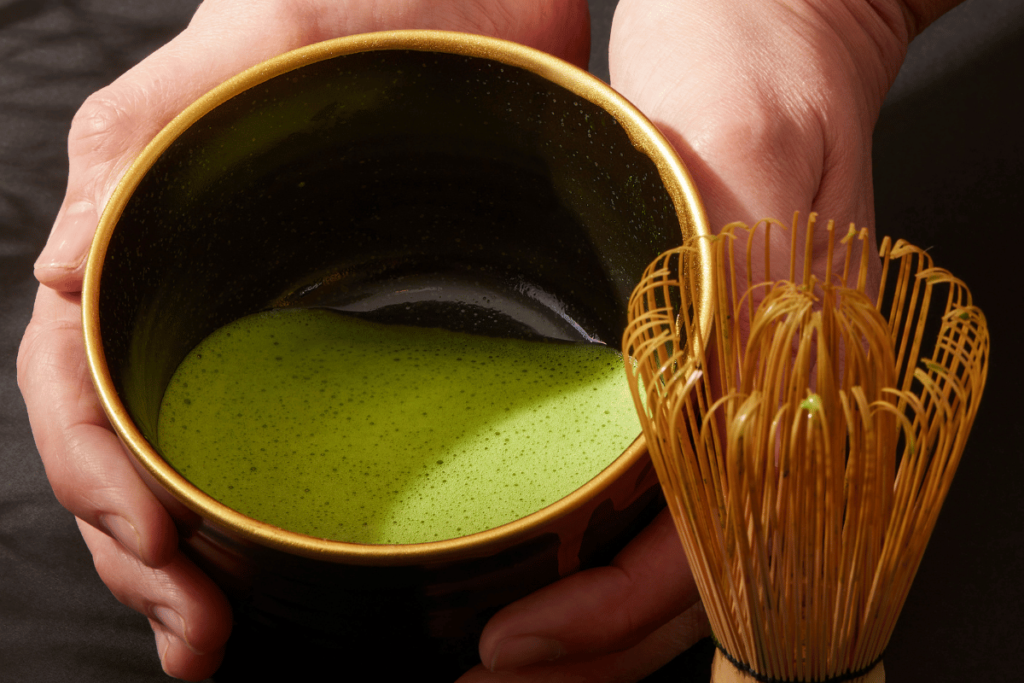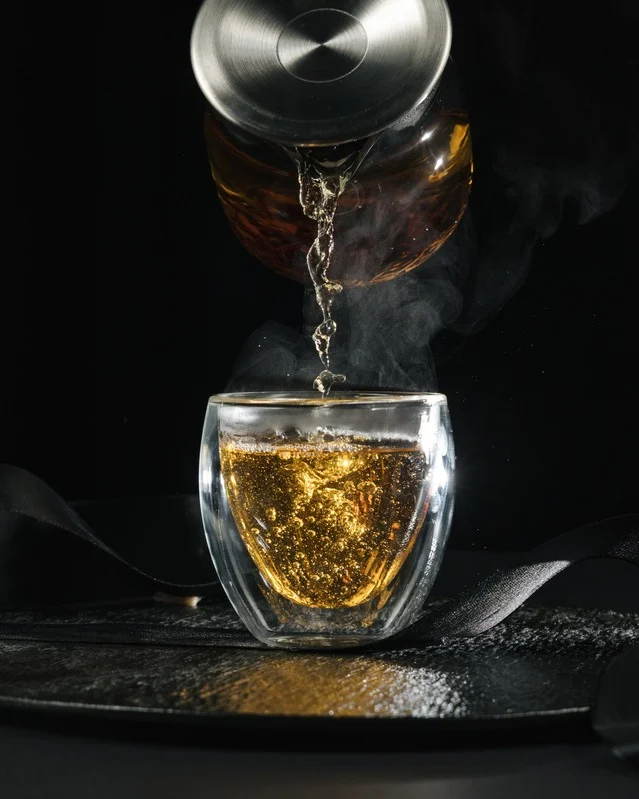
It’s amazing just how versatile tea – a single plant – really is. Even as a beverage, it is still vastly underestimated in comparison to coffee within mainstream consciousness. Here is a leaf (the Camellia Sinensis) that produces thousands of different flavour profiles, some as complex as the finest of wines. Did you know that in China, some teas fetch more money than gold per kilo?
While many are still to discover the joy that exploring tea as a beverage can offer, how many of us know of its other super powers as a stunning ingredient because, wow, is tea versatile. In this article, we look at the many different ways.
Blending with Tea
You’ll discover within our range of teas that we’ve already created some stunning combinations and blends that can be enjoyed at home. The history of blending tea, however, stretches over millennia. For example, in Azerbaijan where fresh herbs and flowers are foraged from the mountains to stir into Black Tea, or in Yunnan Province in China where it is common to add chrysanthemum flowers to Pu erh or, indeed, India where black tea is mixed with spices, honey and milk – each with their own recipe – to make the family chai. Why not try brewing your own? Next time you’re drinking a tea, think about what else might complement the flavour.
Try:
| Ceylon Tea | whole, green cardamom, or fresh mint with our Vanilla Excelsior |
| White Tea | a fresh stick of lavender, or organic rose petals (fresh or dried) |
| Jasmine Tea | whole, dried white mulberries |
| Flavoured Teas | for those days where you’re not feeling so adventurous, be sure to explore our range |
Grinding Tea
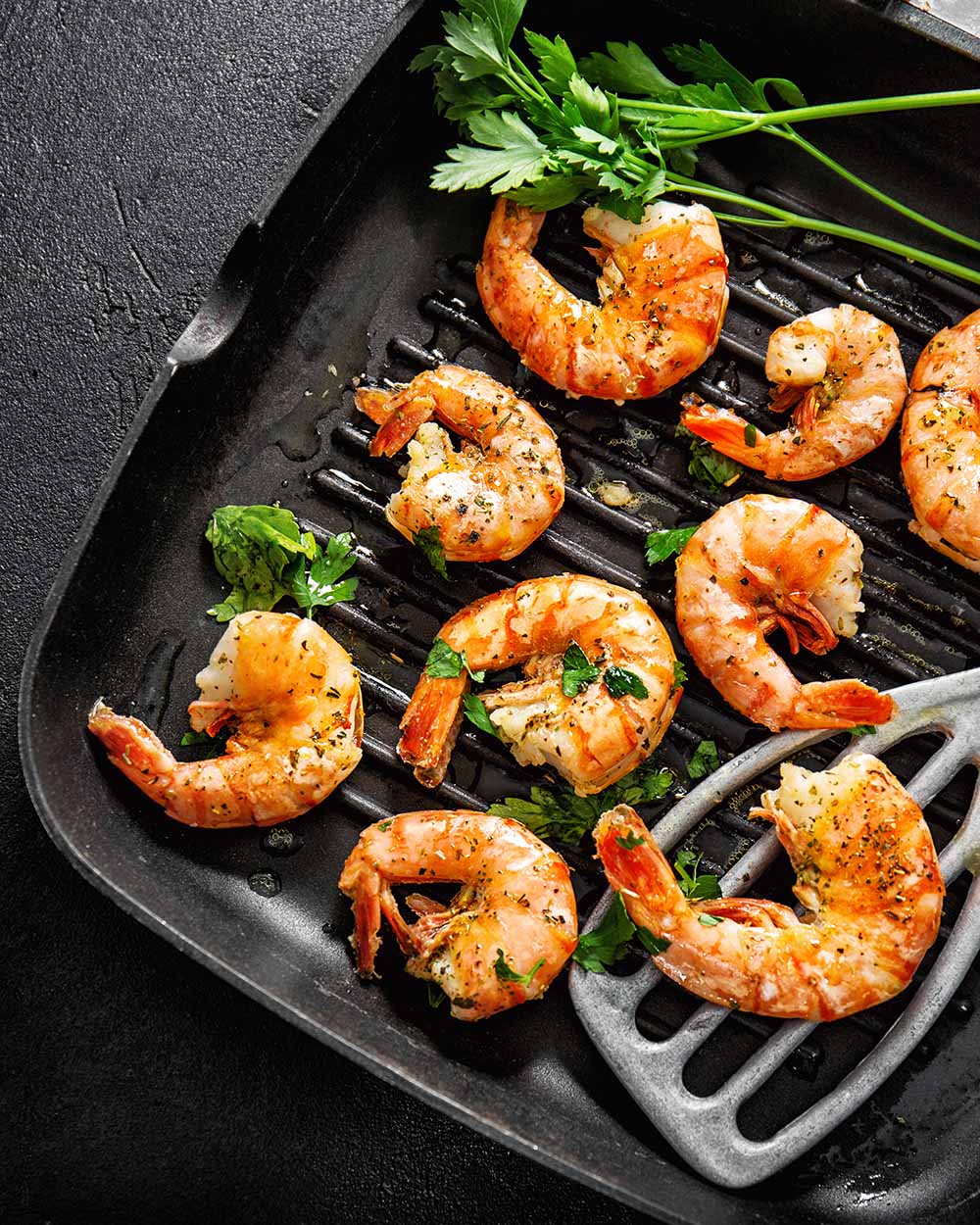
The virtues of tea as a powder are many. It can be used to flavour chocolate ganache, mixed with spices and sugar and rubbed all over a joint of beef for a dark, flavoursome crust, stirred into a caramel to make beautiful pouring sauces or fudge, rubbed into a shortbread pastry to make exquisitely fragrant biscuits, or dusted over juicy prawns as a seasoning.
Try:
| Chocolate ganache | When making a chocolate ganache, add a tbsp of good quality loose leaf tea ground to a fine powder per 100g of chocolate used. Earl Grey tea works beautifully with milk chocolate, whereas our Organic Gaba Oolong should work with most dark chocolate. Matcha will also blend well with white chocolate but make sure you use something as fresh and as green as our Matcha Ceremonial Grade Kagoshima Natural Farming to get a beautifully vibrant colour. |
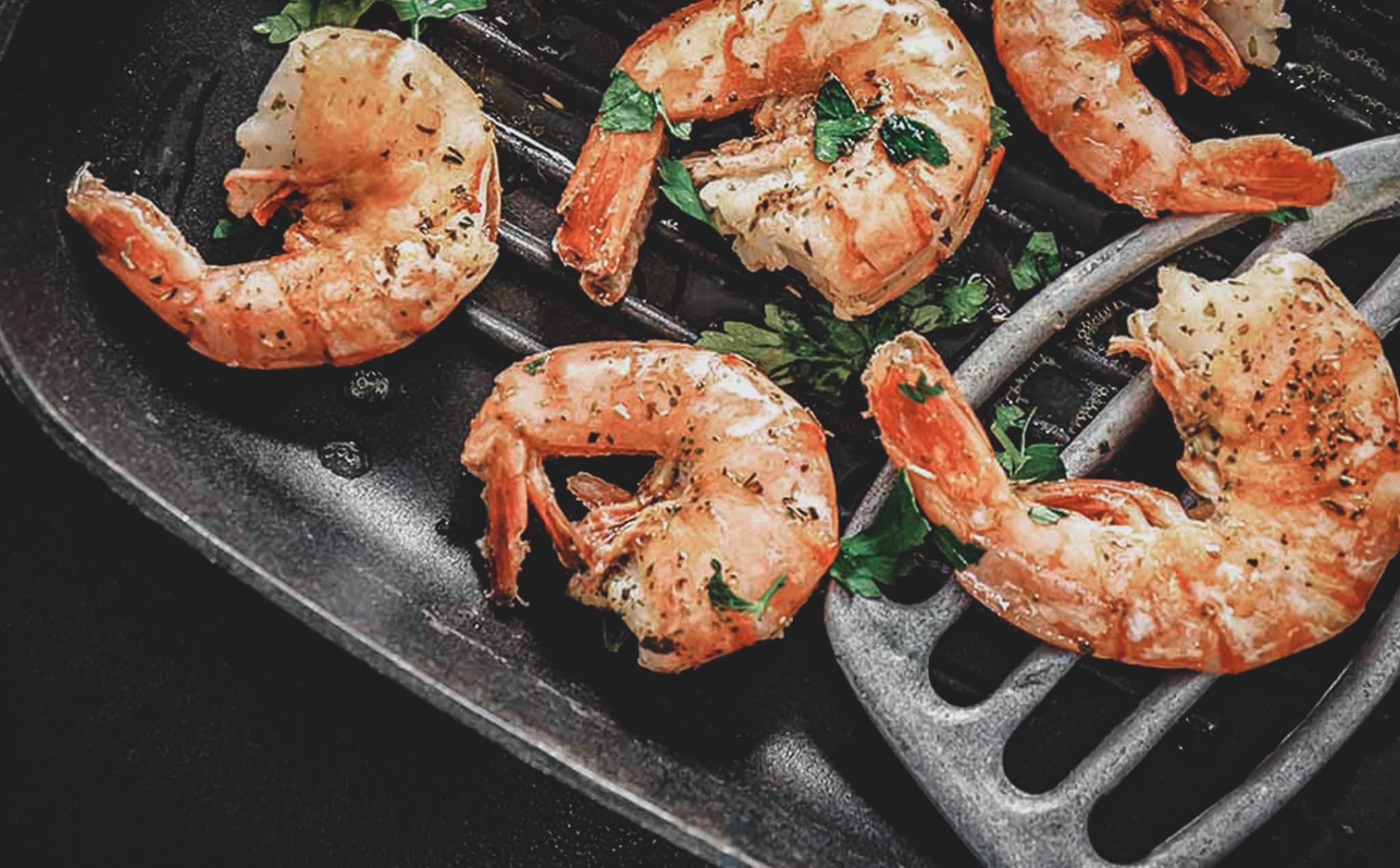
| Grilled prawns | While Da Fo Long Jing Green Tea really ought to be reserved for savouring, if you find you have a little surplus (or you’re coming to the bottom of a bag) simply grind 25g to a fine powder with 1g salt, and dust over grilled prawns for a surprisingly delicious uplift. |
| Beef | The same applies to our Organic Golden Yunnan Black Tea – just grind a tbsp or two into a beef rub that marries sugar and spices and it really adds something different to the crust. |
Infusing with Tea
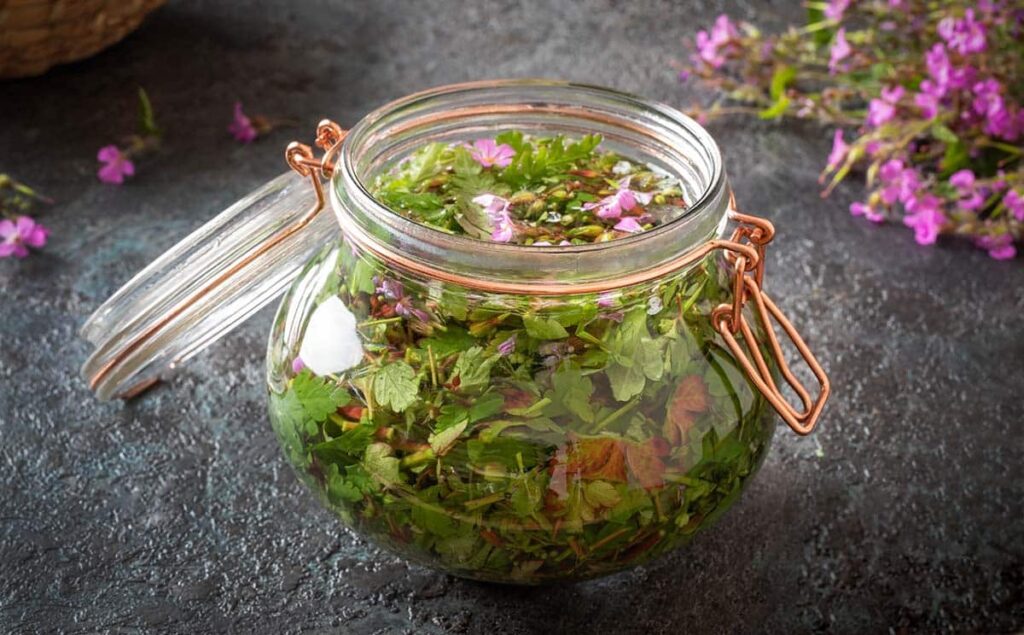
Infusing with tea is another wonderful way to add layers of flavour to different dishes. Think: cocktails, creams and panacottas (jasmine works particularly well here), honey that can be liberally dribbled over fruit, poaching liquids (dark oolong poached plums is a real treat), refreshing ice lollies in the summer (think jasmine, or any of our delicious herbal blends), and even kombucha. Chamomile makes a lovely and delicate kombucha, while green tea is typically used for a type of kombucha called ‘Jun Tea’, made with raw honey.
Curing with Tea
Zhangcha duck is a famous dish of Sichuan, where duck is marinated and then smoked over tea and camphor leaves. Smoking at home can actually be quite complicated and, you guessed it, smoky. If you want to still achieve a smoky effect when cooking, you might consider curing a fresh side of salmon with our Organic Lapsang Souchong.
Try:
| Fish | Grinding tea into a fine powder with sugar and salt (3tbsps tea, 3 tbsps sugar, 60g good quality coarse sea salt). Cover the fish with the cure, wrap with foil and leave in the fridge for 3 to 4 days before removing, wiping away the cure and cutting into fine slices to devour. Jasmine and Earl Grey tea also work well with salmon, too. |
| Pickling liquor | Add a few teaspoons of different teas to pickling liquor when preserving fresh vegetables – green tea, jasmine tea and earl grey all add something extra to a pickled cucumber! |
| Meat | You can brine meat in tea – try adding a few heaped tbsps of our Ceylon Orange Pekoe to your brining liquid. |
As you can see, there is so much to be done with tea – the possibilities seem quite endless. Do you have your own ways of using tea with food? We’d love to know more. Send us an email at retail@avantcha.com to share.
Follow us on Instagram for more inspiration.