
If your first matcha tea was an iced latte, try whisking a little with water. It is a good way to get to know the tea.
Some matchas taste savoury, like steamed greens or edamame. Others are creamy and sweet, with hints of white chocolate. Once you have tasted a few side by side, it becomes much easier to pick the one that suits the way you like to drink it.
Matcha is a finely ground Japanese green tea made from shade-grown leaves. The shade and the milling shape much of the taste. This guide explains what to look for, how to whisk matcha, and why the tea you drink with water may differ from the one you use in a latte.

What Is Matcha?
Matcha is a finely ground green tea made from tencha, which comes from the leaves of the Camellia sinensis plant. With sencha, you steep the leaves and strain them out. With matcha, you whisk the powder into water and drink the leaf itself. That is where the fuller texture comes from.
Drinking the ground leaf also means you take in compounds that would mostly stay in the used leaves of brewed tea, including caffeine, catechins and L-theanine.
Where Does Matcha Come From?
Powdered tea began in China. Japan then built its own traditions around it over the centuries, and that history helped shape the matcha we know today.
Tea reached Japan through cultural and religious exchange, especially through Buddhist monks and scholars. One important figure was the Zen monk Myōan Eisai, who returned from China in 1191 with tea seeds and knowledge of powdered tea.
Over the following centuries, Japan built its own tea culture. By the 16th century, tea masters including Sen no Rikyū had helped shape chanoyu, the Japanese tea ceremony, around harmony, respect, purity and calm.

How Is Matcha Made?
Matcha production starts several weeks before harvest, when farmers cover the tea plants. By the time the tea reaches the mill, workers have already shaded, picked, steamed, dried and refined it.
Shade-Growing
For about three to four weeks before harvest, tea farmers cover the plants to cut sunlight.
Lower light changes the leaf chemistry. It affects chlorophyll, which gives the tea its colour, and helps keep amino acids such as L-theanine. That is part of what gives matcha its deep green colour and the mix of sweetness and umami in the bowl.

Harvesting and Processing
After harvest, the leaves are steamed quickly to stop oxidation and keep their green colour and fresh vegetal taste.
Producers dry leaves meant for matcha without rolling them. The stems and larger veins are removed, leaving the refined leaf known as tencha.
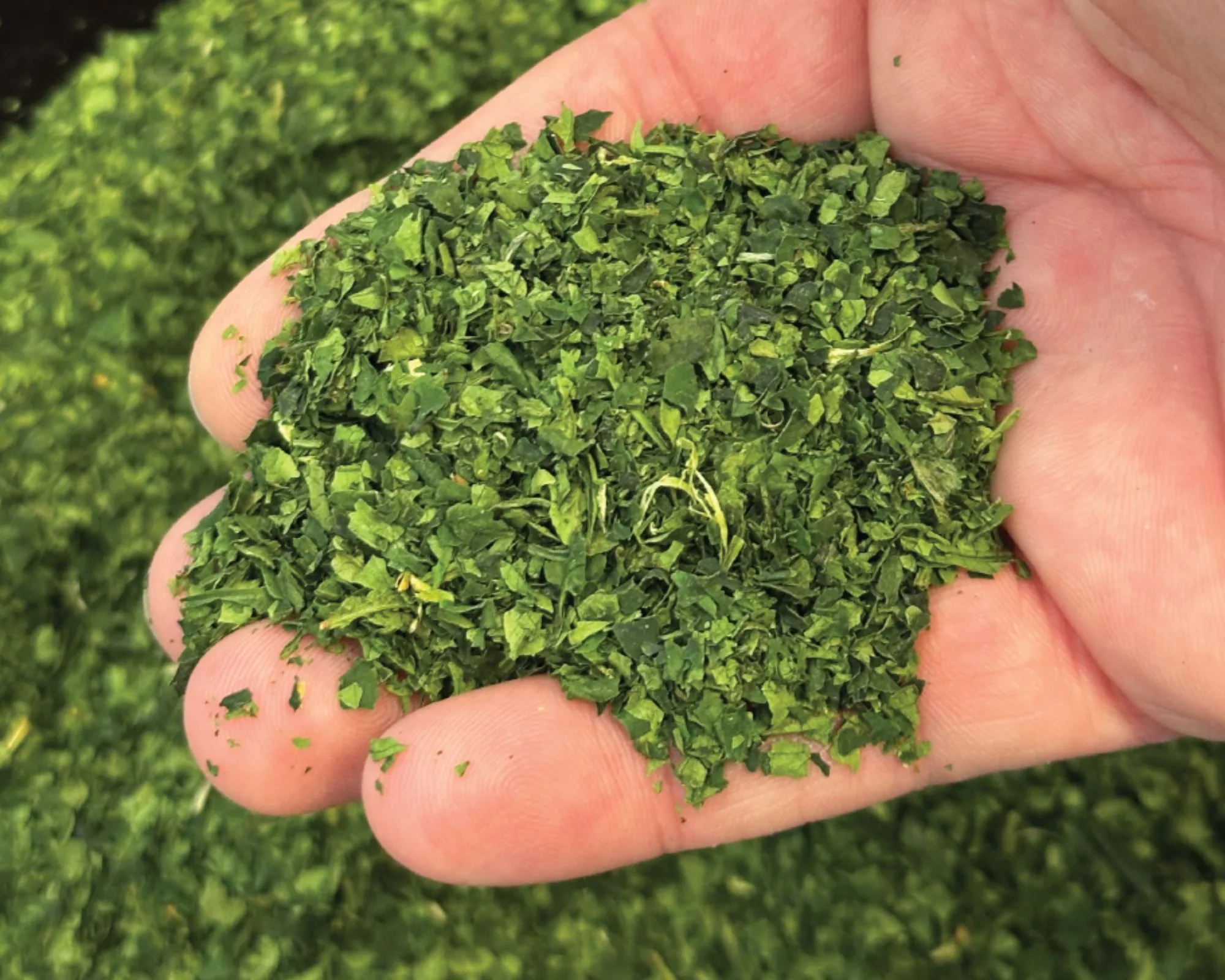
Grinding into Matcha
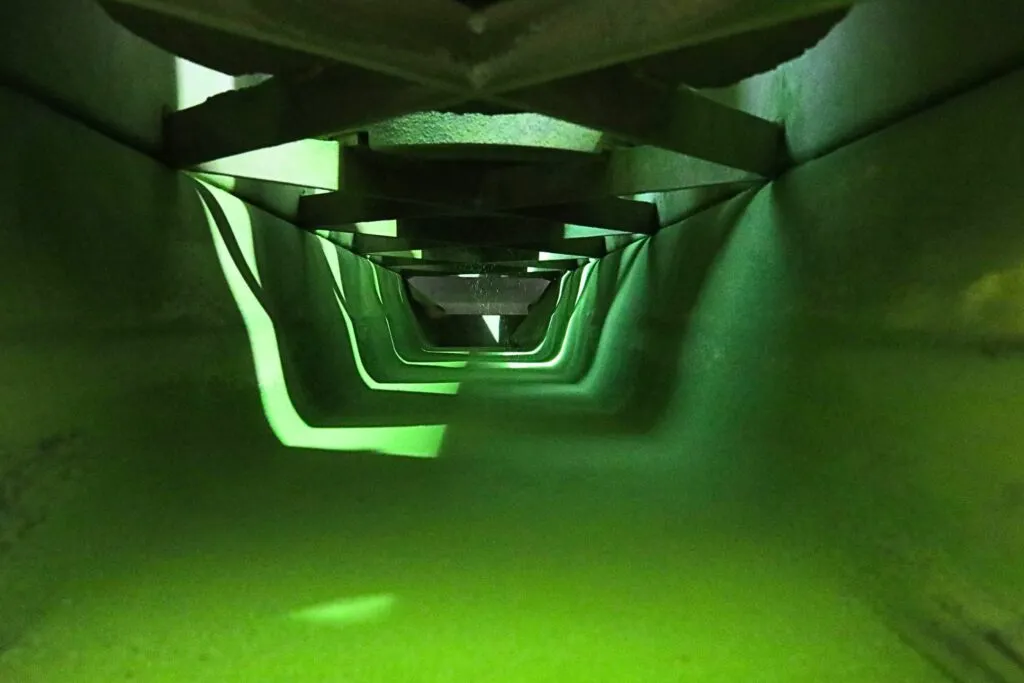
Traditional granite mills grind tencha slowly, making around 30--40 g of powder an hour. That is only enough for a small tin. The slow pace helps control friction and heat, which can affect aroma and flavour.
Other ways to mill matcha also exist. If you are choosing a tea, the fineness of the matcha powder and how it tastes matter more than the words stone ground on the tin.
Matcha vs Green Tea: What's the Difference?
Matcha and loose-leaf green tea come from the same plant, Camellia sinensis. The difference you notice in the cup comes from how farmers grow, process and prepare the tea.
|
Characteristic |
Matcha |
Loose-leaf green tea |
|---|---|---|
|
Cultivation |
Traditionally shade-grown before harvest |
Often grown in sunlight, though some teas are shaded |
|
Processing |
Steamed, refined into tencha and ground |
Steamed or pan-fired and processed as leaves for infusion |
|
Preparation |
Whisk the powder into water |
Steep the leaves, then strain |
|
Flavour |
Concentrated umami, vegetal notes and a fuller texture |
Often lighter, with grassy, floral or nutty notes |
|
Caffeine |
Often higher per typical serving |
Generally lower per typical infusion, depending on brewing |
Try a sip of sencha next to a bowl of matcha and the difference becomes clear. Sencha can taste light and sweet, with a hint of seaweed. Matcha has more body because the ground leaf stays in the bowl.
Since you drink the powder, matcha often gives more caffeine and more tea compounds per serving than steeped green tea. The exact amount depends on the tea and the preparation.

What Does Matcha Taste Like?
Matcha often tastes fresh and vegetal, with savoury umami, natural sweetness and a little astringency. If you want to know what umami tastes like, think of edamame or a light seaweed broth.
You can taste this balance in different ways from one tea to the next. Yame Yabukita is velvety and nutty, with a note of white chocolate. Uji Samidori is creamier and more floral. Try them both with water to see how much the character can change.
Why Does Some Matcha Taste Bitter or Fishy?
A little bitterness is part of matcha's flavour. If that is all you taste, start with the water and the dose. Very hot water or a large scoop can make the same tea taste much harsher.
Harvest timing, shading and leaf selection all shape the balance between sweetness and sharpness. Water temperature and powder strength also affect how the tea tastes.
A hint of fresh seaweed can be part of the tea's savoury character. A fishy smell that feels stale or damp is different.
Try whisking it again with water at 70--80°C and a little less powder. If it still tastes harsh or smells stale, check the freshness and storage of the tea.
Ceremonial vs Culinary Matcha: What's the Difference?
Matcha for water generally means tea chosen for drinking straight, while culinary matcha is meant for cooking, baking and recipes.
Some sellers use the terms ceremonial and culinary in different ways. Japan has no universal grading standard for them, so it is worth looking at the origin, cultivar and processing too.
Ceremonial Matcha
Matcha chosen for water is usually picked for its refined flavour, balanced umami, natural sweetness and smooth texture.
Whisk it with water first. Easier to taste a delicate sweetness or notice the fine texture before adding anything else.
Culinary Matcha
Culinary matcha usually has a more assertive flavour, so it can stay noticeable alongside milk, sugar and other ingredients.
That helps when you are baking. A stronger tea still tastes like matcha once it is in a cake or folded into a dessert.
Which Grade Should You Choose?
For traditional preparation with water, look for a refined matcha with balanced sweetness and umami.
For a matcha latte, choose a tea with enough character to stay clear when mixed with milk. We select some ceremonial matchas for this purpose.
For baking and cooking, culinary matcha is often the more practical choice.
How to Identify High-Quality Matcha
Start with the colour and aroma, then whisk a little to see how it tastes and feels. The origin and cultivar can help you understand what you are tasting.
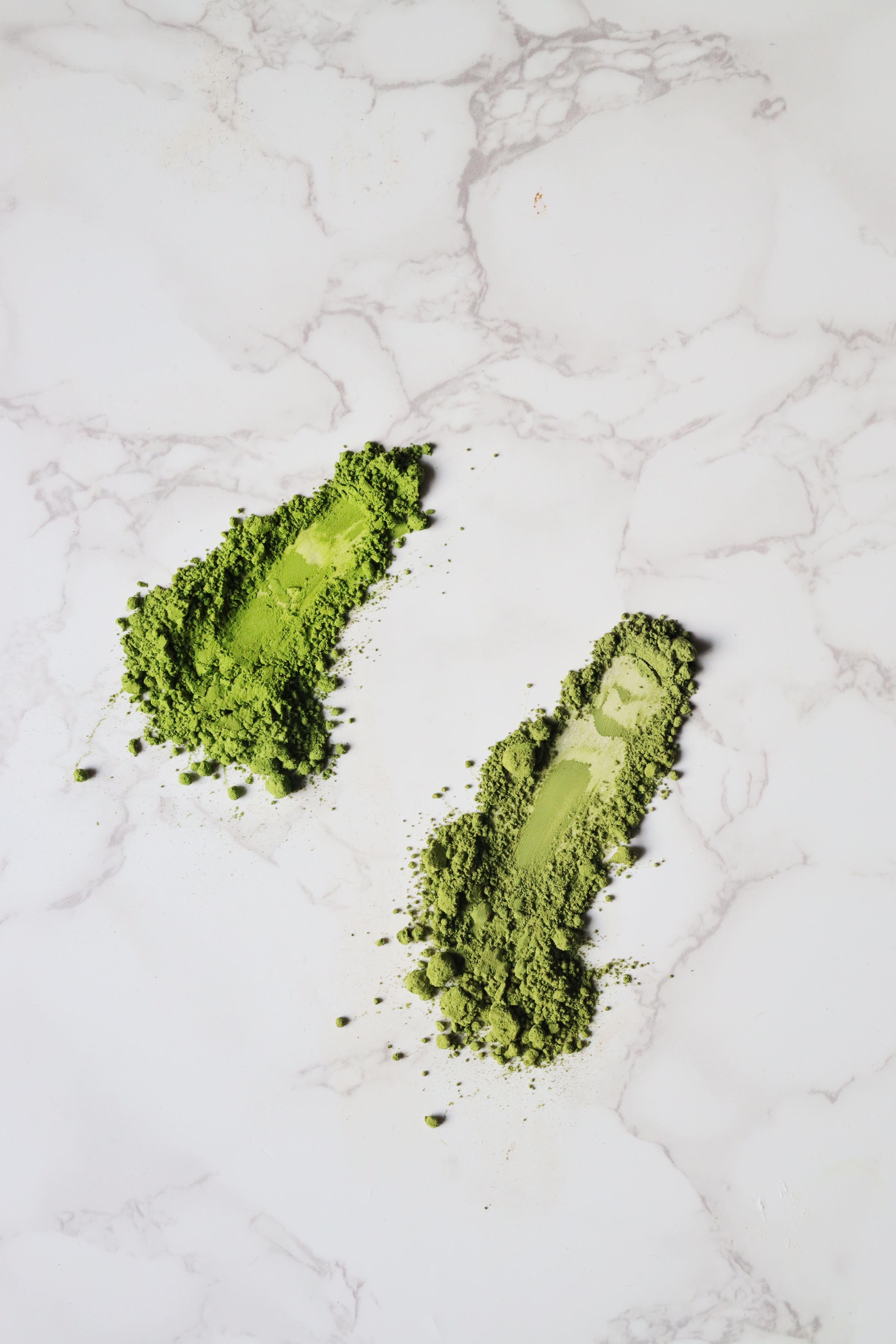
Colour: Fresh, carefully made matcha often has a vivid green colour, from bright jade to deeper emerald tones. Yellowish or brownish shades might suggest age or oxidation, although cultivars naturally differ in appearance.
Aroma and flavour: Look for fresh vegetal notes, balanced umami, natural sweetness and a pleasant finish. A harsh or stale character may point to poor storage or the wrong leaf selection.
Texture: Finely ground matcha should feel smooth rather than gritty and make a fairly even suspension when whisked.
Origin and cultivar: Japanese regions such as Uji, Yame, Shizuoka and Kagoshima have long tea-growing traditions. Individual cultivars, including Yabukita, Okumidori, Samidori and Seimei, bring different taste traits.
A single-cultivar matcha shows the unique traits of one type. Blends mix different cultivars to create a balanced flavor.
For a deeper look, explore AVANTCHA's Guide to Matcha Cultivars.
Why Is High-Quality Matcha Expensive?
Fine matcha takes time and skilled work. Farmers shade the plants before harvest, workers remove much of the picked material during refining, and traditional milling produces only a little powder at a time.
Take AVANTCHA's hand-plucked Uji Samidori. It comes from a sixth-generation tea farm in Uji where the family still shades the plants with straw. At the height of harvest, around 40 skilled pickers work in the gardens. Hand-picking on that scale is becoming less common.
A price tag can only tell you so much.
Look for a producer who can explain where the tea came from and how they made it.
How to Prepare Matcha at Home
To make matcha at home, start with 1.5 g of powder and about 70 ml of water. A splash of room-temperature water first makes it easier to work out the lumps before you whisk.
Traditional Matcha Preparation
Ingredients and equipment
- 1.5 g matcha powder
- 10 ml room-temperature water
- 60 ml water at 75°C
- Matcha bowl and bamboo whisk (chasen)
Method
- Warm the bowl and bamboo whisk with hot water, then empty the bowl.
- Add 1.5 g of matcha, sifting first if needed.
- Pour in 10 ml of room-temperature water and mix into a smooth paste.
- Add 60 ml of water heated to 75°C.
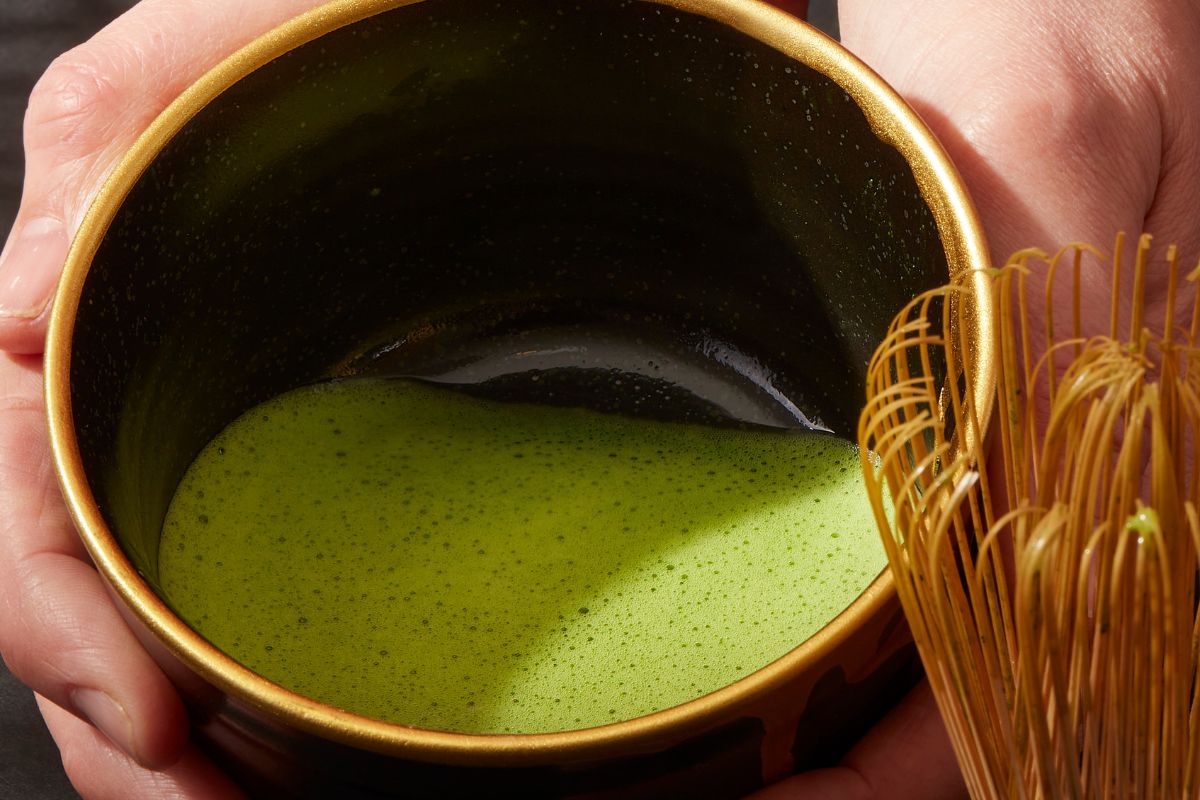
- Whisk briskly in a W-shaped motion until a fine, even foam forms.
If the foam looks a little uneven on your first try, taste it anyway. Getting the powder evenly mixed matters more to the cup than how the top looks.
What Is the Best Water Temperature for Matcha?
Around 70--80°C is a useful starting point for traditional matcha preparation.
This range often helps the tea's sweetness, umami and delicate aroma come through without making bitterness too strong.
If you normally pour straight from a boiling kettle, give the water a little time to cool. You may find the same tea tastes sweeter and less sharp.
Do You Need a Bamboo Whisk?
A bamboo whisk is the classic matcha whisk for preparing matcha with water. Its fine tines spread the powder evenly and create a delicate foam.
An electric whisk or milk frother also works, especially for everyday matcha lattes. For iced drinks, shaking or blending is another practical option.

How to Make a Matcha Latte
For a matcha latte, choose a tea whose flavour still comes through once you add milk. If you have ever made one that tasted mostly of milk, the tea and how much of it you use are good places to start.
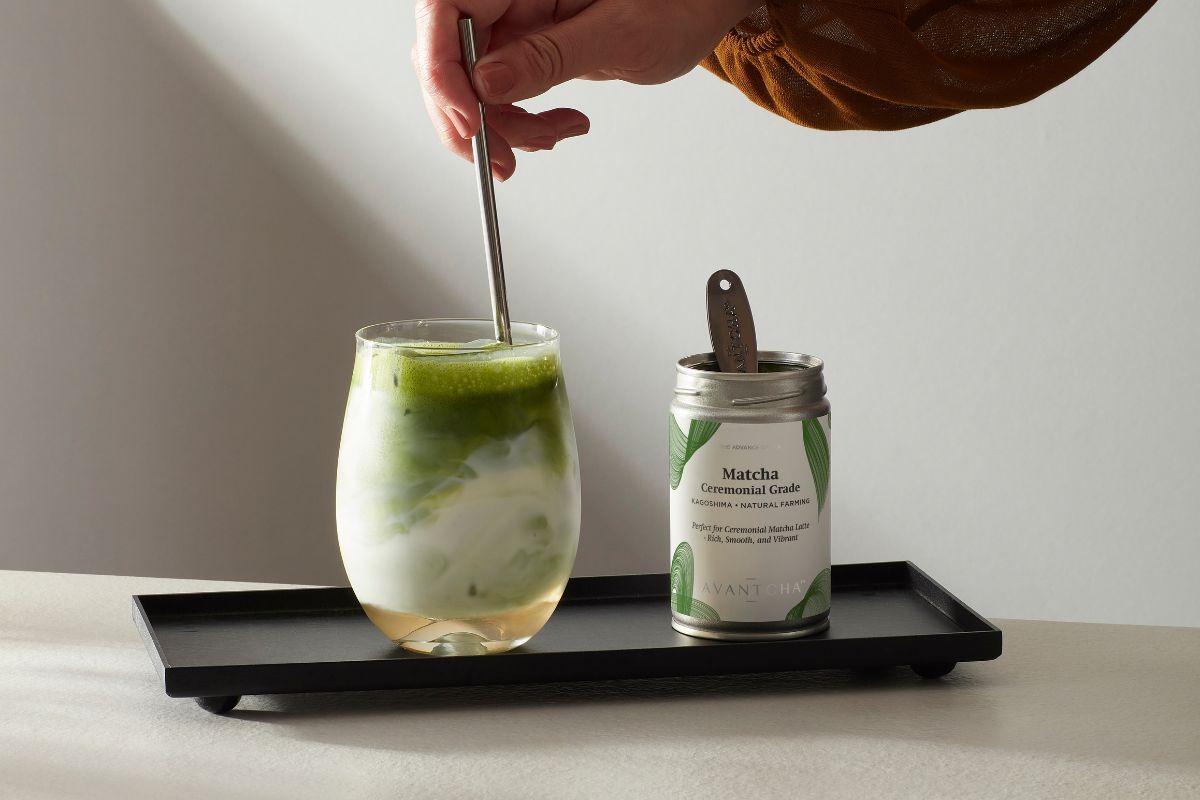
For milk-based drinks, AVANTCHA suggests using Matcha Ceremonial Grade Kagoshima Natural Farming. This blend is chosen for its natural sweetness and strong umami. It also keeps its flavor well when mixed with milk.
AVANTCHA Matcha Latte Recipe
Ingredients
- 4.5 g Matcha Ceremonial Grade Kagoshima Natural Farming
- 50 ml water at 75°C
- 150 ml milk of your choice
- Sweetener, if desired
Method
- Whisk 4.5 g of matcha with 50 ml of water at 75°C until smooth.
- Warm and froth 150 ml of milk.
- Combine the milk and prepared matcha, stirring gently before serving.
For an iced matcha latte, use cold milk and pour the prepared matcha over ice.
Whole milk gives the latte a rounder texture. Oat milk brings its own sweetness, and almond milk adds a little nuttiness. Try the first sip before adding sweetener, especially if you are using oat milk.
Explore AVANTCHA's Hot Matcha Latte and Iced Matcha Latte recipes.

Matcha vs Coffee: Caffeine, Energy and Focus
Matcha and coffee both contain caffeine, but the amount depends on the tea, serving size and preparation.
A traditional bowl of matcha often contains less caffeine than a cup of brewed coffee. Larger matcha lattes, however, might contain similar amounts or more.
How Much Caffeine Is in Matcha Compared with Coffee?
|
Drink |
Serving |
Approximate caffeine |
|---|---|---|
|
Matcha |
2 g powder |
29-70 mg |
|
Matcha latte |
4.5 g powder |
65-158 mg |
|
Filter coffee |
200 ml |
90 mg |
The matcha ranges are estimates based on published measurements across teas. The filter coffee figure is a reference serving from the European Food Safety Authority (EFSA).
Look at the amount of powder when you compare drinks. A small bowl whisked with water and a café latte can contain different amounts of caffeine.
Does Matcha Provide Different Energy from Coffee?
One difference is L-theanine. This amino acid is found in tea and is linked to its umami flavor.
Researchers have studied L-theanine alongside caffeine for possible effects on attention and cognitive performance.
Research has found modest gains in some attention measures, often using isolated caffeine and L-theanine. That makes it hard to say what you would notice from a bowl of matcha.
Some drinkers describe matcha as providing a gentler caffeine experience than coffee, but this is not guaranteed. L-theanine does not remove caffeine-related restlessness or prevent sleep disruption.
Is Matcha Healthier Than Coffee?
Matcha and coffee can both fit into a varied diet. Which suits you depends partly on how you take it and how you respond to caffeine.
Matcha has tea polyphenols, caffeine, and L-theanine. Coffee has its own active compounds, like chlorogenic acids.
What Are the Matcha Benefits?
Matcha contains naturally occurring compounds that have drawn scientific interest, especially catechins, caffeine and L-theanine.
Catechins, including EGCG, have protective effects and have been studied in relation to several biological processes.
Researchers have also looked at caffeine and L-theanine for their possible effects on attention and alertness.
However, the presence of these compounds does not automatically prove specific health benefits from drinking matcha.
Much of the available research concerns green tea extracts or isolated compounds rather than matcha consumed as a drink. You should not read the results from these studies as the same as the effects of a normal cup of matcha.
Does Matcha Help With Weight Loss?
Matcha is often linked with how the body uses energy and weight loss, but there is no reliable evidence that drinking it specifically burns belly fat.
Research on green tea catechins and caffeine shows small effects on body weight in some cases. However, results differ, and many studies use concentrated extracts.
Is It Safe to Drink Matcha Every Day?
For most healthy adults, moderate daily matcha use fits within a balanced diet.
One or two traditional servings, each made with about 1--2 g of matcha, offer a sensible starting point. The right amount depends on caffeine sensitivity and intake from other sources.
EFSA says total daily caffeine intake of up to 400 mg does not raise safety concerns for most healthy adults.
Are There Any Side Effects?
Because matcha contains caffeine, too much may add to restlessness, anxiety, palpitations or sleep disruption.
Some people get stomach discomfort when drinking matcha on an empty stomach. Tea polyphenols can lower the absorption of non-haem iron when eaten with meals. This is important for people who have iron deficiency.
During pregnancy, EFSA advises limiting total caffeine intake to 200 mg per day from all sources. People taking medication or managing medical conditions should follow professional advice.
How to Choose the Best Matcha for You
Start with how you like to drink it. If you usually whisk matcha with water, you will notice a delicate aroma and fine texture. For a latte, a fuller, sweeter tea can hold its own beside milk.
At AVANTCHA, we examine where a tea comes from, identify the cultivars that enter it, and explore how to make it, then we taste it in the ways you might prepare it at home.
Exploring AVANTCHA's Matcha Collection
Matcha Ceremonial Grade Yame - Yabukita
From Yame in Fukuoka, this single-cultivar matcha has a velvety, nutty character with delicate notes that recall white chocolate. Its easygoing flavour makes it suitable for traditional preparation and premium lattes.
Matcha Ceremonial Grade Kagoshima Natural Farming
A blend of Yabukita, Okumidori, Okuyutaka and Zairai cultivars from Kagoshima. Smooth, sweet and rich in umami, it suits matcha lattes and creative drinks especially well.
Organic Matcha Ceremonial Grade Fuji
This organic matcha is grown in Shizuoka, near Mount Fuji. It combines different types of tea plants. This creates a rich flavor with strong umami, fresh green notes, and hints of minerals.
Matcha Ceremonial Grade Uji Samidori Hand Plucked
A hand-plucked matcha from a sixth-generation tea farm in Uji. Its creamy texture, rich umami and delicate floral notes are especially rewarding when prepared simply with water.
If you are choosing between two, try whisking them the same way and tasting them side by side. Often, that is the quickest way to figure out what you want to drink again.

 All Rights Reserved. © AVANTCHA 2026