
How to Brew Green Tea Well
Bitter green tea is a brewing problem. The leaf is almost never at fault unless the quality is really that bad. The secrets to brewing sweet, succulent green tea. howver, are remarkably simple.
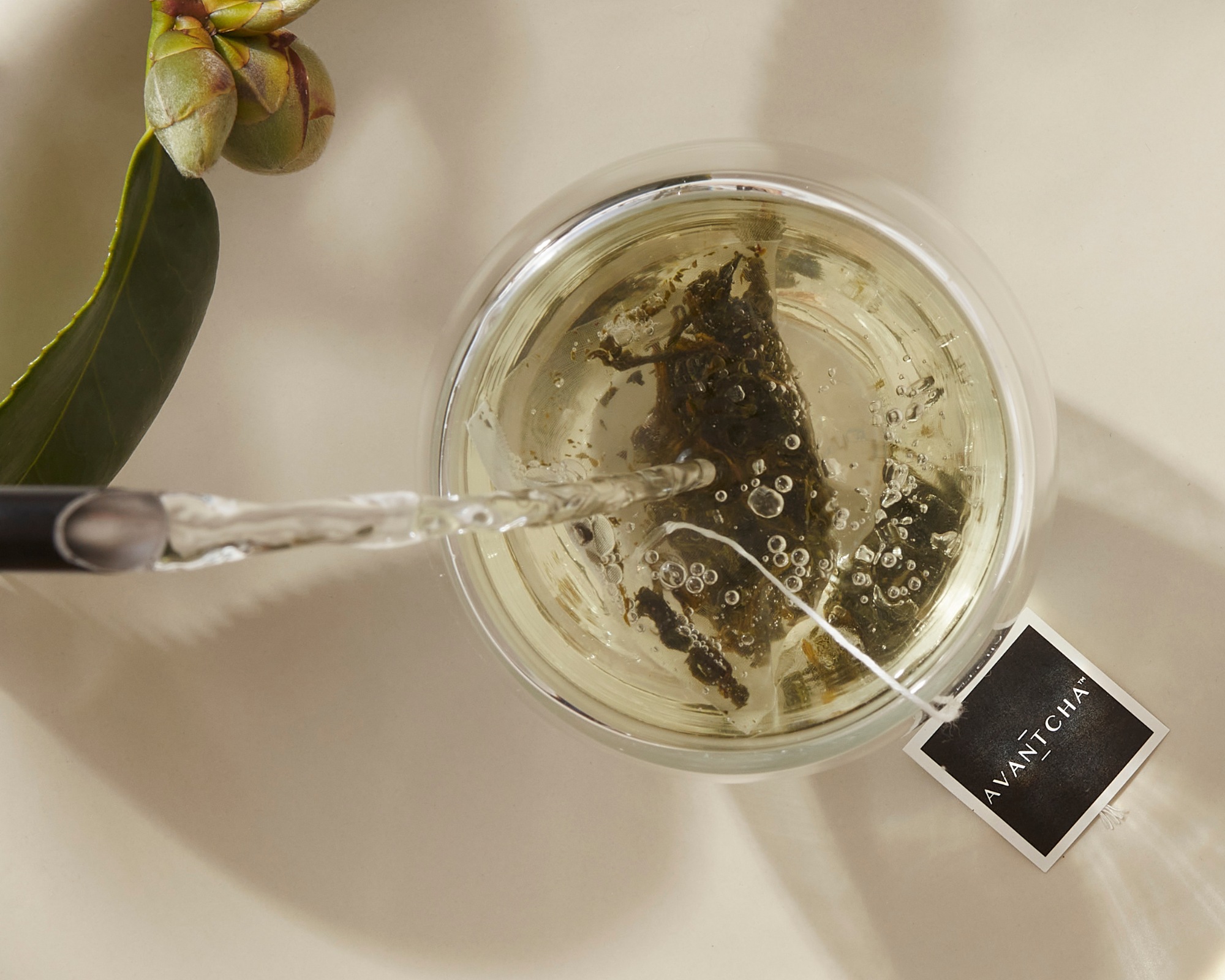
Green Tea & Water Temperature
Temperature is the variable that matters most, and the one most commonly ignored. Green teas are brewed at lower temperatures than black tea, generally between 60–80°C depending on the variety, because the compounds that give them their character are also the first to turn astringent under excessive heat. A Gyokuro brewed at boiling point does not taste bold. It tastes wrong.
Gyokuro wants water at around 60°C. At that temperature, steeped for two minutes, it opens into something sweet, oceanic, and layered. Jasmine Phoenix Pearls brew best at 80°C, warm enough to unfurl the pearls fully and release their soothing natural fragrance without scorching it. The instructions on each AVANTCHA product specify the correct temperature for that tea. They are there because they were tested again and again to confirm the best results.
Fresh, filtered water makes a difference too. Heavily chlorinated tap water flattens a green tea before it has had a chance to develop. Bottled water can be good too, though look for one that isn't too heavy on the minerals. A brand like Highland Spring that is balanced in flavour is best.
Green Tea & Steeping Time
Japanese and Chinese green teas want different things when it comes to preparation, and treating them the same is where most people go astray.
Japanese green teas are brewed short. Sencha and Gyokuro both want two minutes. The leaf is delicate, the flavour extracts quickly, and anything beyond two minutes pulls bitterness. Gyokuro especially rewards restraint. Start with two minutes and take it from there to find your sweet spot.
Chinese green teas are more forgiving. Three minutes works well for Longjing, Gunpowder, and Genmaicha, with room to adjust if you want more body.
In both cases, shorten before you lengthen. You can always add time.
If you are brewing in a teapot, decant fully when the steep is done. Flavour concentrates toward the bottom of the pot, and an incomplete pour gives you two different cups from the same brew. If using teabags, take them out of the pot or cup, unless you like something stronger.
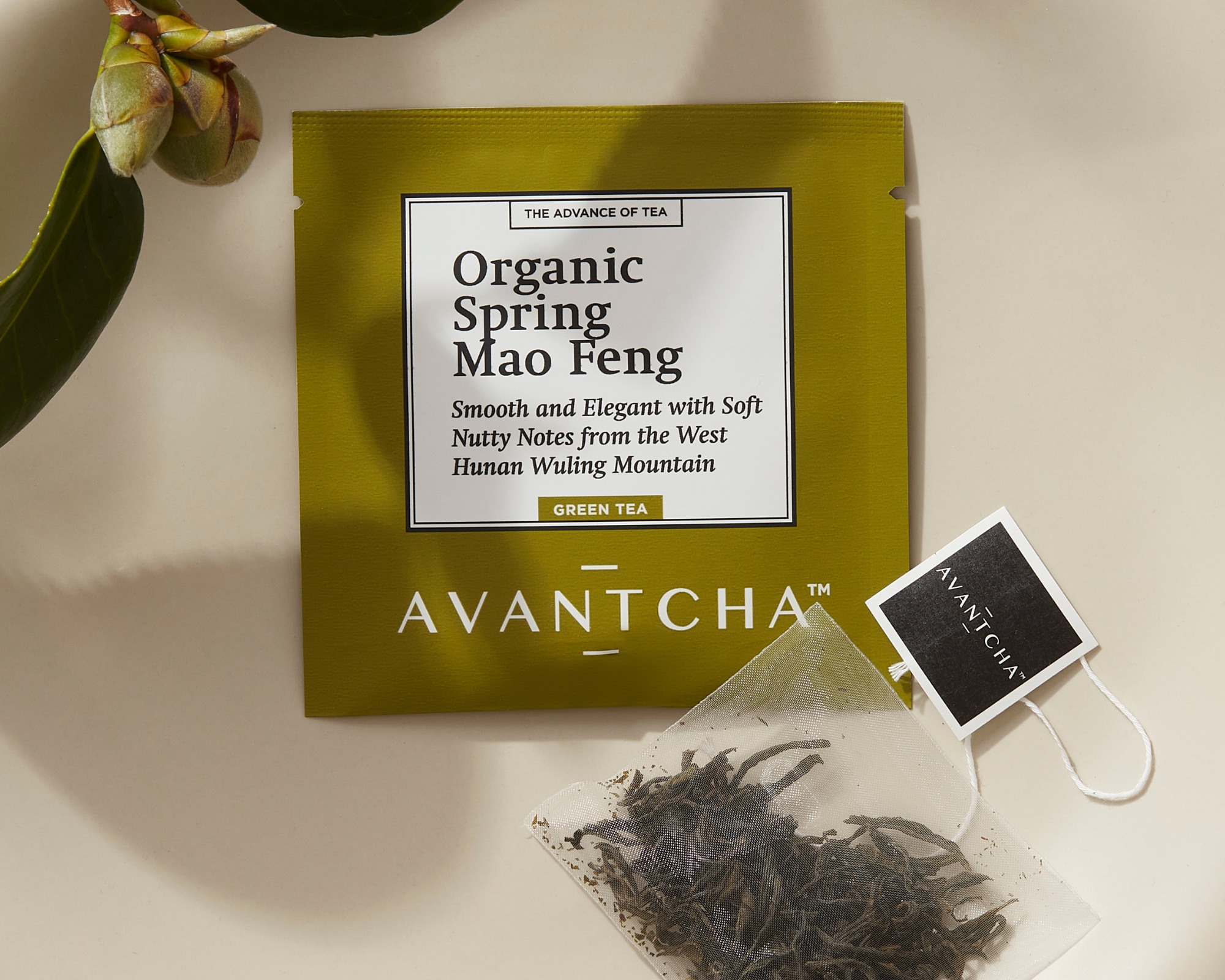
Green Tea Teabags
A teabag is not a compromise, provided the tea inside it is worth drinking. AVANTCHA teabags use the same leaf as the loose collection, sealed individually rather than packed together in an open box, which means the tea you reach for on a Tuesday morning is in the same condition as the tea you opened on Saturday. Brew them the same way: correct temperature, correct time, decant if you are making a pot.
Green Tea Storage
Green tea is more vulnerable to its environment than black tea. Its lighter processing leaves it exposed to air, moisture, heat, and light in ways that a fully oxidised leaf is not, and it degrades faster than most people expect. Keep it in a dark, airtight tin, away from anything with a strong smell. A tin stored next to coffee or spices will eventually taste of them. Our tea caddies are designed for exactly this.
Storing Green Tea in the Fridge
High-grade Japanese teas, particularly Gyokuro and first-flush Sencha, are routinely refrigerated in Japan to extend their freshness window. If you choose to do this, the tea must be in an airtight container, and it must return fully to room temperature before you open it. A cold tin brought into a warm kitchen will draw condensation the moment it is opened, introducing exactly the moisture you are trying to keep out. For most everyday green teas, a cool, dark cupboard is sufficient. For a hand-plucked Gyokuro or a ceremonial Matcha you plan to keep for several months, refrigeration is worth the extra care.
Green Tea - Cold Brew and Iced Tea
Green tea works well cold, but the method determines the result. Pouring hot green tea over ice tends to mute the character of the leaf and can produce a flat, faint cup but a flavoured green tea like Tropical Green has enough natural sweetness to shine through. Cold brew, where the leaf is steeped slowly in cold water over several hours, extracts different compounds entirely, and the result is often cleaner and sweeter than a hot brew of the same tea. From 1 to 8hrs in the fridge (depending on the tea) with good loose leaf is sufficient. Sencha, Gyokuro, and Jasmine Phoenix Pearls are all well suited to it. The brew keeps in the fridge for up to two days so long as it is separated from the leaf.
Read guide to cold brew tea here
What about Matcha?
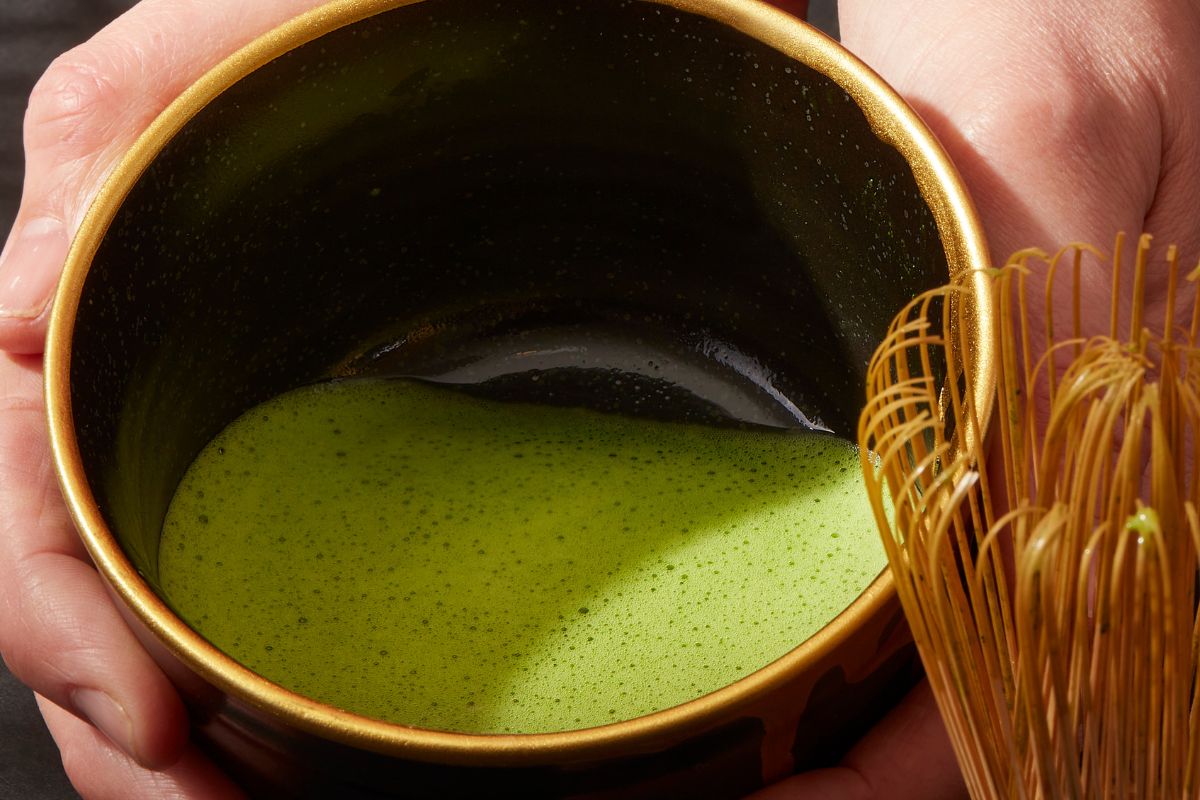
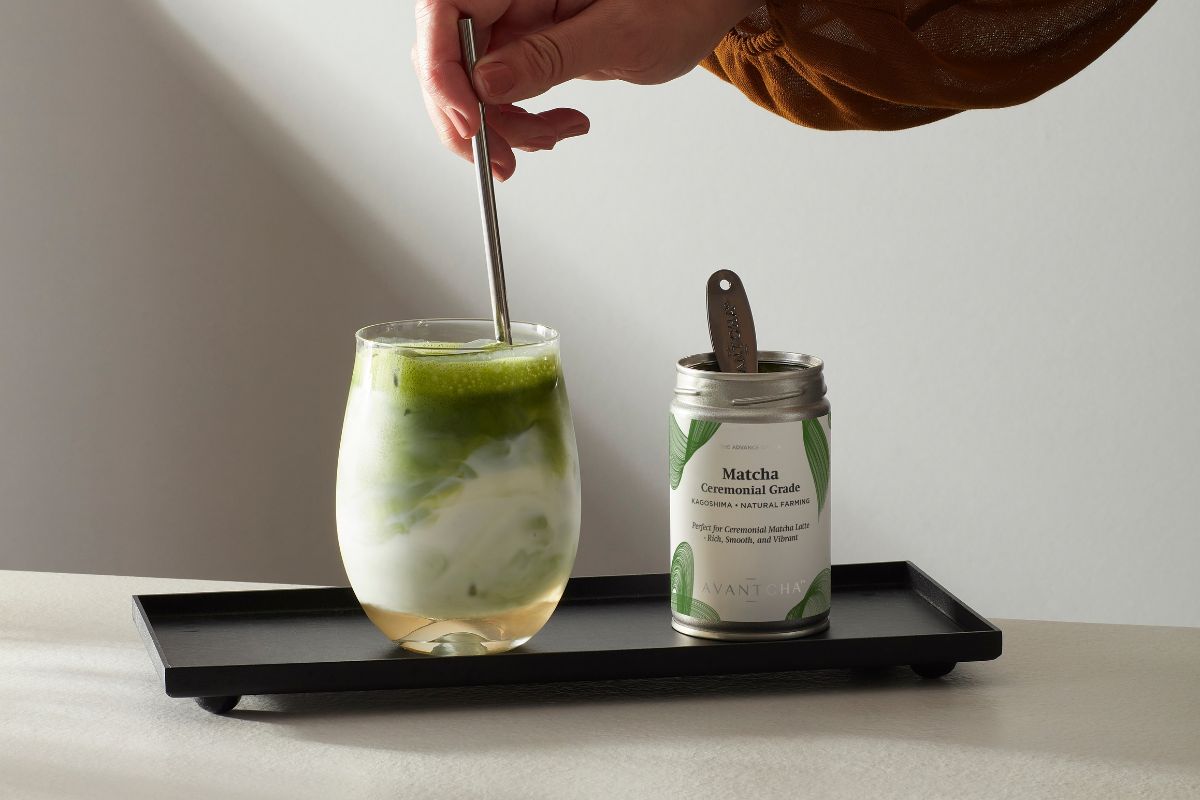
Matcha follows its own logic entirely. The preparation, the grades, the equipment, and the ratios are all specific enough to reward their own dedicated reading. Our Matcha guide covers everything you need to know.

 All Rights Reserved. © AVANTCHA 2026