
“Bold” and “umami-rich” are used so often to describe matcha that they can start to sound interchangeable, but they mean quite different things.
Umami is a taste: savoury, rounded and often lingering. Boldness is more about intensity. A matcha can have extraordinary depth of umami without tasting particularly forceful, while another can be strongly vegetal or bitter without the same savoury quality.
Taste a few matchas side by side and the difference becomes fairly obvious. Our Uji Samidori is creamy, sweet and deeply vegetal. Yame Yabukita is nuttier, smoother and more chocolatey. Fuji has a more mineral, complex character. Kagoshima is sweeter and fuller, with enough strength to work particularly well with milk.
All four contain plenty of umami, but it comes through quite differently in each.
What Does Umami Taste Like in Matcha?
Umami is one of the five basic tastes, alongside sweet, sour, salty and bitter. It is most closely associated with glutamate, although the broader amino-acid composition of tea also contributes to the way we perceive sweetness and savoury depth.
In matcha, umami might remind you of spinach (but in a good way, trust us on this one), steamed greens or something slightly marine. In another matcha, it can sit behind nutty sweetness, flowers or minerality. Texture plays a part too. A very creamy matcha can make that savoury quality feel fuller and linger longer on the palate.
This is why “high umami” tells you something, but not quite enough to know whether you will like the matcha. What matters is how that umami sits alongside the other flavours in the cup.
What Makes Matcha Taste Umami-Rich?
Shading
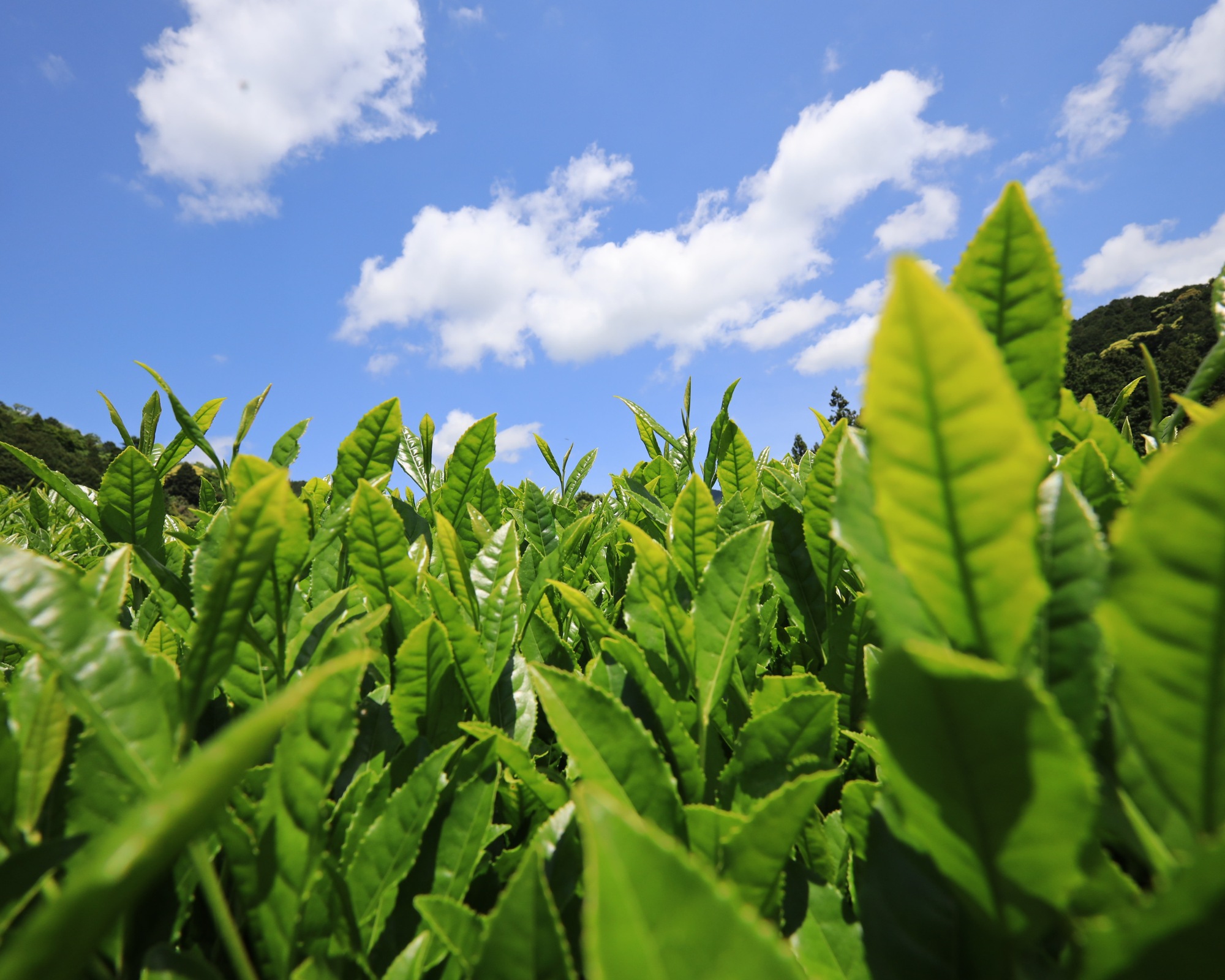
Tea grown for matcha is shaded before harvest. With less sunlight reaching the plant, the composition of the leaf changes. Amino acids including theanine and glutamate are preserved at higher levels, while shading also affects catechins, chlorophyll and other compounds that influence sweetness, bitterness, colour and aroma.
The details vary between producers. Our Yame Yabukita, for example, is shaded for three weeks. The tencha used for our Uji Samidori is grown under traditional straw shading. These details are worth looking for, calling it “Premium matcha” tells you very little about how the tea was actually grown, and the resultant quality.
Harvest
First-harvest leaves are especially valued for high-quality matcha. The spring harvest gives producers young, tender leaves that have developed after the plant’s winter dormancy. All of the matchas in the current AVANTCHA collection use first-harvest tencha.
First harvest alone is not a guarantee of quality. The cultivar, garden, shading, processing and storage still have an enormous influence on the finished tea, but harvest timing is an important part of the picture.
Cultivar
Cultivar is one of the most useful things to know when comparing matcha.
Tea is made from Camellia sinensis, but within the species are many cultivated varieties, each selected over time for particular qualities. Their differences show up clearly in matcha.
Our Yame Matcha is made entirely from Yabukita, so you are tasting one cultivar from one origin. Fuji combines Yamanoibuki and Okumidori. Kagoshima takes a different approach again, blending Yabukita, Okumidori, Okuyutaka and Zairai to create a particular flavour profile.
Neither approach is inherently better. A single cultivar lets you explore its character very directly, while a blend allows the producer to build towards a specific result.
Origin
Origin matters, but we would not use it as a shortcut for flavour. Uji, Yame, Shizuoka and Kagoshima all have distinct growing conditions and tea-making traditions, but plenty can change from one garden to the next. Cultivar, shading, harvest and processing may be just as significant.
So rather than assuming that all Uji matcha tastes one way, it is more useful to know that a particular Uji matcha is Samidori, straw-shaded and hand-plucked. The more specific the information, the more useful it becomes.
Processing and Milling
Once harvested, leaves destined for matcha are steamed to halt oxidation and processed into tencha. The stems and veins are removed before the leaf is milled into powder. All AVANTCHA matchas are finely stone-milled.
The fineness of the powder is important because matcha is consumed as the whole ground leaf. A very fine powder disperses more smoothly in water and gives a softer texture in the mouth.
Milling cannot add umami to a leaf that did not have it in the first place. It is one of the final steps in preserving and presenting the work already done in the field.
What Can Matcha Colour Tell You?
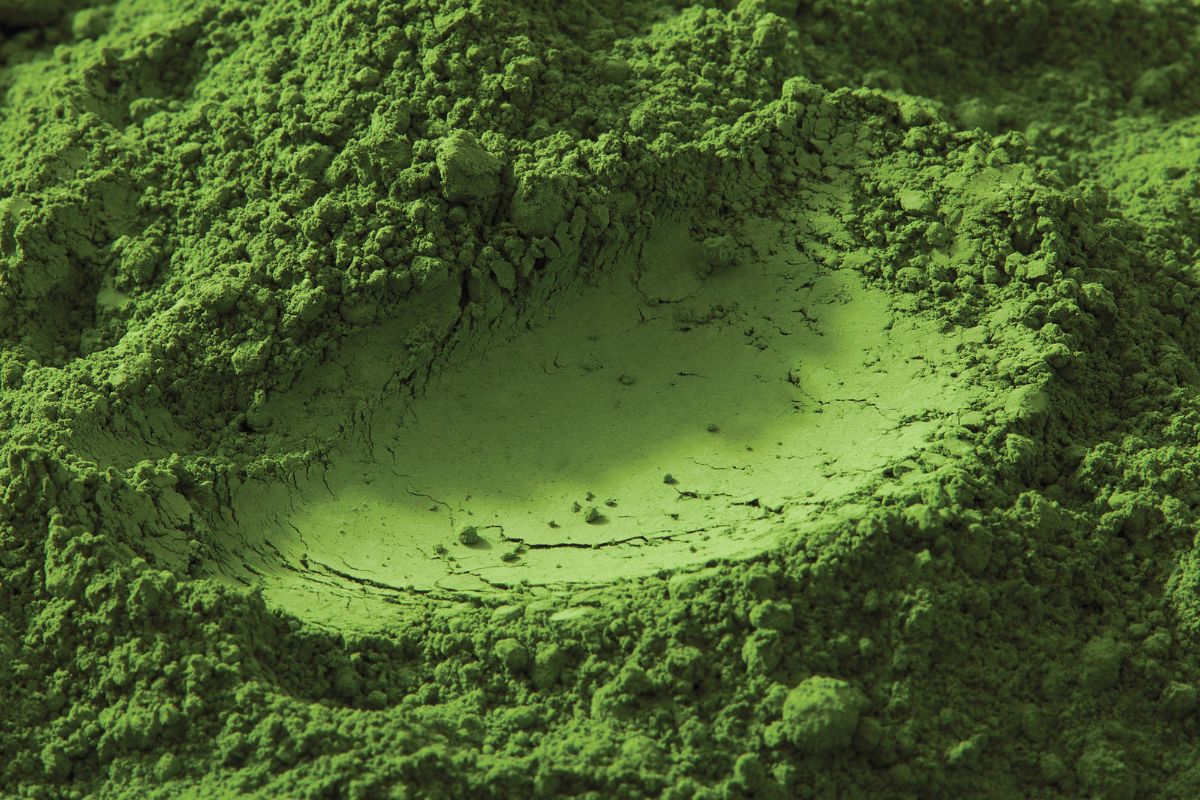
Colour is useful, but it needs some context. Good matcha is usually a lively green. Shading increases chlorophyll in the leaves, while careful processing and storage help preserve that colour.
A powder that has become noticeably yellow, brown or dull may have aged or been exposed to too much heat, light or air.
What we would not do is line up two good matchas and decide that the brightest one must automatically be better. Cultivar and production affect colour too. Look at it alongside aroma, texture, provenance and taste rather than treating green colour as a grading system on its own.
Which Matcha Is Best for Umami Flavour?
The easiest way to understand umami in matcha is to taste how differently it can show up.
Uji Samidori: Creamy, Vegetal and Deep
Our Matcha Ceremonial Grade Uji Samidori Hand Plucked comes from a sixth-generation tea-growing family in Uji.
The Samidori tencha is grown under traditional straw shading and hand-plucked, which is increasingly rare in modern Japanese tea production.
It is exceptionally creamy and sweet, with deep vegetal umami, spinach and spring blossom.
We prefer to drink this one with water. There is too much going on to cover it with milk.
For someone looking for a particularly deep, creamy expression of umami, Uji Samidori is our first choice.
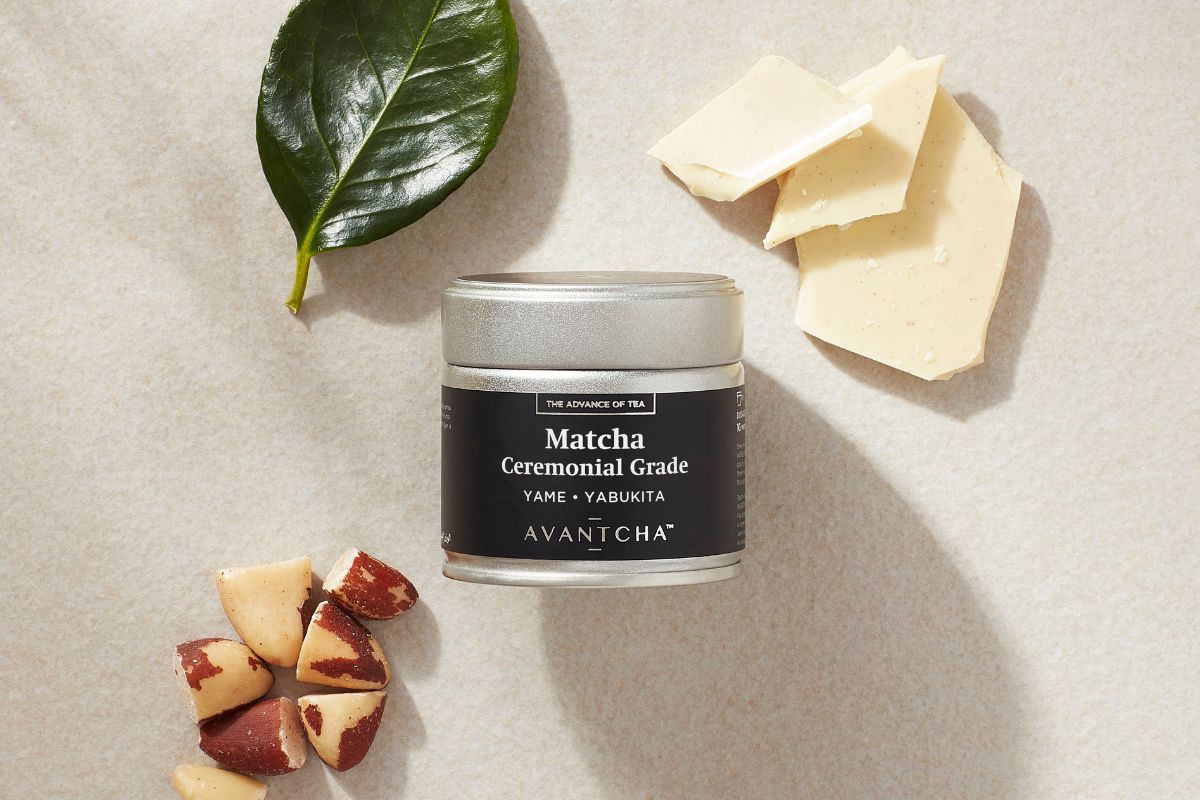
Yame Yabukita: Nutty, Chocolatey and Sweet
Our Matcha Ceremonial Grade Yame Yabukita comes from Yame in northern Fukuoka and is made entirely from the Yabukita cultivar.
The tencha comes from the first spring harvest and is shaded for three weeks before picking.
Its flavour is immediately appealing: nutty and chocolatey, with a velvety texture, plenty of sweetness and rounded umami.
Because it is a single-cultivar matcha, it is also a good place to start if you want to understand what cultivar can contribute to flavour.
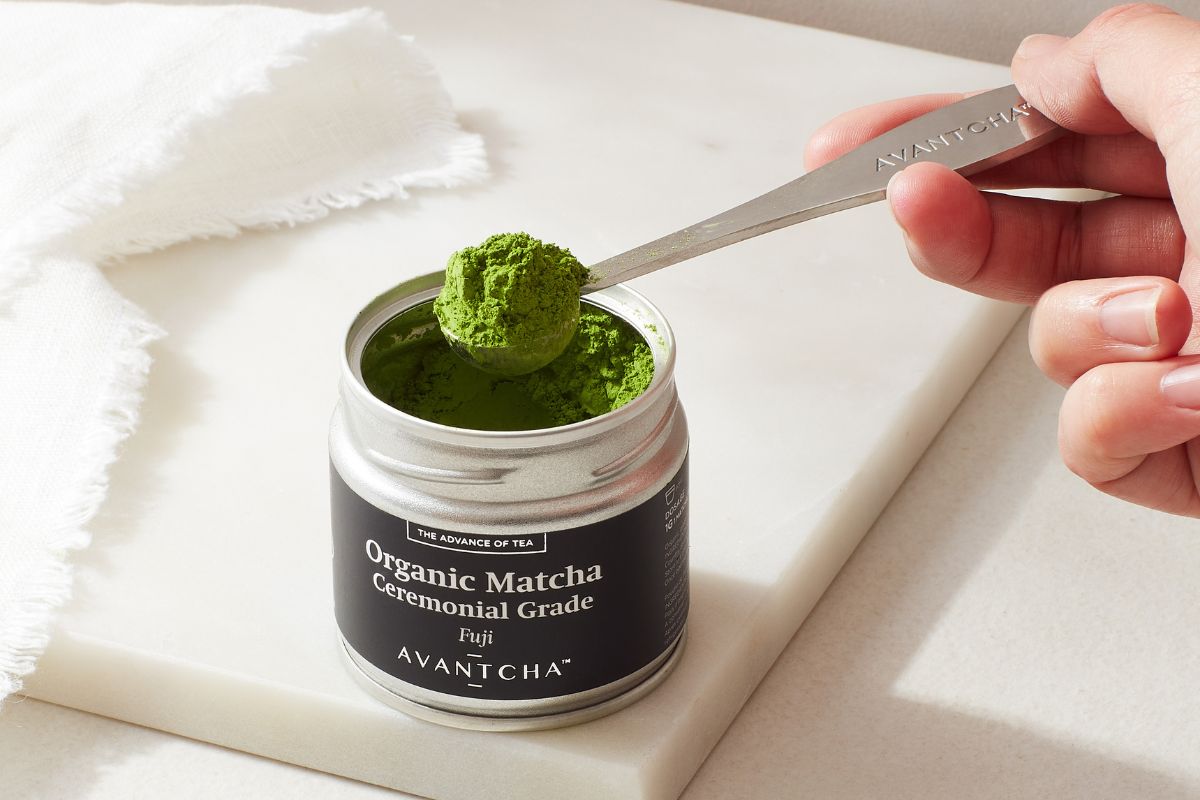
Fuji: Complex, Mineral and Sweet-Umami
Our Organic Matcha Ceremonial Grade Fuji is grown in Shizuoka at the foothills of Mount Fuji and combines first-harvest Yamanoibuki and Okumidori.
Fuji is quite different from the creaminess of Samidori or the nuttiness of Yabukita.
It is more mineral and robust, with sweetness, umami and gentle bitterness giving the tea a firmer structure.
It also works for both usucha, the thinner traditional preparation, and koicha, the thick form of matcha used in Japanese tea ceremony.
For someone who likes a matcha with complexity and a little more grip, Fuji is particularly interesting.
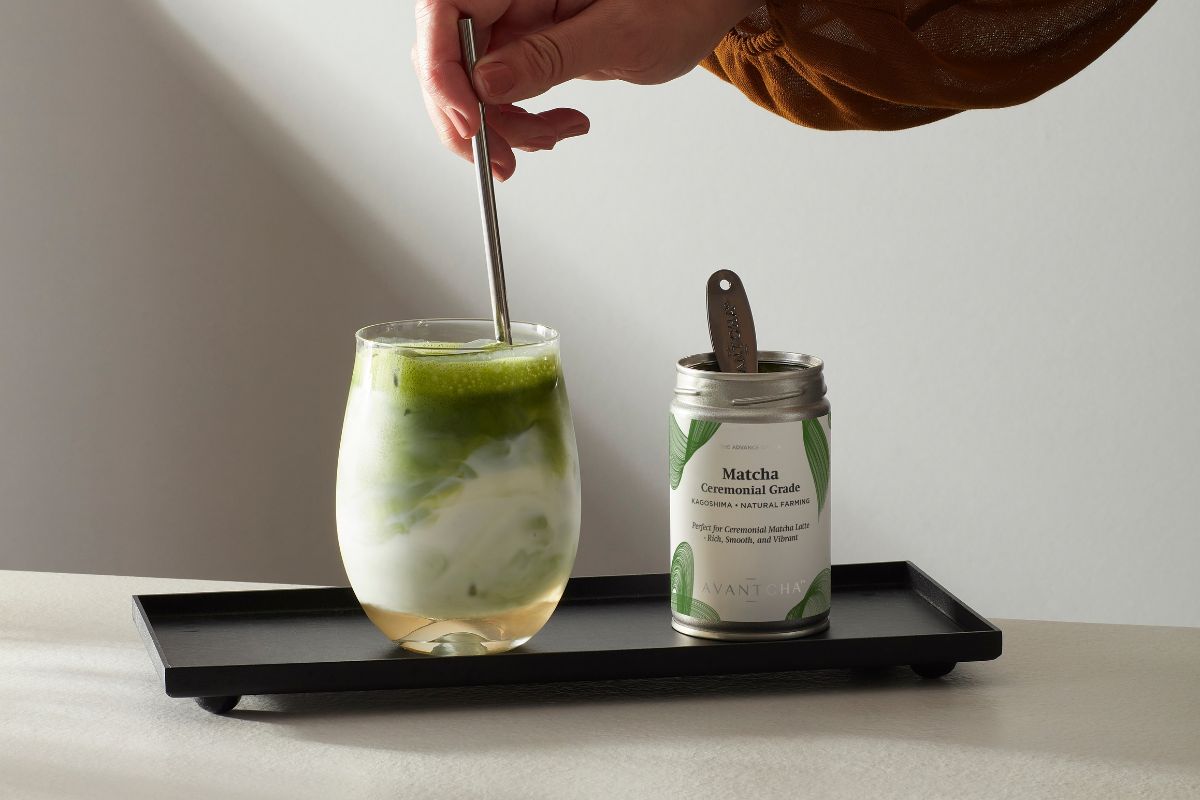
Kagoshima: Smooth, Sweet and Made for Milk
Our Matcha Ceremonial Grade Kagoshima Natural Farming combines Yabukita, Okumidori, Okuyutaka and Zairai from first-harvest tencha grown in Kagoshima.
It was blended with speciality drinks in mind.
The flavour is creamy, rich and naturally sweet, with enough strength to remain clearly recognisable once milk or other ingredients are added.
That is why it is the matcha we most often use for lattes.
In this case, the aim is not simply to create the most intense umami possible. It is to balance sweetness, savouriness and strength so that the finished drink still tastes unmistakably of matcha.
AVANTCHA’s Matcha Collection includes matchas from these regions, while the Ultimate Guide to Matcha looks more closely at the role of origin, cultivar and processing.
How to Taste-Test Matcha at Home
If you have more than one matcha at home, prepare them side by side.
Use the same amount of powder, the same quantity of water and the same temperature. Around 70°C is a useful starting point for comparison, although each matcha may have its own preferred preparation temperature.
Look at the powder first and smell it before adding water. Depending on the matcha, you might notice steamed greens, flowers, nuts, something marine or a more mineral aroma.
Sift the powder, add the water and whisk briskly in an M or W motion until a fine layer of foam forms.
Then taste without trying too hard to find the “correct” answer.
Is it sweet? Nutty? Green? Floral? Mineral? Is there bitterness? How creamy does it feel? And once you swallow, what remains?
That last part is particularly useful with umami. A deeply savoury matcha often leaves flavour behind rather than disappearing immediately.
Bitterness is not necessarily a fault. Some of the matchas we like most have a little bitterness. The question is whether it sits comfortably alongside the sweetness, aroma and umami.
For normal drinking rather than comparative tasting, follow the recommended recipe for the individual matcha. Fuji, for example, is one we prepare at a lower temperature than several others in our range.
Finding the Matcha You Like
There is no reason that the matcha with the deepest umami has to become your favourite.
You may prefer the nutty sweetness of Yame Yabukita to the more vegetal Uji Samidori. Fuji’s minerality may be exactly what you like. Or you may drink matcha almost exclusively as a latte, in which case Kagoshima will probably make more sense as an everyday choice.
Understanding cultivar, harvest, shading and processing simply gives you a better idea of what you are buying and why it tastes the way it does.
Once you have tasted a few different matchas, “umami-rich” becomes a much more useful description.
FAQs
Which matcha is best for umami flavour?
For a particularly deep, creamy and vegetal expression of umami, we would choose Uji Samidori. Yame Yabukita is nuttier and sweeter, while Fuji combines strong umami with greater minerality and structure. For a latte, we prefer Kagoshima Natural Farming, whose sweetness and savoury character remain clear through milk.
What gives matcha its umami taste?
Umami in matcha comes largely from free amino acids in the leaf, particularly glutamate, while theanine and other amino acids also contribute to its sweet and rounded character. Shading before harvest helps preserve these compounds and changes the balance between sweetness, savouriness, bitterness and astringency.
Does brighter green mean better matcha?
Not necessarily. A lively green colour can be a good sign because shading increases chlorophyll and careful storage helps preserve it, but cultivar and production also affect colour. We look at colour together with aroma, texture, provenance and taste rather than using it as a quality score by itself.
Is bitter matcha bad quality?
No. Some bitterness is natural in matcha and can give the tea structure. In a balanced matcha, it should sit comfortably alongside sweetness, aroma and umami rather than making the finish harsh or excessively dry. Water that is too hot can also make bitterness and astringency more pronounced.
Does ceremonial grade mean a matcha will have more umami?
Not automatically. “Ceremonial grade” is not a protected or officially standardised classification, so the phrase alone tells you relatively little about how a matcha will taste. Cultivar, harvest, shading, origin, processing and storage are much more useful details to look at.
How do I know if matcha is fresh?
Look for a clean aroma, fine texture and lively green colour appropriate to the cultivar. Once opened, matcha should be protected from heat, light, air and moisture. At AVANTCHA, we recommend keeping it tightly sealed in the fridge to help preserve its colour, aroma and flavour.

 All Rights Reserved. © AVANTCHA 2026