
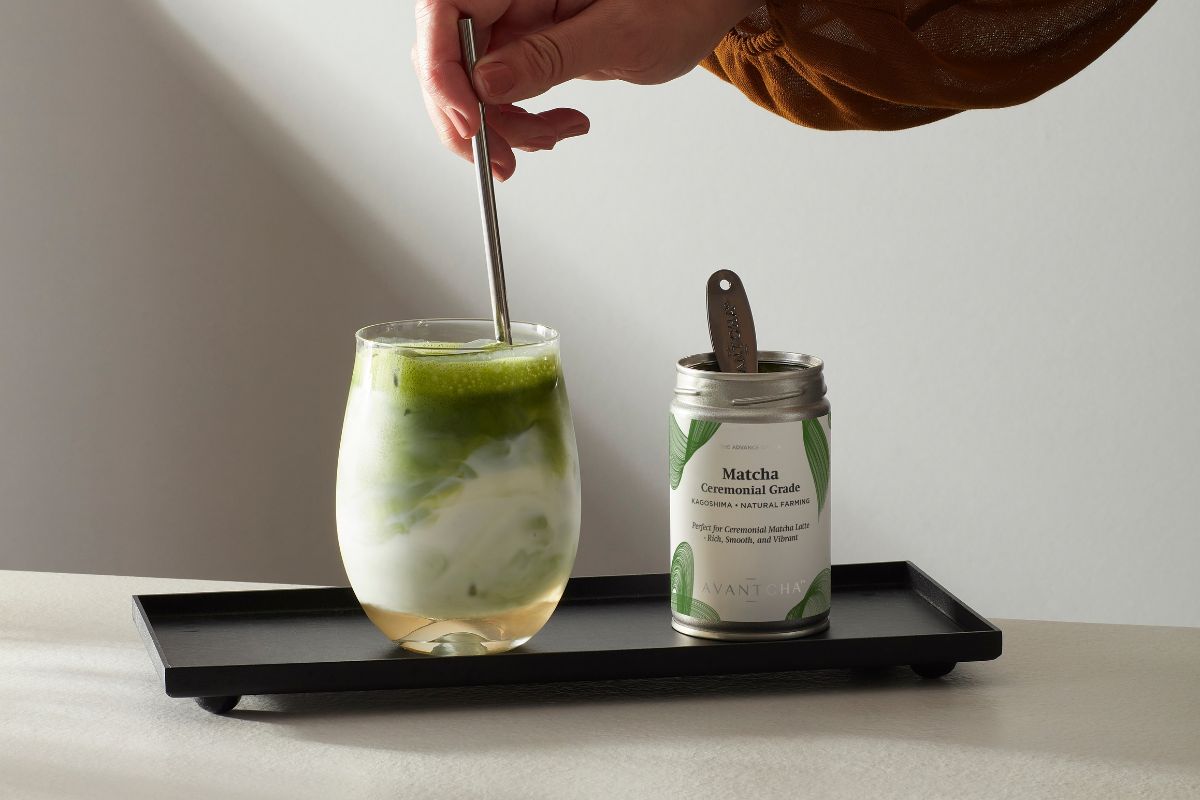
Choosing matcha for an iced drink starts with what you plan to make.
For an iced latte, we usually look for a matcha with enough body and depth to remain distinctive once milk and ice are added. For a ‘clear’ preparation, such as iced matcha with coconut water, a Matcha Americano or a matcha yuzu, we tend to choose differently. Without milk in the way, there is more opportunity to taste the subtle nuances in character of the matcha, including differences in cultivar, origin and flavour profile.
This is why we do not think there is one matcha that is best for every iced drink. Our Kagoshima Natural Farming Matcha, for example, was blended specifically to work well with milk and is the one we most often reach for when making a latte. Other matchas in our range, including Yame Yabukita, Fuji and Uji, have more distinctive individual profiles that are particularly interesting when prepared with water or used in lighter mixed drinks.
Preparation also makes a difference. Matcha is finely milled tea leaf, so it does not dissolve in the way an instant powder would. It needs to be dispersed properly through the liquid to create an even texture.
A bamboo whisk is the traditional option, but it is not the only one. We also use an electric whisk, a shaker and, for drinks with several ingredients, a blender. Each method suits a slightly different kind of preparation.
What Makes a Matcha Good for Iced Drinks?
“Ceremonial grade” appears on a great deal of matcha today. It is generally used to describe matcha intended for drinking rather than cooking, but it is not a protected classification and there is no single official standard behind the term.
For that reason, we prefer to look beyond the words on the tin.
Origin, cultivar, harvest, shading, processing, milling and storage all tell you more about the matcha you are buying.
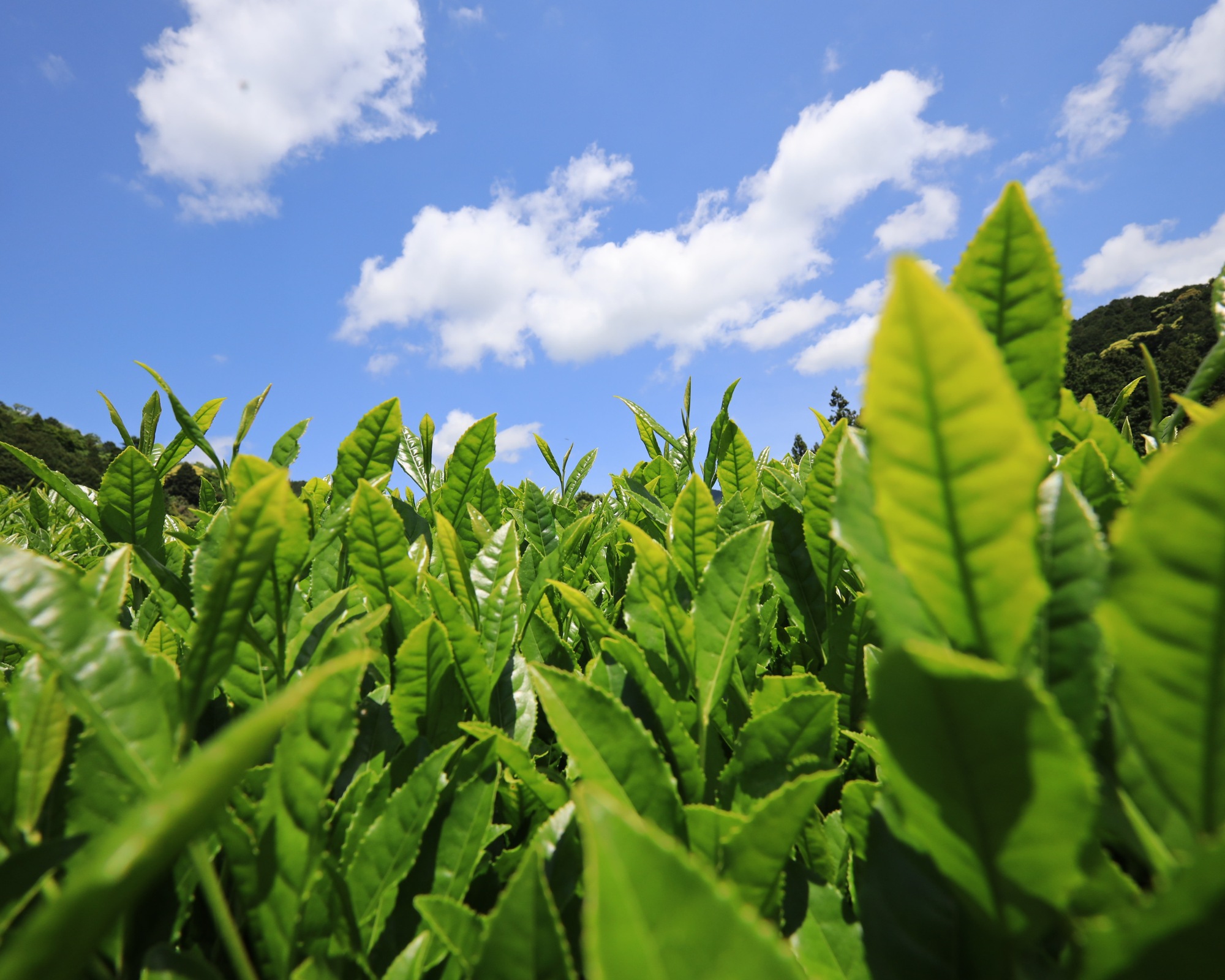
Higher-quality matcha is generally made from tender tencha leaves, often from the first harvest. The tea plants are shaded before picking, an important part of matcha production that influences the balance of sweetness, umami, bitterness and astringency in the finished tea.
Young, carefully grown leaves tend to produce a finer and more balanced cup, with the sweetness and savoury character that good matcha is known for.
All of the matcha in AVANTCHA’s current range is ceremonial grade, but we do not treat that description as the end of the story. We look at where the tea was grown, the cultivar or blend of cultivars, how it was farmed and processed, and how we think it is best enjoyed.
Our matcha is also traditionally stone-milled into an extremely fine powder. That fineness contributes to a smoother mouthfeel and makes the matcha easier to disperse evenly through water.
The Best Matcha Depends on What You’re Making
If you are choosing matcha for an iced drink, one of the most useful questions is also one of the simplest:
Are you adding milk?
Best Matcha for an Iced Matcha Latte
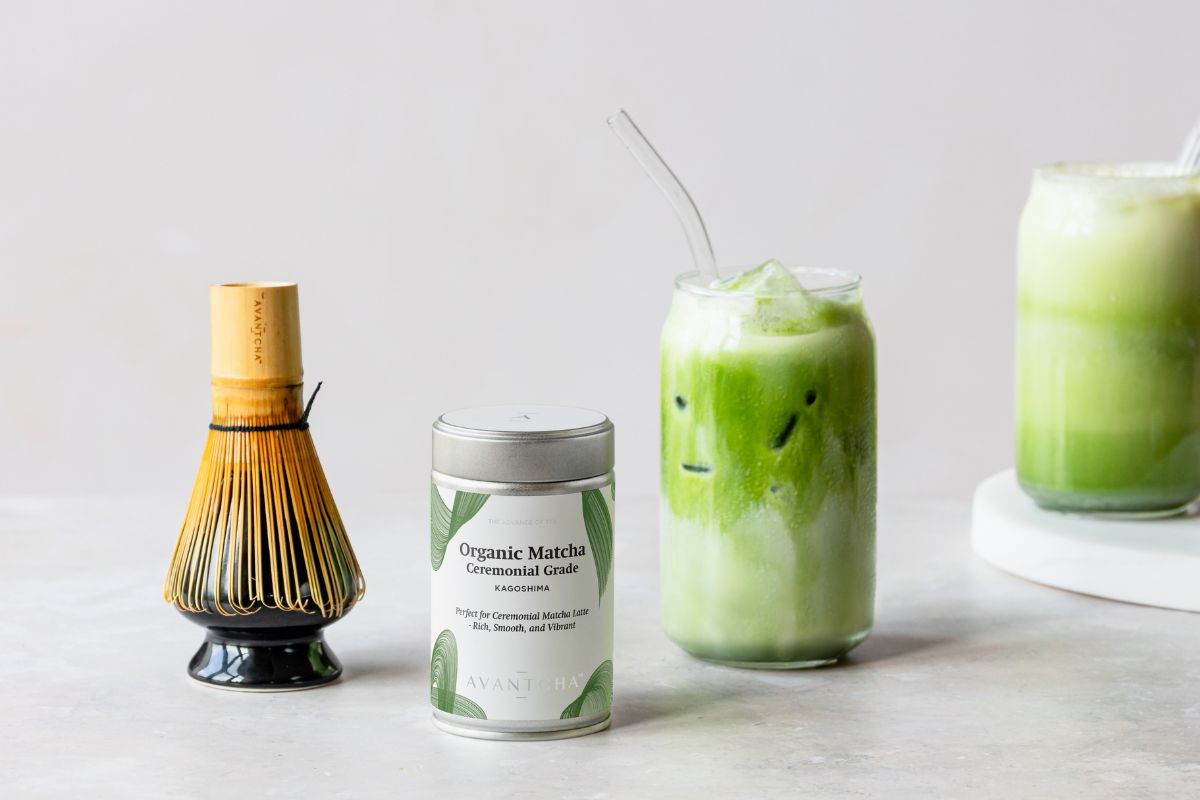
For an iced latte, our first choice is AVANTCHA Matcha Ceremonial Grade Kagoshima Natural Farming.
The Kagoshima Matcha is a blend of four cultivars: Yabukita, Okumidori, Okuyutaka and Zairai. It was developed with enough body and flavour to remain recognisably matcha when milk is added.
That matters because milk can soften some of the more delicate characteristics of matcha. A beautifully nuanced matcha can be fascinating with water, but those subtleties may become much harder to distinguish in a latte.
Kagoshima is fuller and more pronounced, which is why it is the matcha we most often reach for when making one.
You can, of course, make a latte with any good matcha. We simply would not choose the same matcha for every drink.
Best Matcha for Iced Matcha with Water
Take the milk away and there is more room to explore.
For iced matcha with water, a Matcha Americano, matcha yuzu or another lighter preparation, we like using matchas where the individual characteristics of the cultivar and origin have more space to show.
Our Yame Yabukita, for example, has a nutty, velvety profile with notes reminiscent of white chocolate and steamed greens. It is a matcha we prefer drinking with water, where those details are much easier to appreciate.
Fuji offers another expression again, while our Uji Samidori brings its own cultivar and regional character.
These are the matchas to explore when the matcha itself is doing most of the talking.
Why Iced Matcha Needs a Different Approach
Matcha is the whole tea leaf, finely ground into powder. Unlike sugar or an instant drink powder, it does not completely dissolve in water.
Instead, the fine particles are suspended through the liquid.
Good preparation keeps those particles distributed evenly so the drink feels smooth rather than gritty. If the matcha has not been properly dispersed, you are more likely to find small clumps or a layer of powder settling at the bottom of the glass.
Temperature matters too.
We generally prepare matcha with water around 70 to 80°C, depending on the matcha and the recipe. Very hot water can make bitterness and astringency more noticeable, while a more moderate temperature gives the sweeter and more savoury qualities of the matcha more room to come through.
For an iced preparation, we normally disperse the matcha first, then introduce the colder ingredients, however it is entirely possible to do this with purely chilled ingredients.
Shaken vs Whisked Matcha: Four Ways We Prepare It
A bamboo whisk is the traditional way to prepare matcha, but it is not the only one.
At AVANTCHA, we use four different methods depending on what we are making or the situation at hand.
- Bamboo Whisk
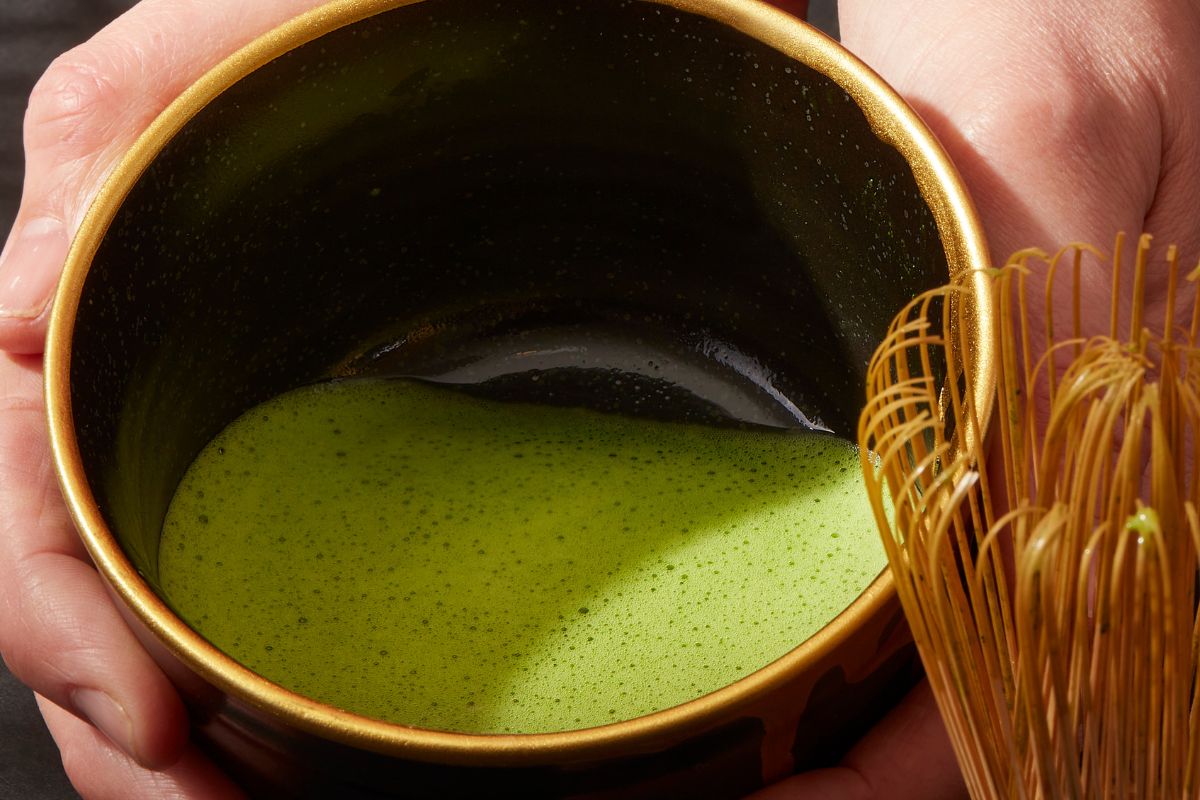
The traditional bamboo whisk, or chasen, is still one of our favourite ways to make matcha.
It gives you control over the texture and foam, and there is something enjoyable about the preparation itself: measuring the matcha, adding the water and whisking it by hand.
Rather than stirring in circles, whisk briskly backwards and forwards in an M or W motion. This creates more effective agitation and helps produce a finer foam.
We use a chasen when we want the preparation to be part of the experience, whether the finished matcha is served hot or poured over ice.
- Electric Whisk
An electric whisk is useful when you want the same smooth, well-dispersed matcha without spending as much time on the preparation.
It is also a good option if you are new to matcha and have not yet become comfortable using a bamboo whisk.
Our electric matcha whisk is designed to create a fine microfoam quickly, making it particularly convenient for everyday preparation and matcha lattes.
There is no need to think of the electric whisk as a lesser version of traditional preparation. It is simply a different tool for a different moment.
- Shaker
A tightly sealed jar, cocktail shaker or protein shaker can work extremely well for iced matcha.
Add the matcha and liquid, close the lid securely and shake thoroughly until the powder is evenly dispersed.
The vigorous movement is particularly effective with very finely milled matcha, which helps give the finished drink a smoother texture.
It is also one of the easiest ways to make matcha away from home. You do not need a bowl or whisk, just a container that closes properly.
- Blender
We use a blender when the matcha is part of a more complex drink.
A matcha protein shake is a good example. Protein powder needs more mixing than a bamboo whisk can reasonably provide, and the blender makes it easy to bring everything together.
The same applies if you want to blend ice directly into the drink for a colder, thicker texture.
We have also experimented with blending matcha with nut butter and water rather than using a commercially prepared nut drink. A simple almond, cashew or other nut butter can create a creamy base while giving you more control over the ingredients.
The proportions depend on the nut butter, so this is one we recommend experimenting with rather than treating as a fixed recipe.
How to Avoid Grit and Clumping in Iced Matcha
A small amount of clumping is normal with such a finely milled powder, particularly once matcha has been opened and exposed to moisture in the air.
Preparation makes a noticeable difference.
Sift the matcha first. A fine sieve breaks apart compacted powder before the water is added.
Start with a smaller amount of liquid. It is much easier to disperse matcha evenly in a small amount of water before adding a full glass of milk or water.
Use an M or W motion with a bamboo whisk. Stirring slowly in circles will not create the same agitation or foam.
Shake properly. If you are using a bottle or shaker, give it enough movement to distribute the matcha throughout the liquid.
Use the right tool. A bamboo whisk is excellent for matcha and water. If you are adding protein powder, nut butter and crushed ice, use the blender.
Store matcha carefully. Keep it sealed and protected from heat, light, air and moisture. Good storage helps preserve its colour, aroma and flavour.
And do not worry if the drink needs a quick swirl after it has been sitting for a while. Matcha is a suspension, so some settling over time is perfectly normal.
Simple Iced Matcha Latte at Home
For an iced latte, we recommend starting with our Kagoshima Natural Farming Matcha.
You will need
- 4.5 g AVANTCHA Matcha Ceremonial Grade Kagoshima Natural Farming
- 50 ml water at approximately 75°C
- 150 ml cold milk or milk alternative
- Ice
Sift the matcha into a bowl or suitable vessel.
Add the warm water and whisk using a bamboo or electric whisk until the matcha is smooth and lightly foamed.
Fill a glass with ice and add the milk.
Pour the matcha over the top and stir before drinking.
You can also prepare the same drink using a shaker if you prefer. For a step-by-step version, see our Iced Matcha Latte recipe.
For more preparations, including different iced matcha recipes, explore our Matcha Recipes.
FAQs
Can I use ceremonial grade matcha for iced matcha?
Yes. All of AVANTCHA’s matcha is ceremonial grade and can be prepared hot or cold. It is worth remembering that “ceremonial grade” is not a protected classification, so the words alone do not tell you everything about quality. Look at the origin, cultivar, harvest, processing and freshness as well.
What is the best matcha for an iced matcha latte?
We recommend a matcha with enough body and flavour to remain distinct once milk and ice are added. Our Kagoshima Natural Farming Matcha is our preferred matcha for lattes, with a blend of Yabukita, Okumidori, Okuyutaka and Zairai cultivars developed to hold its flavour particularly well with milk.
What is the best matcha for iced matcha with water?
With water, there is more opportunity to taste the individual characteristics of the matcha. We particularly like matchas such as Yame Yabukita, Fuji and Uji for clearer iced preparations because their individual flavour profiles are not masked by milk.
Why does my iced matcha clump?
Matcha is finely ground tea leaf and does not fully dissolve in water. Sifting the powder first, starting with a smaller amount of warm water and whisking or shaking it thoroughly will help create a smoother suspension.
Is shaking matcha as good as whisking it?
For an iced drink, shaking works very well. A bamboo whisk gives you more control over foam and provides the traditional preparation experience, while a shaker is quicker and creates the strong agitation needed to disperse the matcha evenly. Which one you use is mostly a question of the drink you are making and how you want to make it.
Do I need a bamboo whisk to make matcha?
No. A bamboo whisk is the traditional tool, but an electric whisk, sealed shaker or blender can all be used successfully. We use all four at AVANTCHA.
Can I put matcha in a blender?
Yes. A blender is particularly useful when making a matcha protein shake, blending crushed ice, or incorporating nut butter, fruit or other ingredients that need more thorough mixing. For a simple matcha with water or milk, a whisk or shaker is usually enough.
Can I make iced matcha with water instead of milk?
Yes, and it is one of the best ways to explore the differences between matchas. Without milk, characteristics such as cultivar, origin, sweetness, vegetal notes and umami become much easier to distinguish.

 All Rights Reserved. © AVANTCHA 2026