
Long before green tea became a familiar presence on wellness menus and in morning routines around the world, it was enjoyed in China and eventually became an integral part of Japanese tea culture. From the courts of Chinese emperors to traditional Japanese tea gatherings, its history spans centuries of craftsmanship, trade and cultural exchange.
According to legend, the Chinese emperor Shennong discovered tea around 2737 BCE when leaves from a wild tea tree drifted into his bowl of boiling water. Although the story cannot be verified, it reflects the long-standing relationship between tea and Chinese culture. By the Tang Dynasty, tea had become sufficiently important to inspire Lu Yu's Cha Jing, widely regarded as the world's first comprehensive treatise on tea.
Today, green tea is enjoyed across the world for its variety, flavour and versatility. Yet it is often treated as a single style of tea, when its flavour can range from fresh and vegetal to smooth, nutty, floral or rich in umami.
So, what is green tea, how is it made, and what distinguishes its many varieties? This guide explores everything from traditional processing methods to caffeine content, potential health benefits and the different green teas worth discovering.
What Is Green Tea Made From?
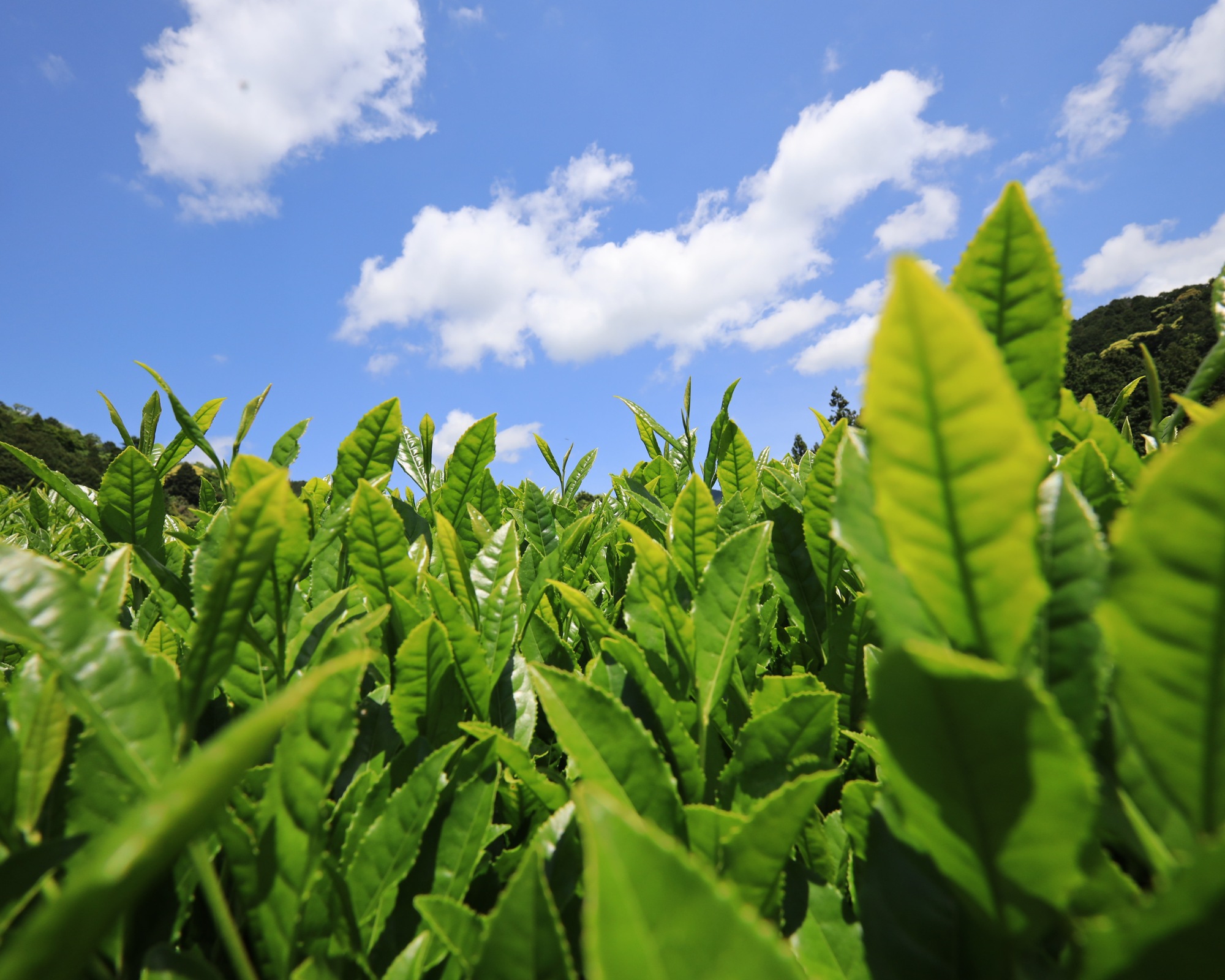
Green tea is made from the leaves and buds of Camellia sinensis, the same plant used to produce black, white and oolong tea. The difference lies in how the leaves are processed after harvesting.
Shortly after picking, green tea leaves are heated to deactivate the enzymes responsible for oxidation. This helps preserve their green colour and influences the flavour, aroma and chemical composition of the finished tea.
Green tea naturally contains polyphenols, including catechins, as well as caffeine and the amino acid L-theanine. Their levels vary depending on the cultivar, growing conditions, harvest and processing method.
These variations explain why green tea encompasses such a wide range of flavours, from delicate and sweet to robust and savoury.
How Green Tea Is Made?
Once tea leaves are harvested, they begin to undergo natural chemical changes when exposed to oxygen. During oxidation, enzymes transform compounds within the leaf, affecting its colour, aroma and flavour.
Green tea production aims to limit this process by applying heat early on. In China, this is commonly achieved through pan-firing, while steaming is widely used in Japan. Each method influences the finished tea in a different way.
Chinese Green Tea: Pan-Firing
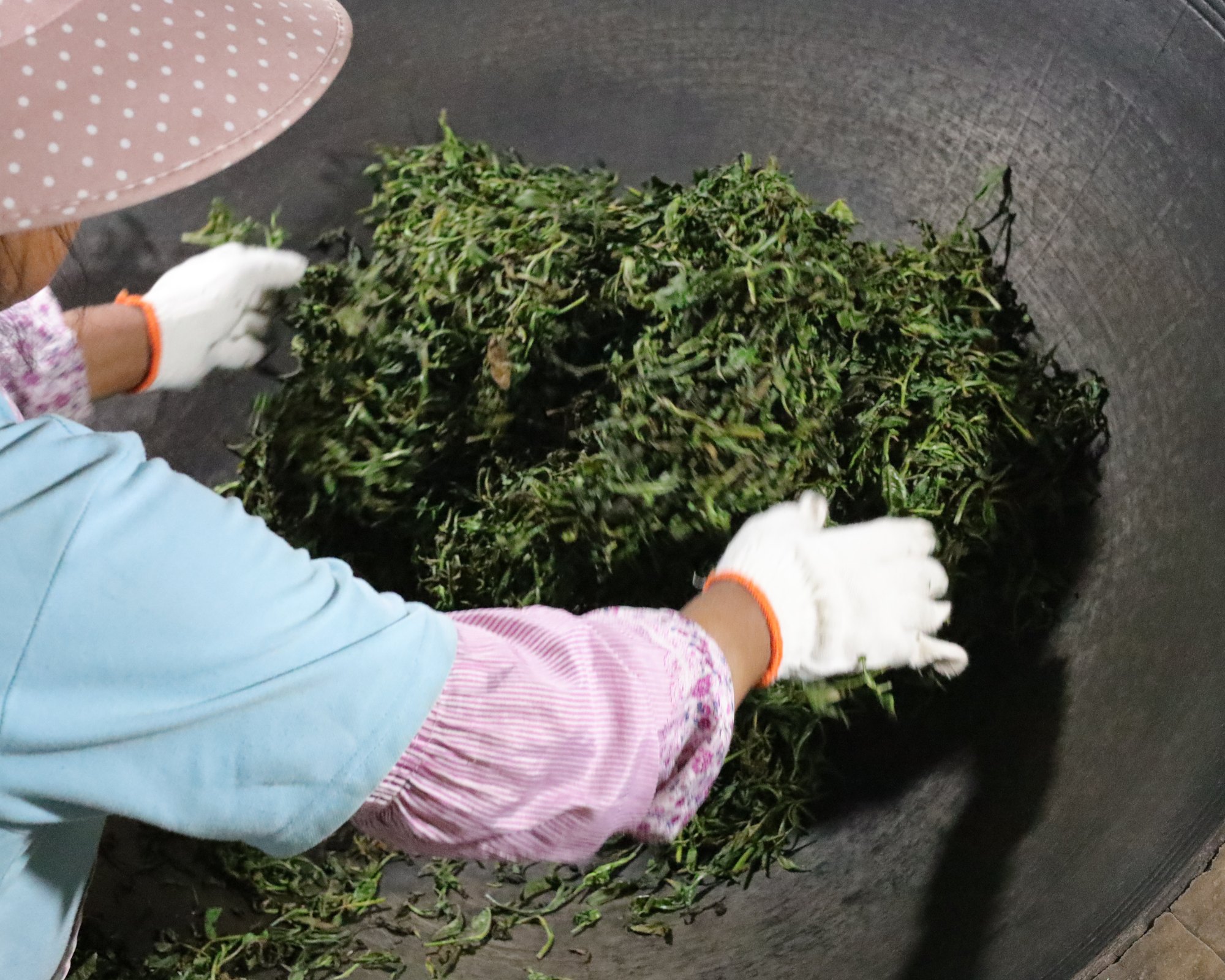
In many Chinese green teas, freshly harvested leaves are heated in a hot pan or rotating drum. This process deactivates oxidative enzymes while developing the tea's aroma and flavour.
Depending on the tea and production technique, pan-firing can bring out nutty, toasted and subtly sweet notes. Longjing, also known as Dragon Well, is one of the best-known examples of Chinese pan-fired green tea.
Japanese Green Tea: Steaming
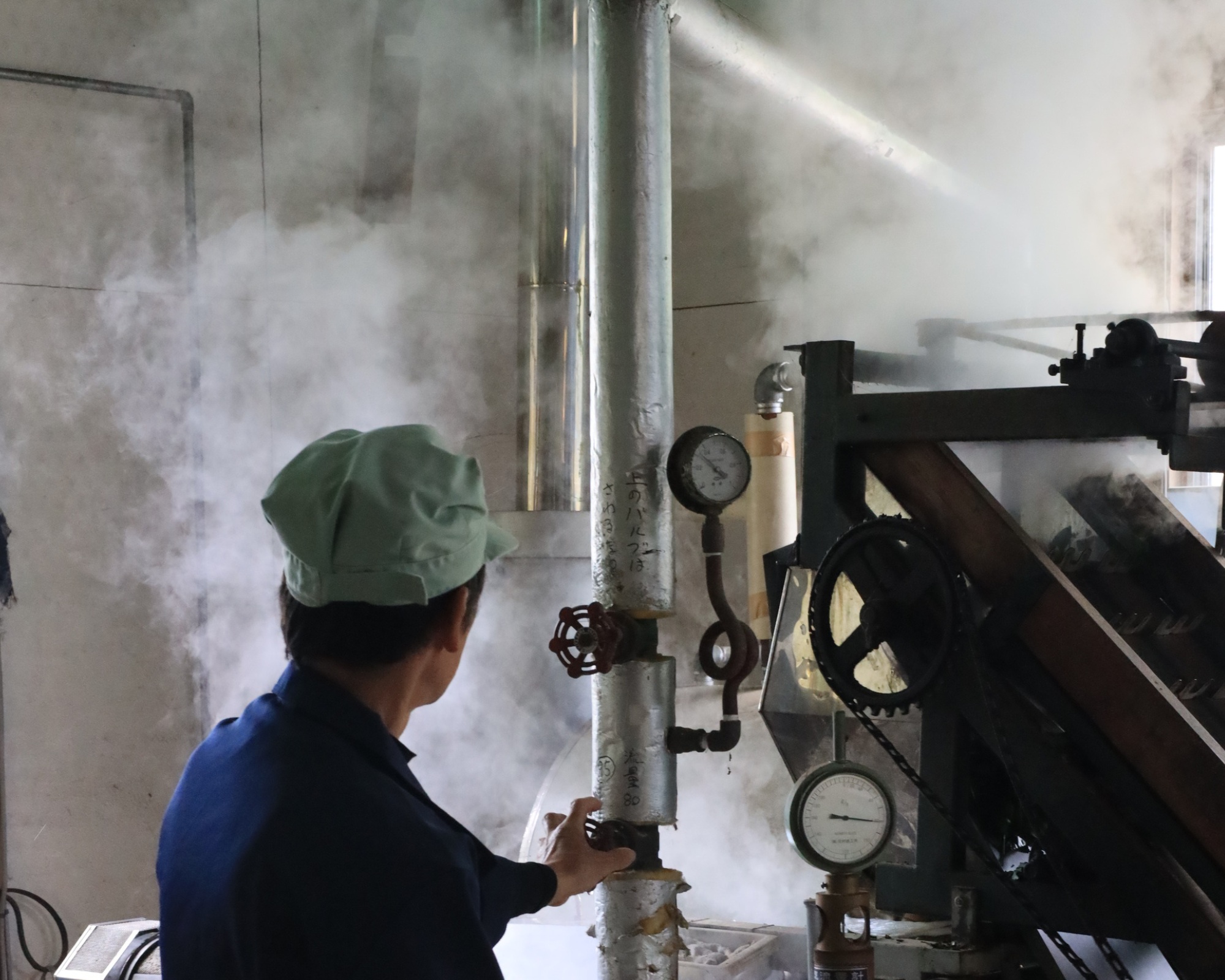
In Japan, green tea leaves are commonly steamed soon after harvest. This method quickly deactivates oxidative enzymes and helps preserve the leaves' green colour and fresh, vegetal character.
Sencha and Gyokuro are well-known examples of steamed Japanese green tea. Matcha is also made from steamed leaves, which undergo additional processing before being ground into a fine powder.
Shaping and Drying the Leaves
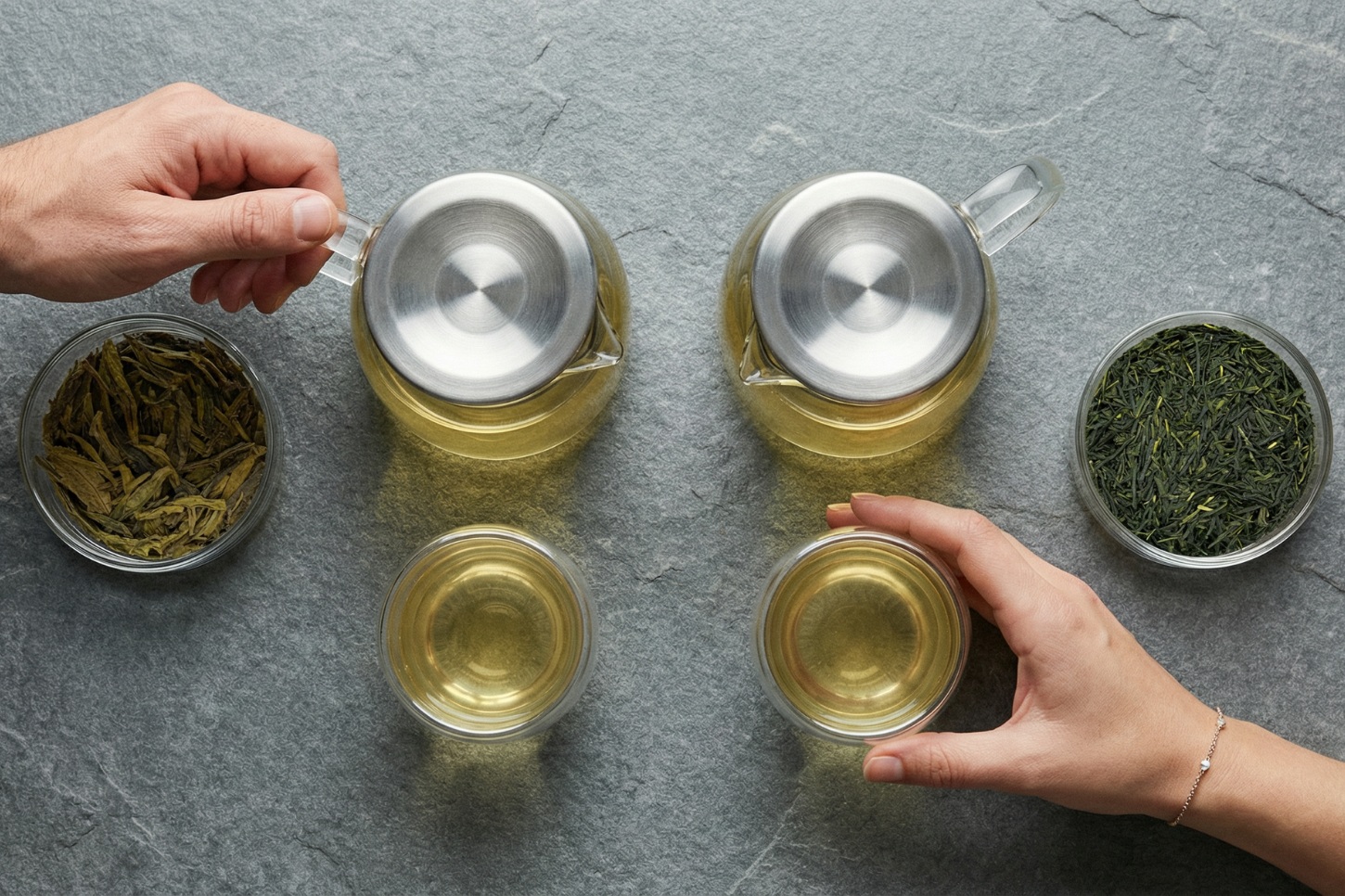
After heating, the leaves are shaped and dried to reduce their moisture content and prepare them for storage. The techniques vary by tea: some leaves are rolled into slender needles, others are pressed into flat shapes, and Gunpowder green tea is rolled into small pellets.
Matcha follows a different path. Its leaves are processed into Tencha before being stone-milled into a fine powder.
From the growing environment to the final stages of production, every step contributes to the tea's appearance, aroma and flavour.
Green Tea vs Black Tea: What's the Difference?
Green tea and black tea both come from Camellia sinensis. Their main difference is the degree of oxidation the leaves undergo during processing.
Green tea is heated early in production to deactivate oxidative enzymes and limit oxidation. Black tea is allowed to oxidise substantially before drying, developing a different colour, aroma and flavour profile.
Green tea can have fresh, vegetal, floral or nutty notes, while black tea often develops richer, maltier, fruity or robust flavours. However, neither category has a single defining taste; the origin, cultivar and production method all play a role.
If you prefer a lighter, fresher profile, green tea may appeal to you. If you enjoy deeper, fuller-bodied flavours, black tea is worth exploring.
For a closer look at the other side of the tea spectrum, read our guide to black tea.
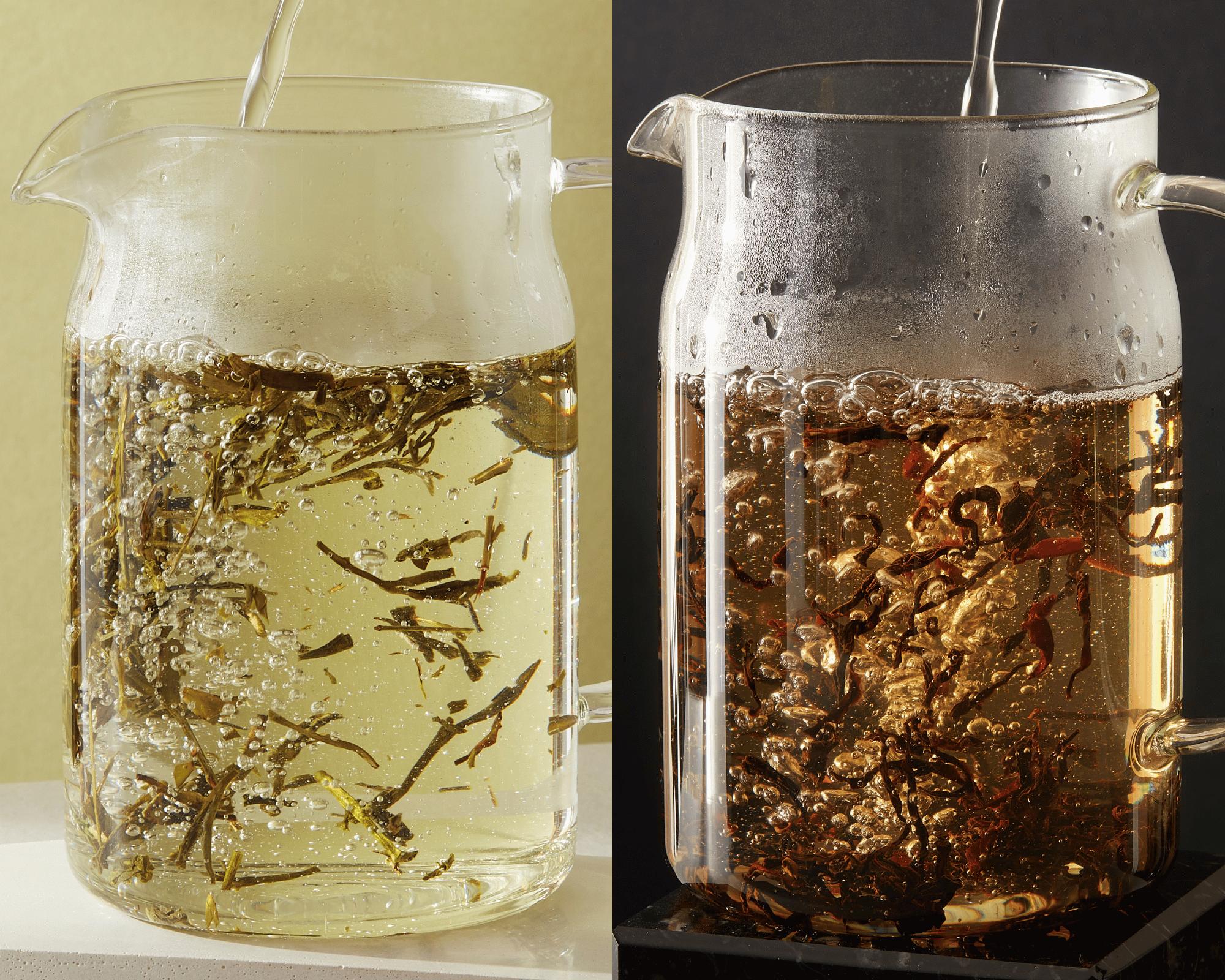
What Does Green Tea Taste Like?
Green tea does not have one universal flavour. Depending on its origin, cultivar and processing method, it can taste fresh and vegetal, smooth and nutty, delicately floral or rich in umami.
Here are a few examples of the flavours found across the category:
-
Sencha: Fresh and balanced, with vegetal notes, gentle astringency and a savoury finish.
-
Gyokuro: Rich and smooth, with pronounced umami and a natural sweetness associated with shade cultivation.
-
Longjing: Smooth and nutty, with toasted notes and a subtle sweetness.
-
Gunpowder: Robust and full-flavoured, with tightly rolled leaves that gradually unfurl during infusion.
-
Genmaicha: Toasty and comforting, with roasted rice balancing the flavour of green tea.
-
Hojicha: Warm and roasted, with nutty, caramel-like notes and a reddish-brown infusion.
-
Jasmine green tea: Delicately floral, with jasmine fragrance complementing the underlying tea.
If green tea tastes excessively bitter, the brewing method may be responsible. Water that is too hot or a steep that lasts too long can draw out more bitterness and astringency than desired. Adjusting the temperature and steeping time can make a noticeable difference.
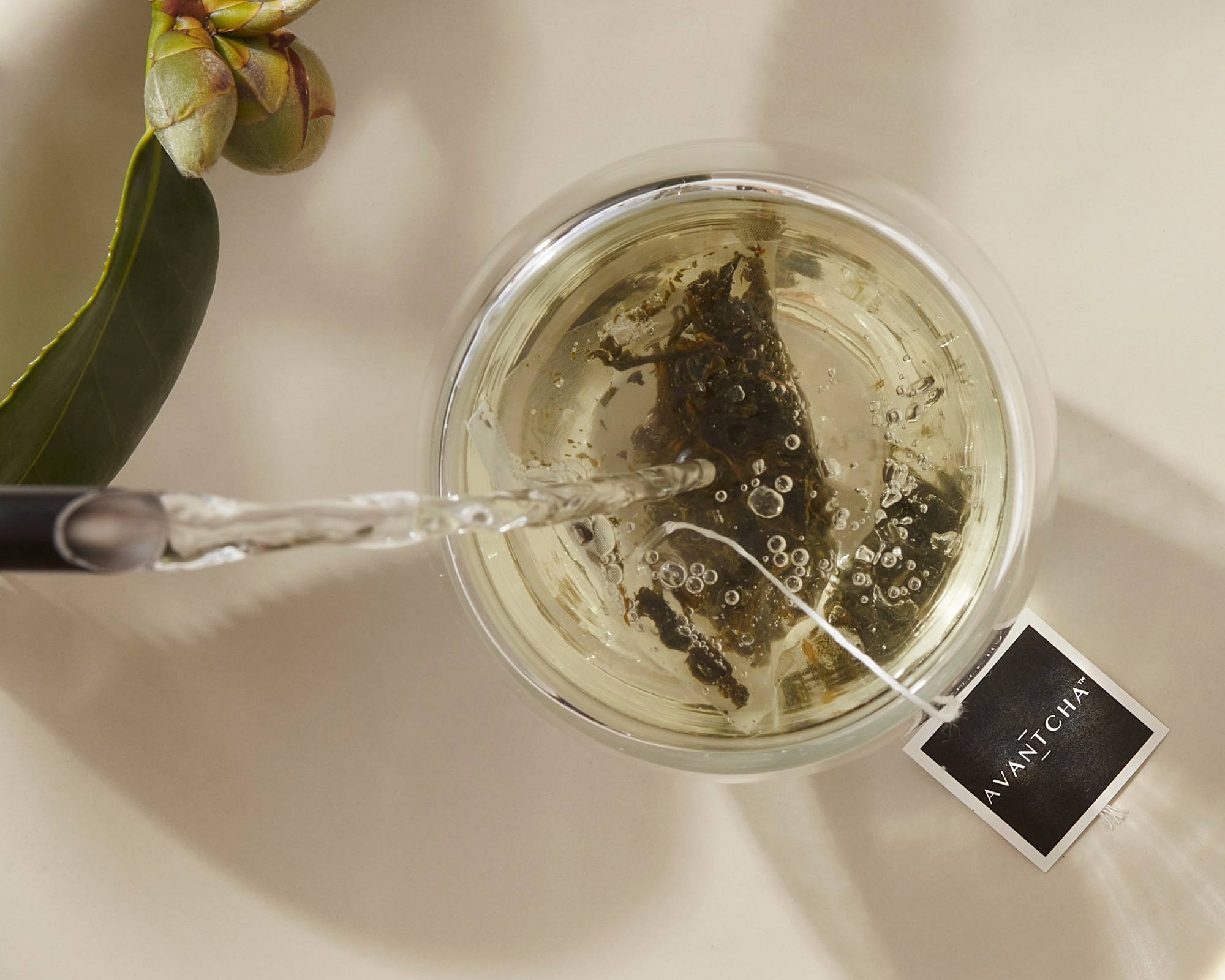
Types of Green Tea: Seven Varieties to Discover
Green tea comes in a wide range of styles, from traditional Chinese teas to Japanese infusions and finely ground powders. Each offers a different flavour profile and way to enjoy tea.
- Sencha: A Classic Japanese Green Tea
Sencha is Japan's most widely consumed green tea. Made from steamed, rolled and dried leaves, it has a fresh aroma and a balanced flavour that can range from delicate to full-bodied.
AVANTCHA's Organic Japanese Sencha Kagoshima combines three cultivars: Yutakamidori, Asatsuyu and Saemidori, grown in Kagoshima, southern Japan.
- Gyokuro: Japan's Shade-Grown Green Tea
Gyokuro is shaded for several weeks before harvest, a process that contributes to its natural sweetness and pronounced umami. Its name is commonly translated as “jade dew”.
Discover Organic Japanese Gyokuro for a richer, more concentrated green tea experience.
- Matcha: Japanese Green Tea in Powder Form
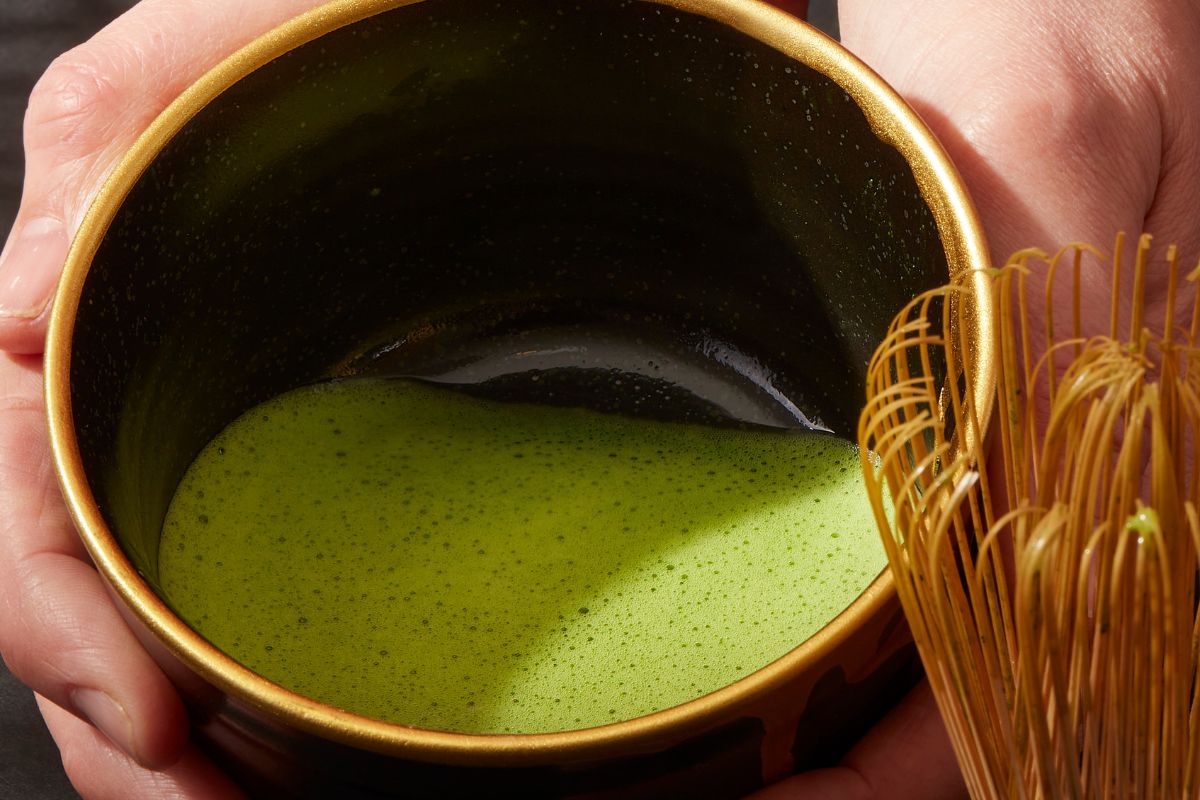
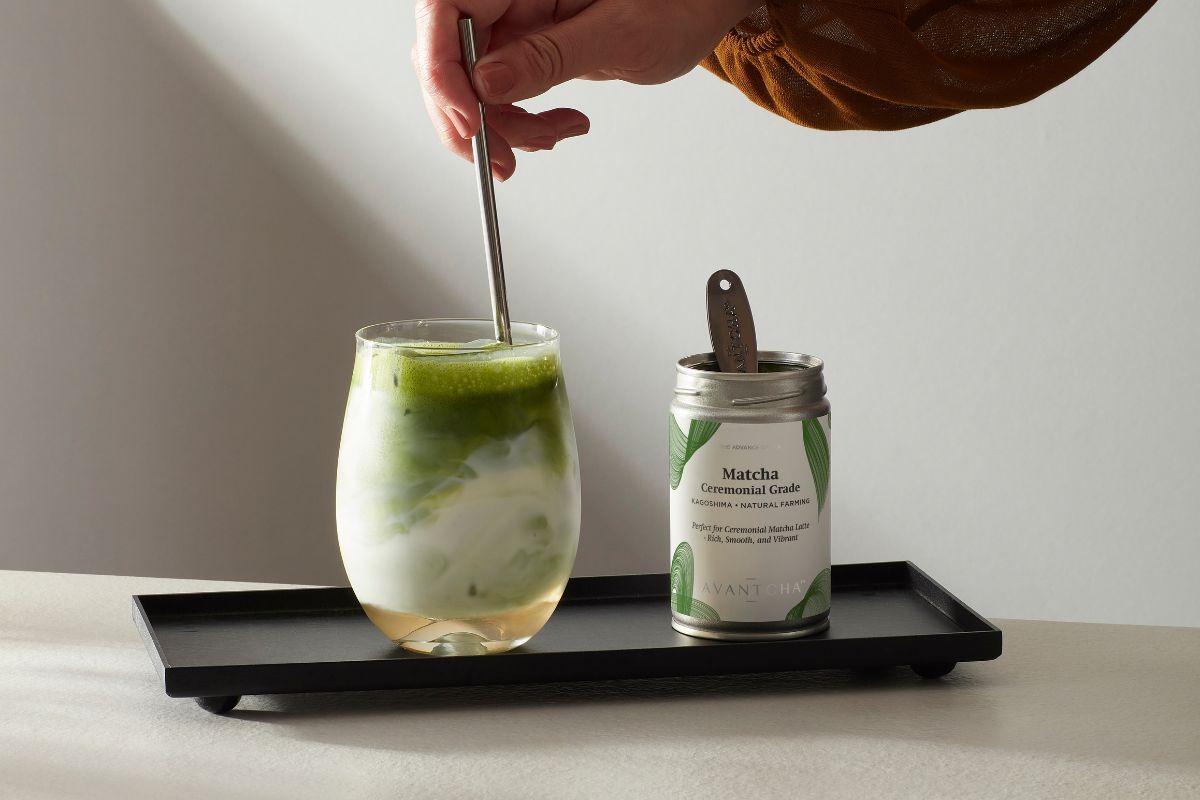
Matcha is made from Tencha, shade-grown leaves that are steamed, processed and ground into a fine powder. Unlike loose-leaf tea, the powder is whisked into water and consumed, creating a concentrated drink with notes of sweetness, umami and vegetal depth.
Explore AVANTCHA's Matcha collection, featuring ceremonial-grade options from Kagoshima, Fuji and Uji.
- Gunpowder Green Tea: A Traditional Chinese Style
Gunpowder green tea is named for its tightly rolled leaves, which unfurl during brewing. Its robust flavour makes it suitable for drinking on its own or blending with other ingredients.
It is also traditionally used in Moroccan mint tea, a refreshing infusion associated with hospitality. Discover AVANTCHA's Moroccan Mint, which combines Gunpowder green tea with Moroccan Nana mint.
- Longjing: China's Dragon Well Green Tea
Longjing, or Dragon Well, is a celebrated Chinese green tea traditionally associated with Hangzhou. Its flat leaves are pan-fired, producing a smooth, nutty flavour with toasted notes and subtle sweetness.
Discover AVANTCHA's Superior Qian Tang Long Jing.
- Genmaicha: Green Tea with Roasted Rice
Genmaicha combines green tea with roasted rice, creating a warm, toasty infusion that balances the tea's vegetal notes. Some versions also contain Matcha, adding colour and umami.
AVANTCHA's Matcha Iri Genmaicha combines roasted rice with Matcha for a distinctive, savoury finish.
- Hojicha: Japanese Roasted Green Tea
Hojicha is made by roasting green tea leaves, stems or both. This process creates a warm aroma, a reddish-brown colour and notes of toasted nuts and caramel.
Available as loose-leaf tea or powder, Hojicha is also popular in lattes and baking. Explore AVANTCHA's Japanese Kuki Hojicha or Organic Hojicha Powder.
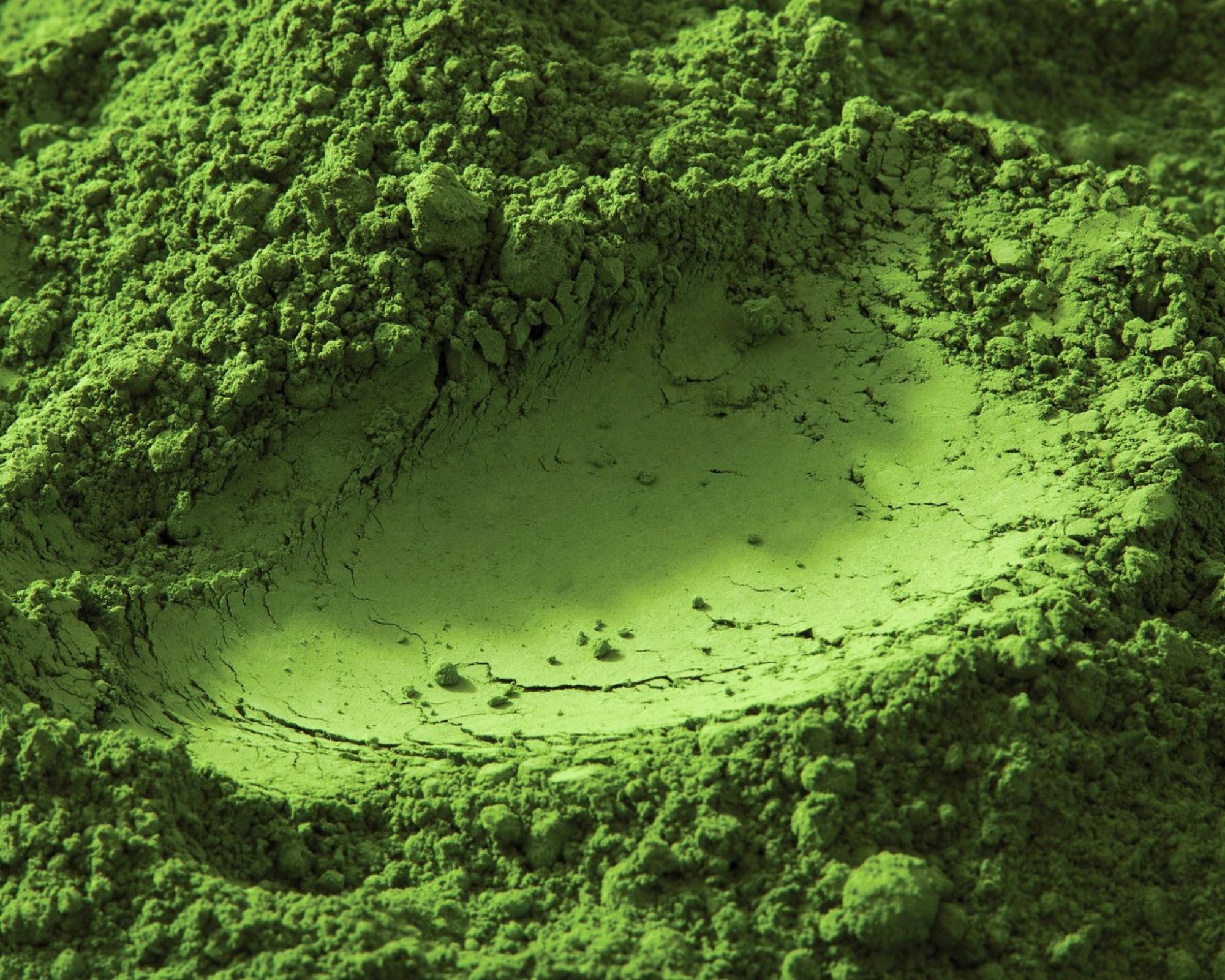
Matcha vs Hojicha: What's the Difference?
Although Matcha and Hojicha are both associated with Japanese tea culture, they differ in processing, flavour and preparation.
Matcha is made from specially processed Tencha that is ground into a fine powder. Its flavour can be vegetal, sweet and rich in umami, with a vivid green colour.
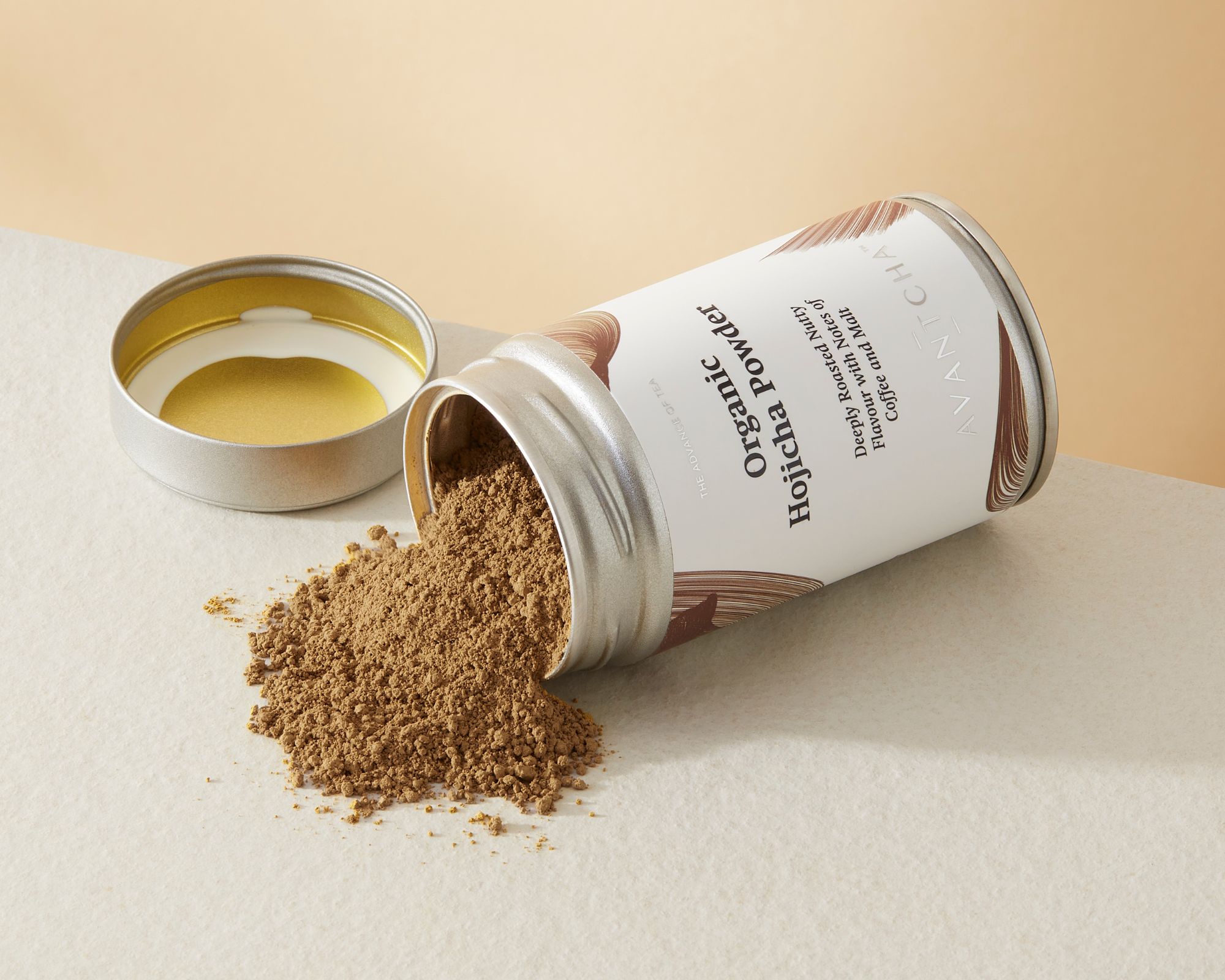
Hojicha, by contrast, is roasted to develop warm, toasted aromas and a reddish-brown colour. It offers a different expression of green tea, with a flavour profile that can be reminiscent of nuts and caramel.
Both can be enjoyed on their own or used in drinks and culinary preparations. Matcha is often chosen for its concentrated green tea character, while Hojicha offers a roasted alternative.
Their caffeine content varies according to the tea used and how it is prepared. Hojicha is not caffeine-free, and Matcha's caffeine content can differ considerably between products and serving sizes.
Flavoured and Scented Green Teas
Green tea also serves as the base for aromatic blends, where flowers, fruit and botanicals introduce new flavour profiles.
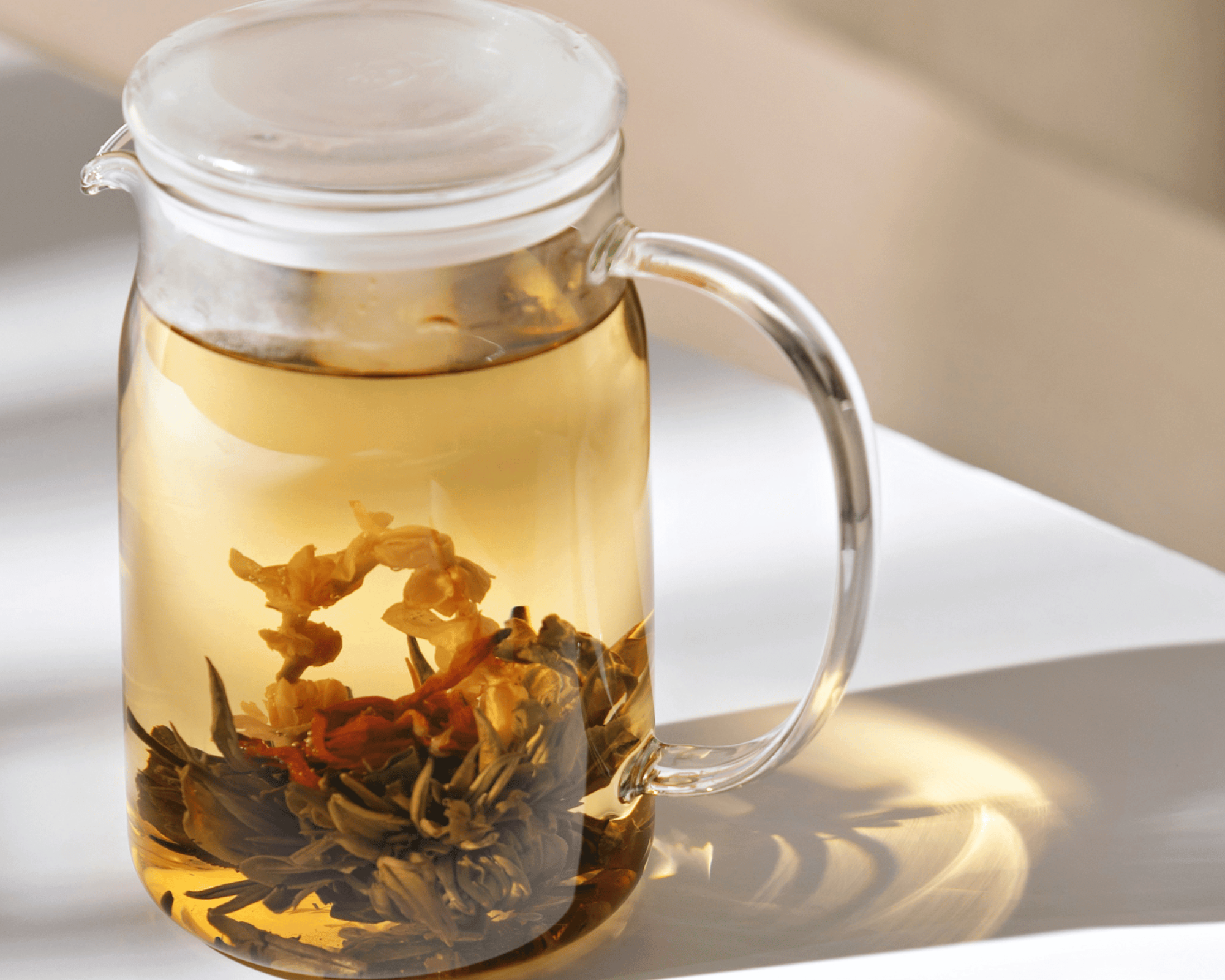
Jasmine Phoenix Pearls
Scented with fresh jasmine blossoms, these hand-shaped pearls gradually unfurl during brewing, releasing a delicate floral aroma.
Mango Bloom
Chinese green tea buds combine with flowers and mango notes for a fragrant, fruit-led infusion.
Japanese Sakura Iri Kukicha
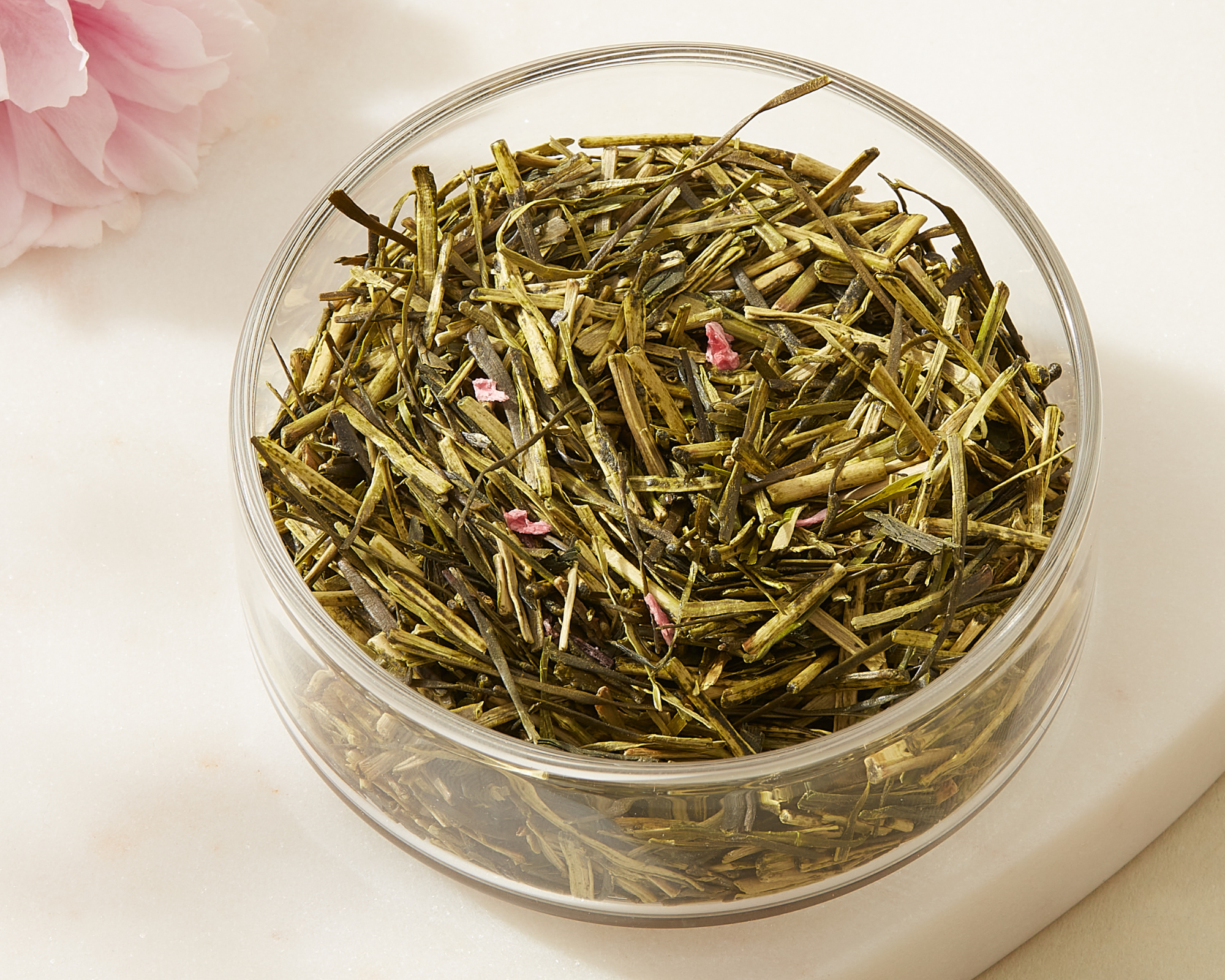
Made primarily from tea stems and stalks, Kukicha takes on a delicate floral character from cherry blossoms. AVANTCHA's Japanese Sakura Iri Kukicha celebrates sakura, Japan's iconic cherry blossom associated with the seasonal tradition of Hanami.
Green Earl Grey
Green tea meets bergamot, the fragrant citrus fruit used in classic Earl Grey, creating a fresh, citrus-led variation.
Cherry Sencha and Tropical Green
Cherry Sencha combines Sencha with sour cherry, while Tropical Green brings together pineapple, strawberry and peach. Both offer fruit-forward alternatives to unflavoured green tea.
How to Choose High-Quality Green Tea
Choosing high-quality green tea involves more than looking at the colour of the dry leaves. Origin, harvest, processing, storage and sourcing transparency all contribute to the final cup.
Consider the Origin
Growing conditions play an important role in the character of tea. Climate, soil, altitude, cultivar and local production methods all influence flavour.
Japanese Sencha, shade-grown Gyokuro and Chinese Longjing illustrate how different regions and processing techniques produce distinct styles of green tea.
Understand the Harvest
Harvest timing influences the characteristics of the leaves. Early-season teas are often prized for their delicate aromas and balance of sweetness and astringency, although harvest timing alone does not determine quality.
Look for Freshness
Green tea can lose its freshness when exposed to air, moisture, heat and light. Over time, these conditions can affect its aroma and flavour.
Choose tea in packaging that protects it from these elements. Store it in a cool, dry place away from strong odours, and follow the producer's storage recommendations.
Look for Sourcing Transparency
Reliable product information should explain where the tea comes from and provide details about its variety and processing when available.
Knowing the origin and production method makes it easier to compare teas and understand what distinguishes one from another.
It's Time to Find Your Green Tea
The question is rarely whether green tea suits daily life. It is which green tea becomes part of yours. Explore the full AVANTCHA green tea collection and find the one that's meant to become your favourite.
Frequently Asked Questions
What is green tea made from?
Green tea is made from the leaves of Camellia sinensis, the same plant that produces all true teas. What makes it green is minimal processing: the freshly harvested leaves are heated by pan-firing in China or steaming in Japan to halt oxidation immediately after harvest, preserving their colour, freshness, and polyphenol content.
Why does green tea taste bitter?
Almost always because of how it was brewed, not the tea itself. Water that's too hot or a steep that runs too long pulls excessive tannins from the leaf. Lower the temperature and shorten the steep, and the bitterness usually disappears. See our guide to brewing great-tasting green tea for specifics.
What is the difference between green tea and Matcha?
Matcha is made from Tencha, shade-grown leaves that are steamed, deveined, and stone-milled into a fine powder, then whisked into the water and consumed whole. Most other green teas are infused: the leaf is steeped and removed. Because Matcha delivers the whole leaf, it carries a more concentrated character than any infused green tea.
What temperature should you brew green tea at?
Most green teas are best brewed at 70–80°C. Water that's too hot, closer to boiling, draws out excessive bitterness. Delicate teas like Gyokuro often reward an even lower temperature, while heartier teas like Genmaicha or Hojicha can tolerate slightly more heat.
Does green tea go stale?
Yes, more readily than black tea, since its lighter processing leaves it more exposed to air, light, and moisture. The best green teas are nitrogen-packed or vacuum-sealed to protect freshness, and are best consumed within their peak freshness window rather than stored indefinitely.
Can you drink green tea cold or iced?
Yes. Green tea works well cold-brewed, steeped slowly in cold water rather than poured hot over ice, which tends to mute its character. See our guides to making cold brew or iced tea at home for both methods.
Is green tea the same as Chinese tea or Japanese tea?
Not exactly. Green tea is a category, not a nationality, and China and Japan simply arrived at it by different routes: pan-firing in China, steaming in Japan. Each method produces a distinct style, roasted and nutty from pan-firing, vegetal and oceanic from steaming, rather than one being more authentically "green tea" than the other.
What is the best green tea for beginners?
Sencha is the natural starting point: clean, bright, and widely available, with a flavour that introduces the category without overwhelming it. From there, Gyokuro and Matcha are excellent for more deliberate exploration.

 All Rights Reserved. © AVANTCHA 2026