
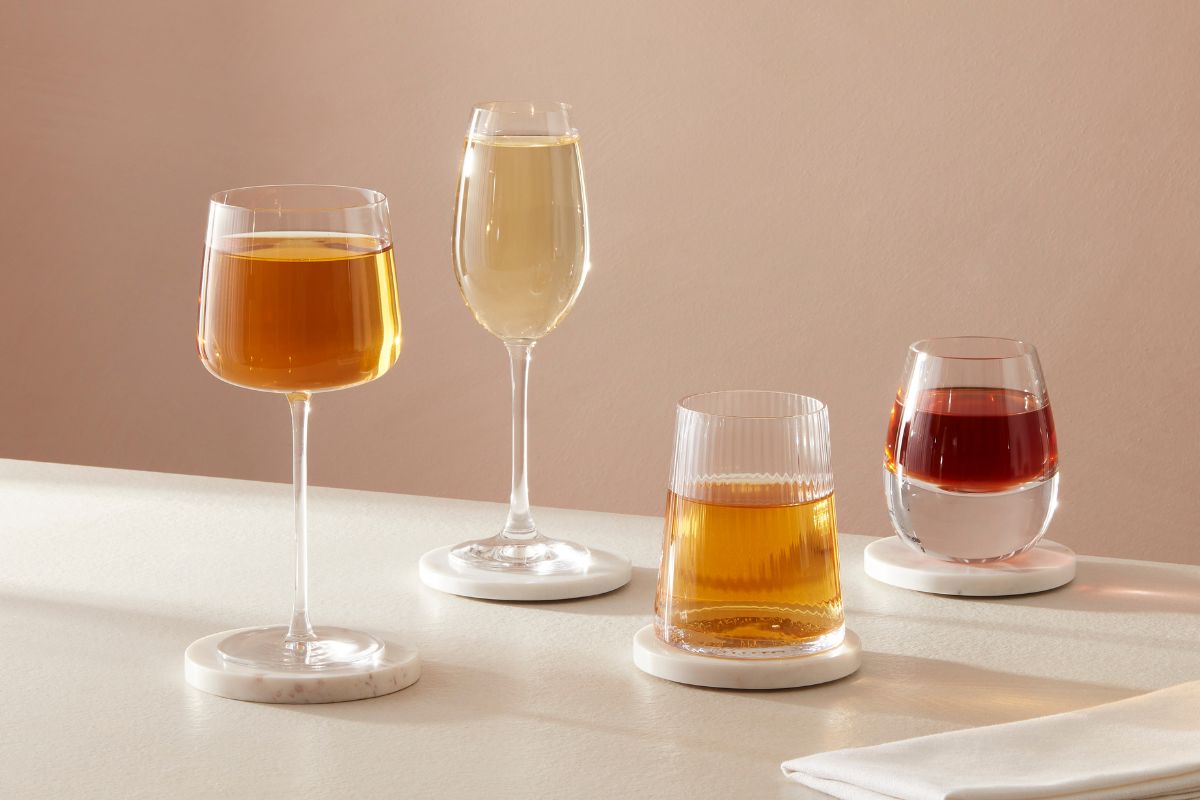
Cold water extracts differently from hot. Given enough time, it pulls sweetness and length from a leaf without releasing much of the tannin or bitterness that heat opens up. The result is softer, smoother, and often more complex than you would expect. Here are ten teas that reward the wait.
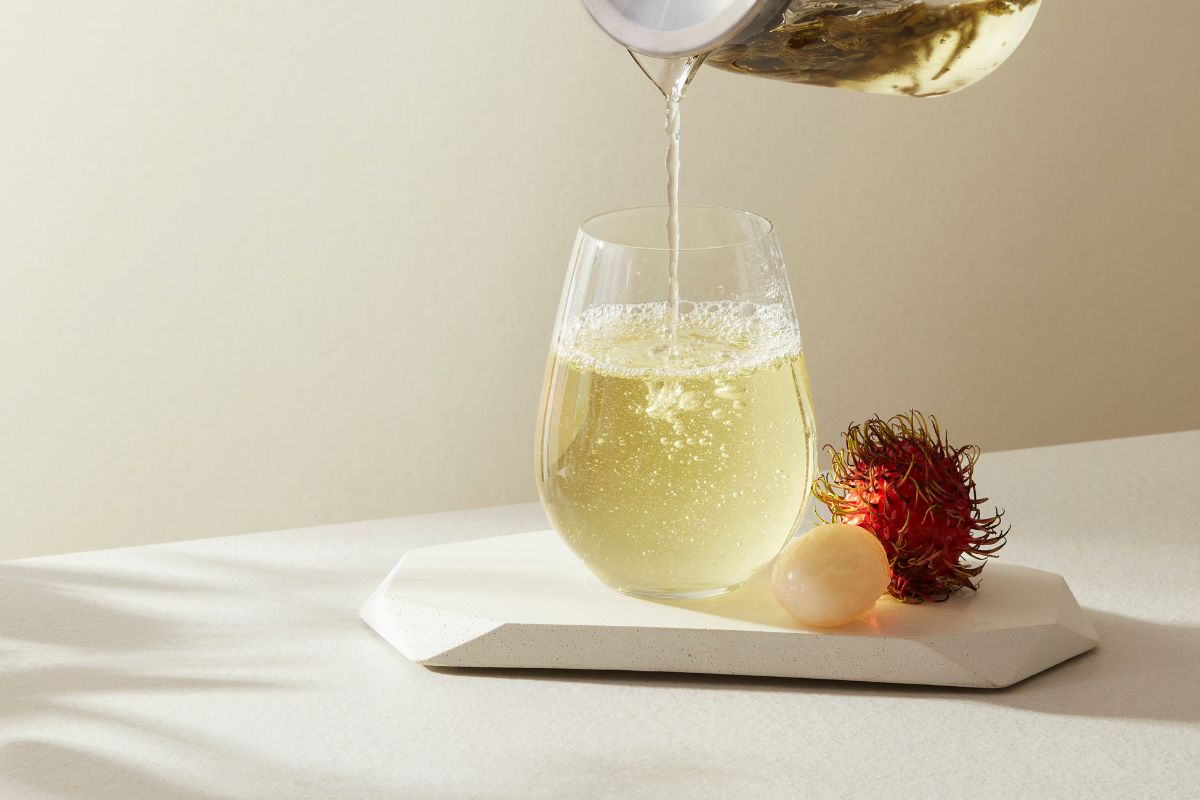
Dragon Well Long Jing
Green Tea
Hangzhou, Zhejiang, China
10g per litre
45 mins in the fridge
Decant fully before serving
Serve in a stemless wine glass
The flat, pan-fired leaf of Long Jing is one of the most recognisable in Chinese tea. Cold water finds something in it that hot water can obscure: a clean, fruit-forward sweetness that arrives first, followed by the roasted chestnut note the tea is known for. The finish is dry and brief, which is exactly right for an afternoon drink.
Two hours is enough. Any longer and the sweetness starts to round into something heavier. Serve it shortly after decanting, while it is still cold and bright. Pair with dark chocolate, 70% or higher.
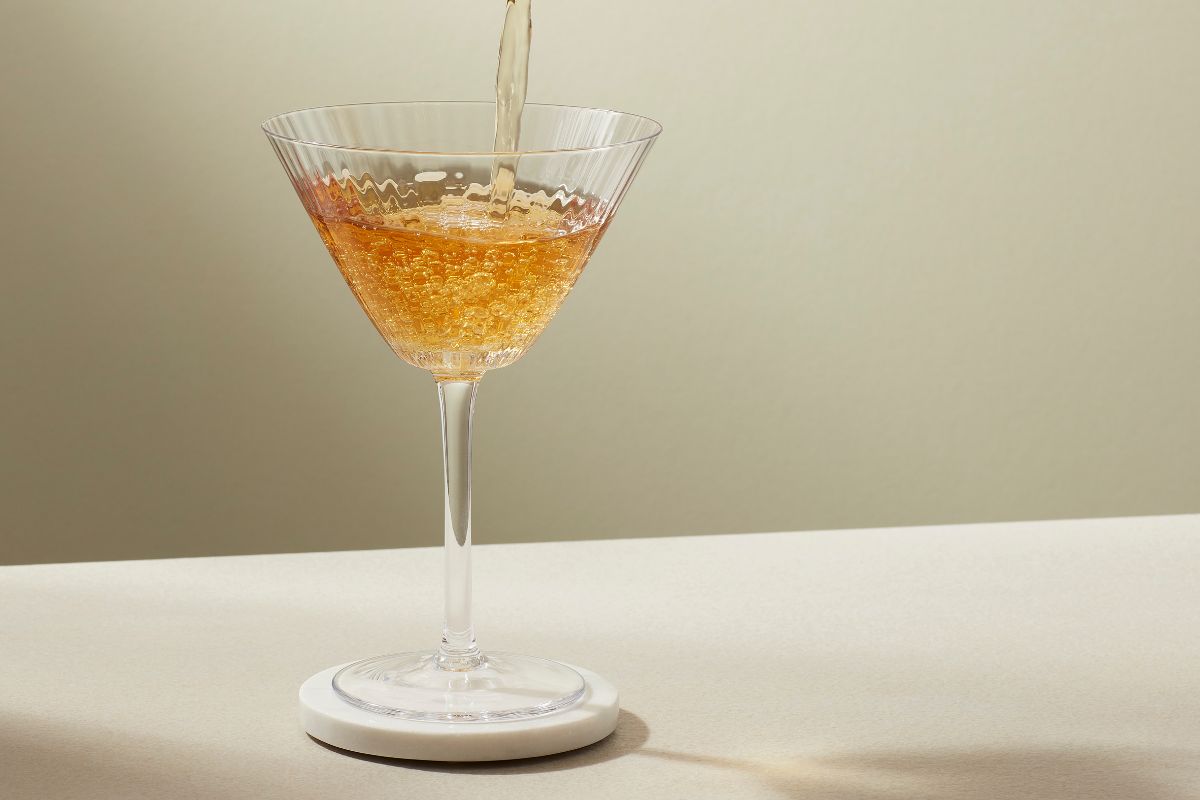
Japanese Kuki Hojicha
Green Tea
Shizuoka, Japan
10g per litre
45 mins in the fridge
Decant fully before serving
Serve in a cocktail coupe or clear rocks glass
This tea begins as tencha: shade-grown leaves, steamed, then separated from their stems. The stems are what is kept here. They are roasted by hand in a porcelain pot over charcoal — three months of shade growth, then fire. The result is low in caffeine, distinctly nutty, and sweet in a way that is more toasted grain than confectionery.
One hour in cold water is all it needs. The roast note is present without being heavy, and the sweetness comes through cleanly. This one does not need embellishment.
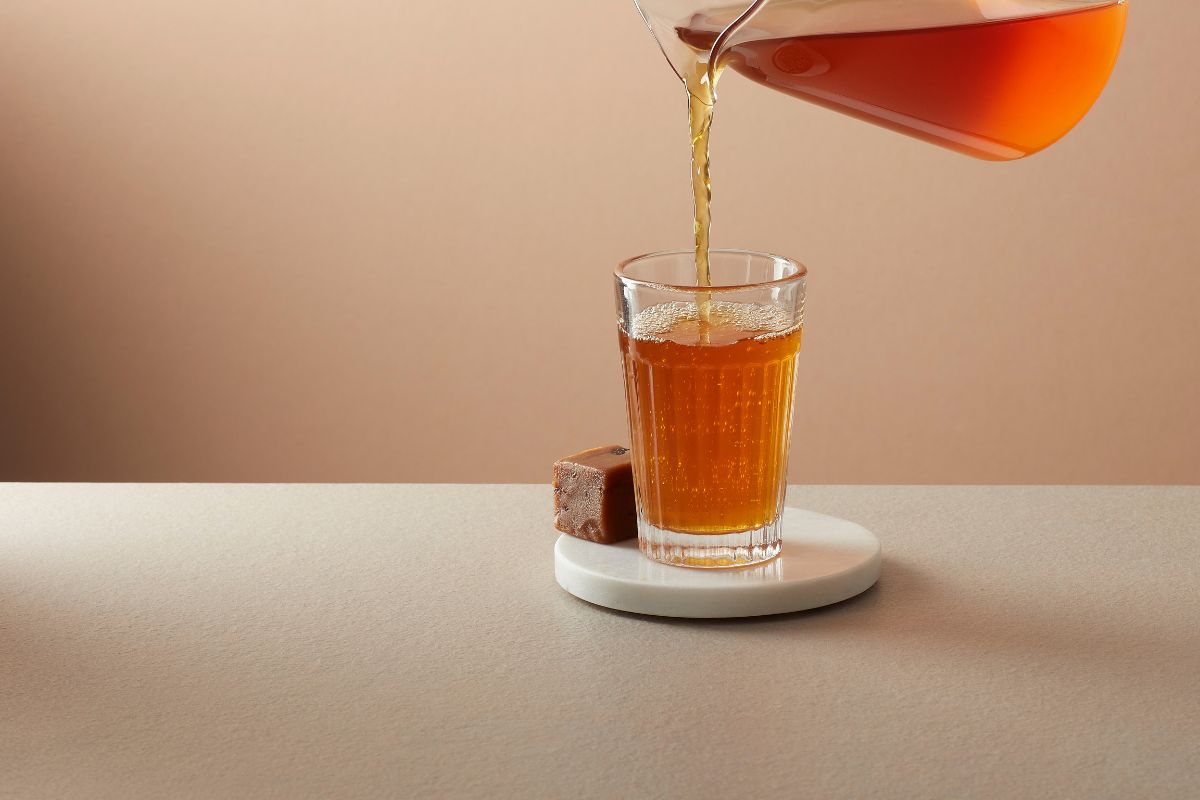
Jin Jun Mei
Black Tea (Platinum)
Tongmu, Fujian, China
10g per litre
2-4 hours in the fridge
Decant fully before serving
Serve in a tall glass
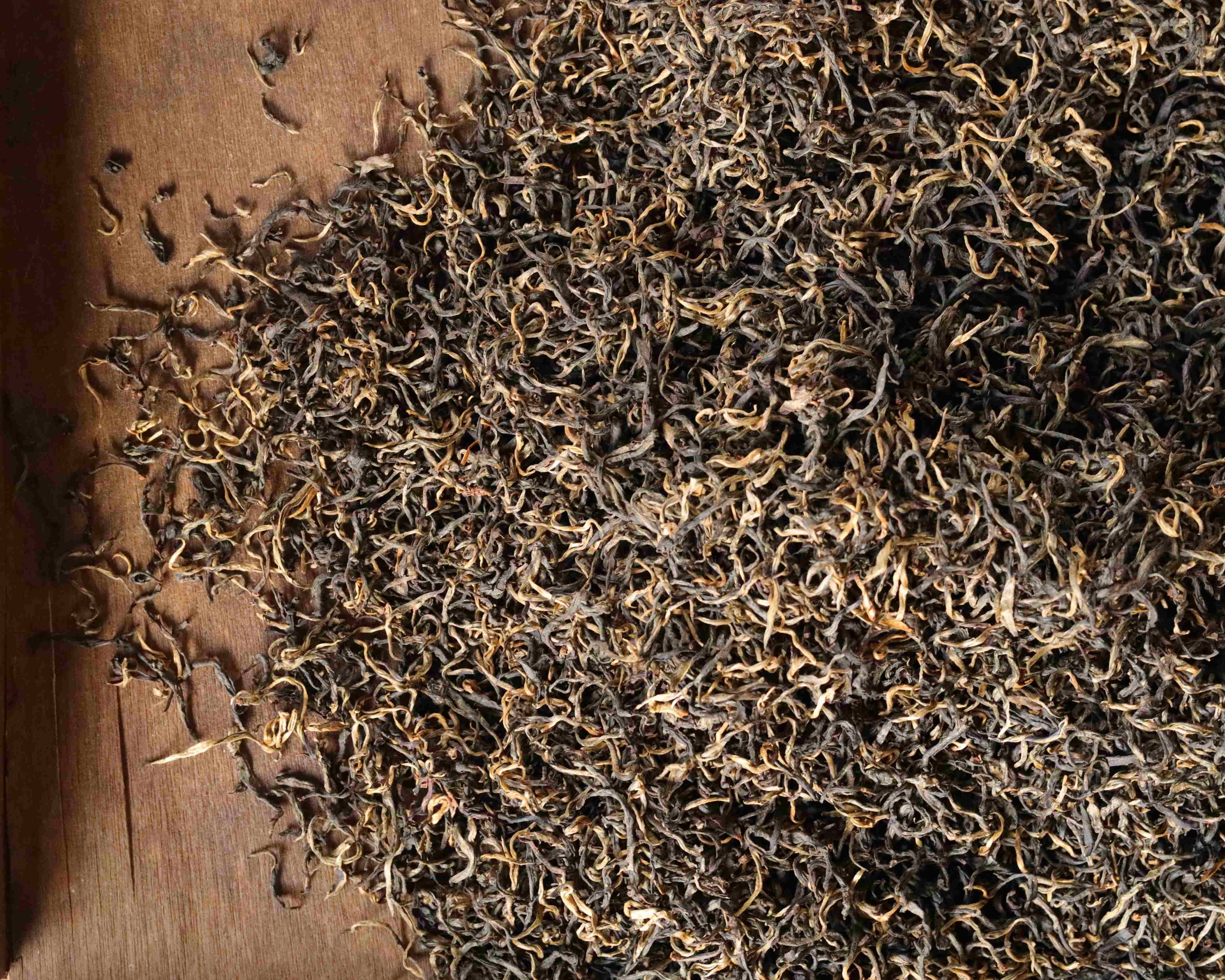
Jin Jun Mei is made entirely from buds, harvested at 800 metres on the slopes of Wu Yi Shan, surrounded by wild trees and mountain mist. Even dry, the buds smell candied, chocolatey, faintly perfumed. Cold water takes three hours to draw out what they contain: biscuit, warm spice, and a floral sweetness that runs through the middle and lingers into the finish.
This is one of the more complex cold brews on this list. Do not rush the extraction, and drink it unmodified. Nothing should compete with the floral finish.
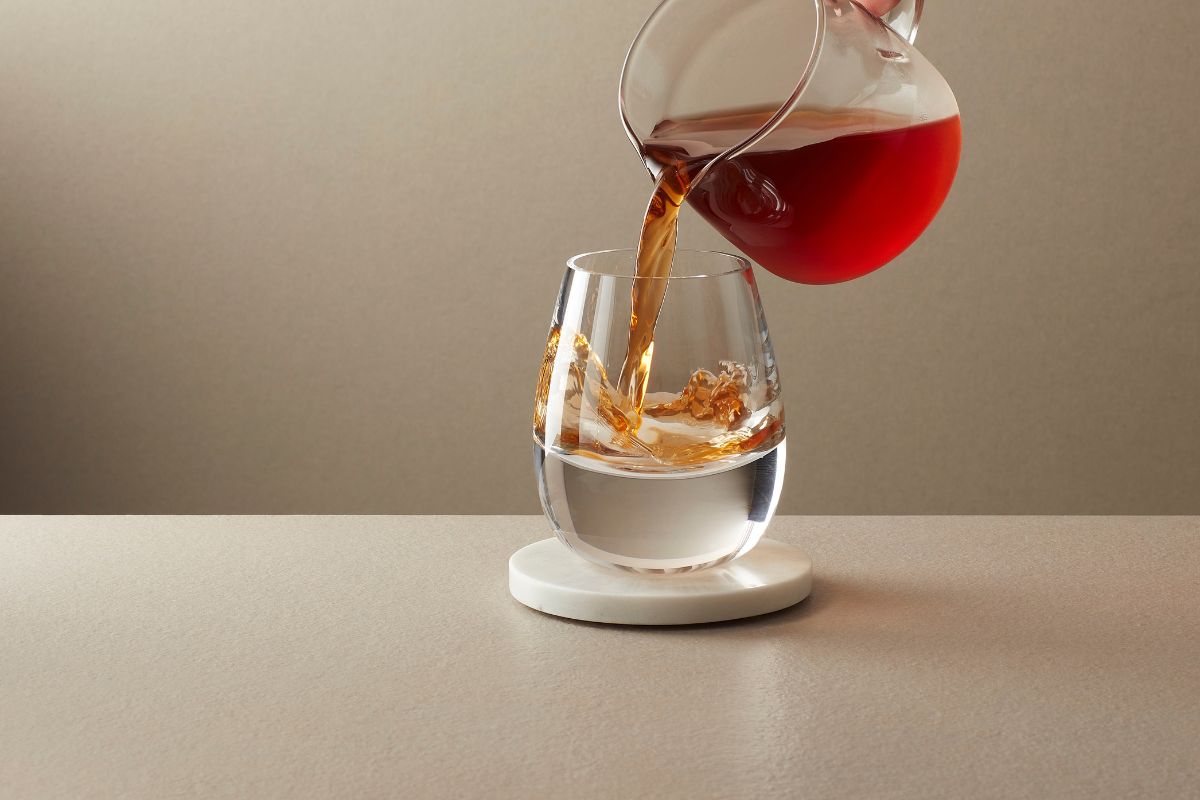
King of Pu Erh
Puerh, Yunnan, China
12g per 800ml
6–8 hours in the fridge
Decant fully before serving
Serve in a brandy glass or heavy tumbler
Puerh is a post-fermented tea, aged after processing in a way no other category is, and it tastes like it. Earthy, woody, with a warmth that sits in the chest rather than on the tongue. Cold brewing softens the edges without stripping that depth: the earthiness remains, and a gentle sweetness and faint spice emerge that are harder to find in the hot version.
Six to eight hours at full strength. This is not a tea you rush, and it is not one you drink before a meal. After a large one, it earns its place. Serve it without anything sweet alongside.
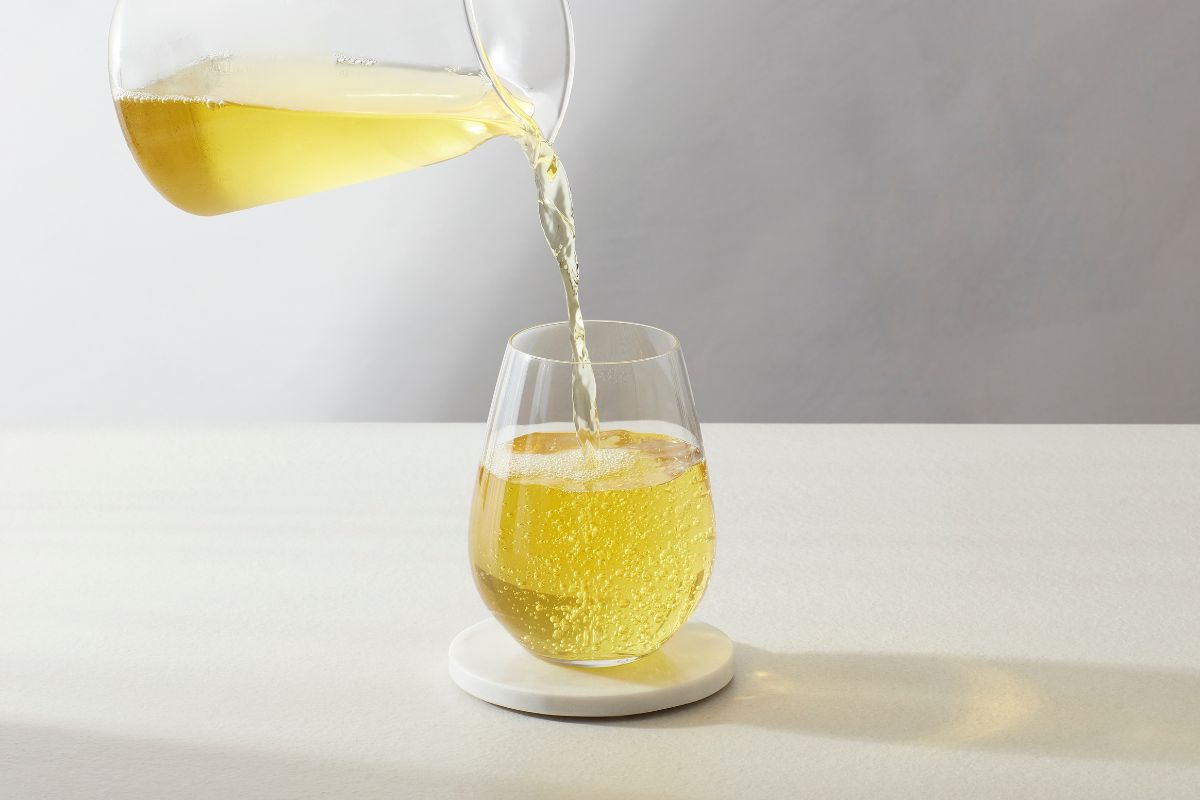
Milk Oolong
Oolong · Yunnan, China
10g per litre
4 hours in the fridge
Decant fully before serving
Serve in a rounded stemless glass
Milk Oolong sits at the greener end of oolong processing, which means it keeps its floral lift. The addition of milk, vanilla, and cream extracts during production sounds, on paper, like it might tip into sweetness. It does not. Cold-brewed, what comes through is vanilla first, then a full-bodied caramel roundness, then a clean finish that keeps the whole thing from feeling heavy.
This is the cold brew for someone who would otherwise reach for an iced latte. Pair it with fresh pineapple or an apple-based dessert. The fruit cuts through the vanilla.
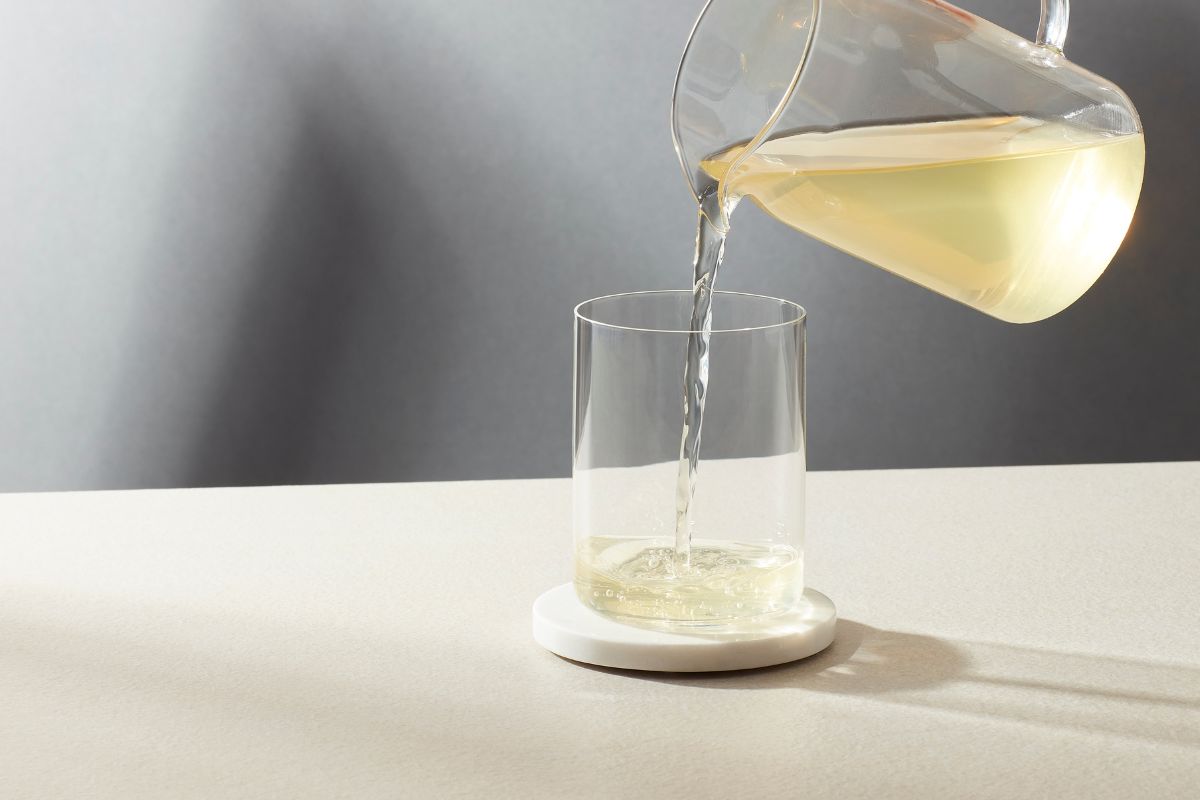
Organic White Peony Bai Mu Dan
White Tea
Wo Kan Shan, Yunnan, China
10g per litre
1 hour (or overnight depending on preference) in the fridge
Decant fully before serving
Serve in a straight-sided short glass
White tea is processed least of all: no oxidation, no roasting, no rolling. What you taste is almost entirely the leaf. Bai Mu Dan opens with bamboo and cucumber, cool and clean, and then a delicate jasmine note develops in the middle. Underneath runs a quiet earthiness that keeps the whole thing grounded.
This is the cold brew for first thing in the morning. Hydrating without being demanding. Drink it plain, before anything else.
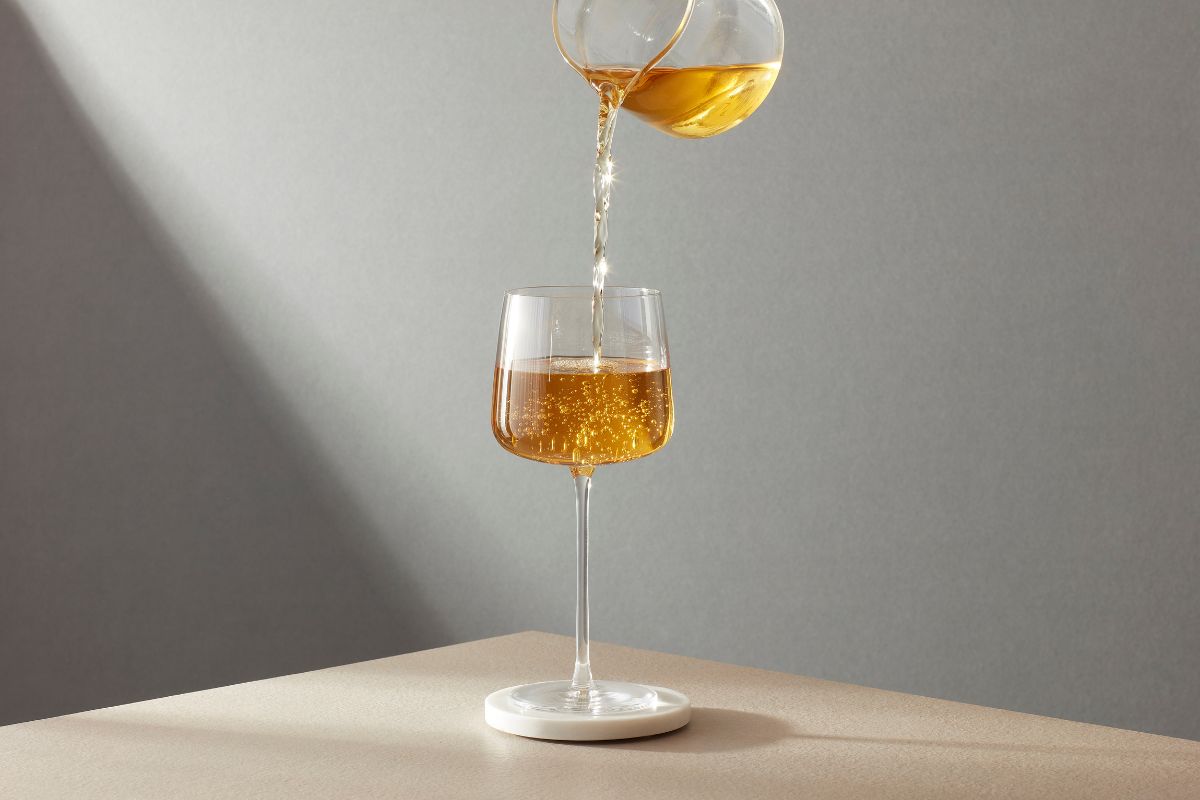
Smoky Lapsang Souchong
Black Tea
Fujian, China
10g per litre
2–4 hours in the fridge
Decant fully before serving
Serve in a red wine glass
Lapsang Souchong is smoked slowly over natural mountain pine. Hot, it can be polarising: the smoke dominates, and not everyone wants that. Cold water changes the negotiation. The smokiness softens into something quieter and longer, and the finish turns creamy in a way the hot version rarely achieves.
This is the cold brew to serve to someone who thinks they do not like Lapsang. Serve in a wine glass.
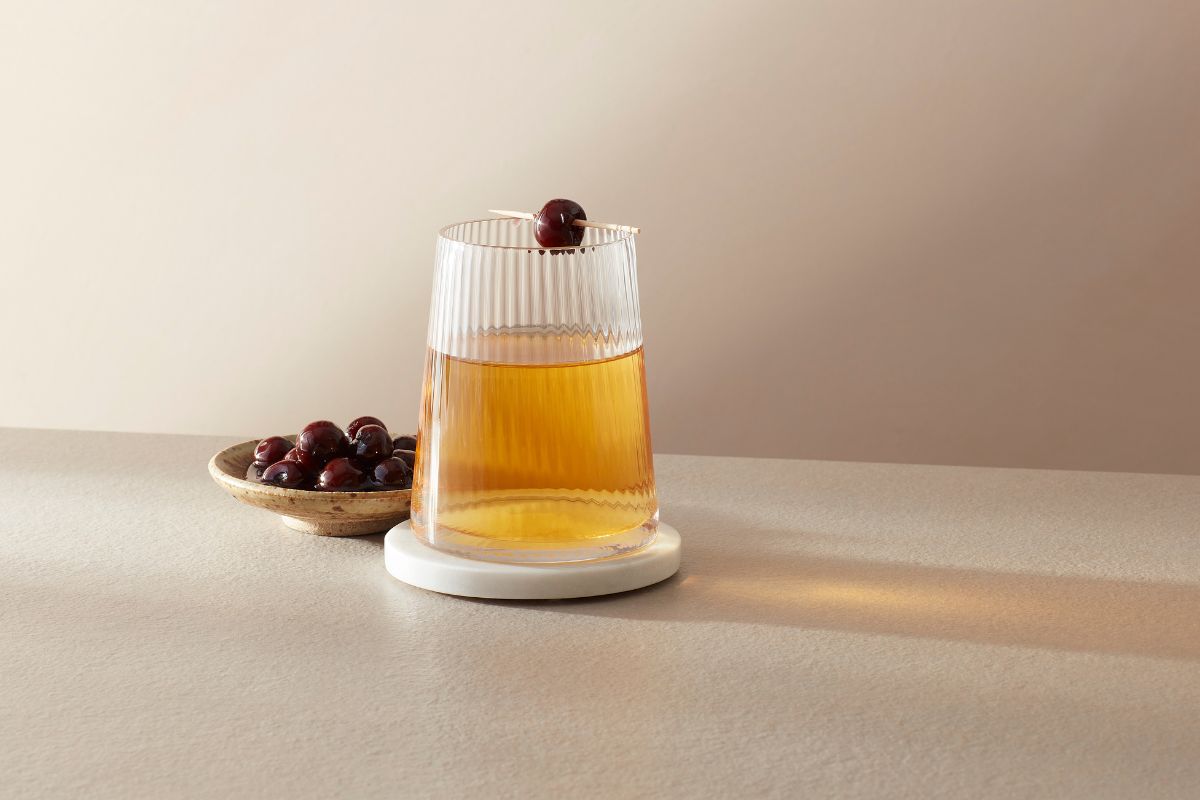
Wuyi Oolong
Oolong
Fujian, China
10g per litre
4 hours in the fridge
Decant fully before serving
Serve in a short whisky tumbler
Rock oolongs from the Wuyi mountains are heavily oxidised and roasted, which gives them their characteristic depth. Cold water brings out the dark-caramel sweetness first, then ripe plum, then a light floral note that arrives late and lingers. The dry leaves smell of cacao and stone fruit baked in brown sugar. The cold brew delivers on that promise.
This is the richest oolong on this list and the most forgiving to serve alongside food. Grilled stone fruit, or a good piece of aged cheese.
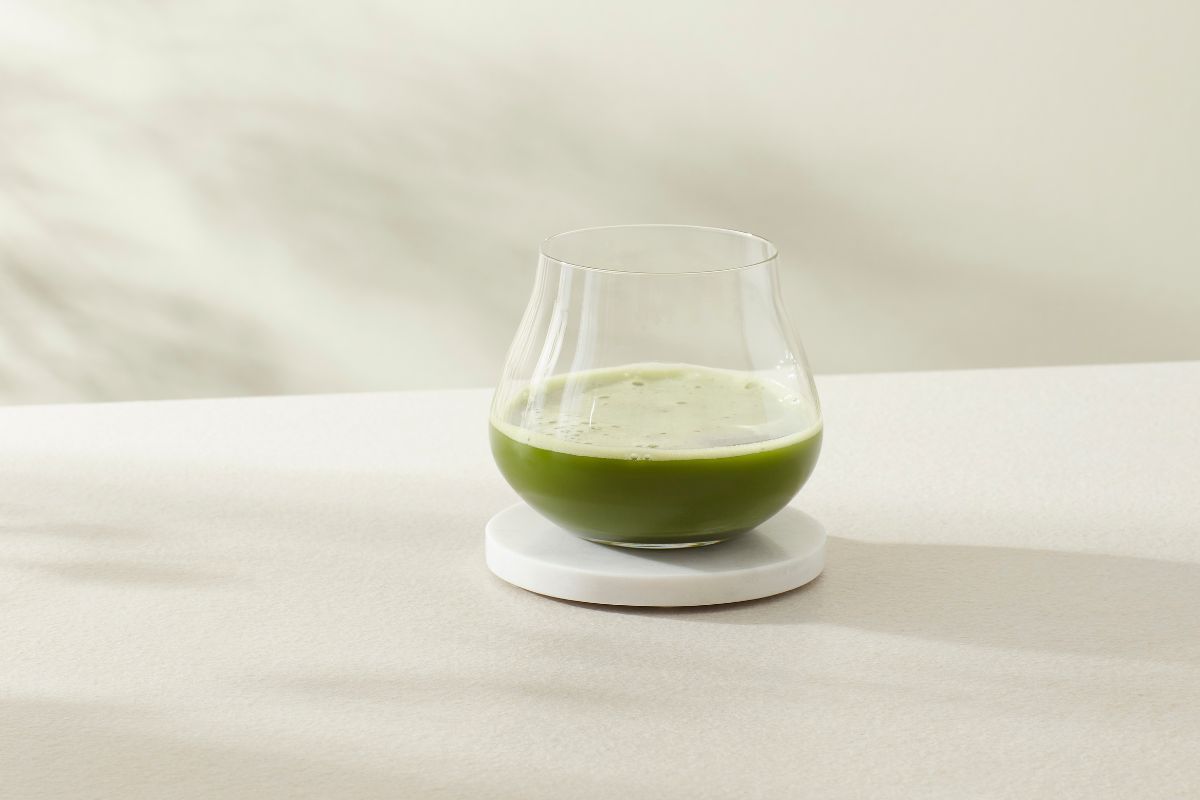
Matcha
Matcha
Yame, Japan
1g matcha
100ml room-temperature water
Sift, whisk to foam, pour over ice
Serve in a short rounded glass
Matcha is not cold-brewed in the way the other teas on this list are. It does not steep in water; it is suspended in it. Sift 1g through a fine sieve into a bowl, add 100ml of room-temperature water, and whisk in an M or W motion until a light foam forms. Pour that directly over a glass of ice.
The Yame-grown ceremonial grade used here blends leaves from two harvests: the first for sweetness, the second for structure. What arrives on ice is vegetal and bright at the front, slightly fuller in the middle, then a clean grassy finish. Drink it immediately, before the foam settles.
Want to get more content like this delivered straight to your inbox? Be sure to sign up for our emails. You’ll get free shipping if it’s your first purchase, too. Follow us on Instagram for more instant inspiration.
.png?w=2160&h=1440)
 All Rights Reserved. © AVANTCHA 2026